

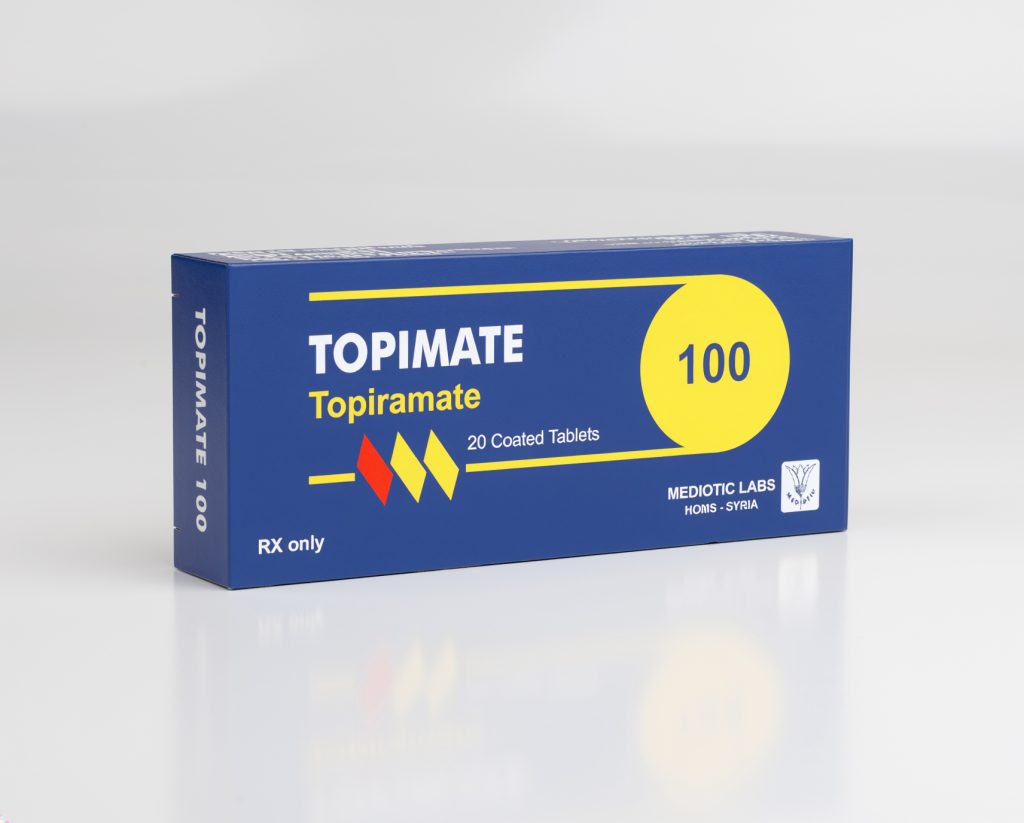
TOPIMATE 100
Composition : Topiramate 100mg
Pharmaceutical Forms : Tablets
Usage : Treatment of partial epilepsy
Mechanism of action and pharmacodynamics:
The precise mechanism by which topiramate exerts its antiseizure effect is unknown, however, electrophysiological and biochemical studies of the effects of topiramate on cultured neurons have revealed three properties that may contribute to topiramate’s antiepileptic efficacy.
First, sodium channel blocking action.
Second, Topiramate increases the frequency at which y-aminobutyrate (GABA) activates GABA A receptors, and enhances the ability of GABA to induce a flux of chloride ions into neurons, suggesting that topiramate potentiates the activity of this inhibitory neurotransmitter.
Third, topiramate antagonizes the ability of kainate to activate the: kainate/ AMPA a-amino-3-hydroxy-5-methylisoxazole-4-propionic acid non-NMDA subtype of excitatory amino acid (glutamate) receptor. These effects of topiramate are concentration-dependent within the range of 1 μM to 200 μM.
Pharmacokinetics:
Absorption of topiramate is rapid, with peak plasma
concentrations occurring at approximately 2 hours following a 400 mg oral dose.
The relative bioavailability of topiramate from the tablet formulation is about (80%) compared to a solution.
The mean plasma elimination half-life is 21 hours after single or multiple doses.
Steady state is reached in about 4 days in patients with normal renal function.
Topiramate is not extensively metabolized and is primarily eliminated unchanged in urine.
Indications:
TOPIMAT is indicated as adjunctive therapy for the treatment of adults with partial onset seizures.
Contraindications:
TOPIMAT is contraindicated in patients with a history of hypersensitivity to any component of this product.
Warnings:
Patients should be warned about the potential for somnolence, dizziness, confusion, and difficulty concentrating and advised not to drive or operate heavy machinery.
Antiepileptic drugs, including TOPIMAT,should be withdrawn gradually to minimize the potential of increased seizure frequency.
The elderly, people with diabetes, and those with impaired heart, liver or kidney function should be under close medical supervision while taking TOPIMAT and dosag e adjustment may be required for them.
An explanation for the association of TOPIMAT and kidney stones may lie in the fact that topiramate is a weak carbonic anhydrase inhibitor. Carbonic anhydrase inhibitors promote stone formation by reducing urinary citrate excretion and by increasing urinary pH, this can be avoided by increased fluid intake which increases the urinary output, lowering the concentration of substances involved in stone formation. TOPIMAT should be used during pregnancy only if the potential benefit outweighs the potential risk to the fetus.
Since many drugs are excreted in human milk and because the potential for serious adverse reactions in nursing infants to TOPIMAT are unknown, the potential benefit to the mother should be weighed against the potential risk to the infant.
Drug & food Interactions:
In a single-dose study, serum digoxin AUC was decreased by 12% in concomitant administration.
Because of the potential of topiramate to cause CNS
depression, as well as other cognitive and neuropsychiatric adverse events, topiramate should be used with extreme caution if used in combination with alcohol and other CNS depressants.
Concomitant use of topiramate, a weak carbonic anhydrase inhibitor, with other carbonic anhydrase inhibitors such as acetazolamide or dichlorphenamide may create a physiological environment that increases the risk of renal stone formation and should therefore be avoided.
Topiramate may decrease the effectiveness of oral
contraceptives, therefore, additional birth control measures may be needed to decrease the risk of pregnancy.
Carbamazepine and phenytoin may decrease the blood levels of topiramate, therefore, dose adjustment of either or both medicines may be needed.
Blood levels of topiramate and/or valproic acid may be
decreased, if used in concomitance. Dose adjustment of either or both medicines may be needed.
Side Effects:
The most commonly observed adverse events associated with the use of topiramate at dosages of 200 to 400 mg/ day, and did not appear to be dose-related, include:
somnolence, dizziness, ataxia, speech disorders, psychomotor slowing, nystagmus, headache, nausea, constipation, vomiting, skin rashes, and paresthesia.
The most common dose-related adverse events at dosages of 200 to 1000 mg/day include: fatigue, nervousness, difficulty with concentration or attention, confusion, depression, anorexia, language problems, anxiety, mood problems, cognitive problems, weight decrease, and tremor.
Dosage & Administration:
Suggested therapy begins with 50 mg daily, gradually increasing to 200-400 mg / daily.
Maximum recommended daily dose is 800 mg.
Adults: At first, 50 mg in two divided doses (two tablets of TOPIMAT 25 mg) a day is taken for the first week. The dose may be increased gradually every week if needed and
tolerated, but the usual dose is not greater than 400 mg a day in two divided doses.
Children (age 2 to16 years): At fist, 25 mg (one tablet of TOPIMAT 25 mg) nightly is taken for the first week. The dose may be increased gradually every 1 or 2 weeks about (1 – 3 mg/ kg) of body weight daily to be taken in two divided doses.
Overdosage & treatment :
In acute TOPIMAT (Topiramate) overdose, if the ig estion is recent, the stomach should be emptied immediately by lavage or by induction of emesis.
Treatment should be appropriately supportive.
Hemodialysis is an effective mean of removing topiramate from the body.
Storage:
Keep in a dry place below 30°C
– Keep out of reach of Children.
Presentation:
Carton box contains 2 blisters, each one contains 10 white coated tablets of TOPIMAT 25. Carton box contains 2 blisters, each one contains 10 yellow coated tablets of TOPIMAT 100. Carton box contains 2 blisters, each one contains 10 pink coated tablets of TOPIMAT 200
Related Products.
- New
Rebaglinide mediotic0.5 mg
- New
GILOBA
- New
PREVERSIL PLUS 4/10
- New
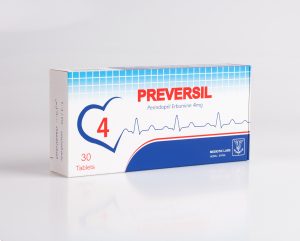
PREVERSIL 4
- New
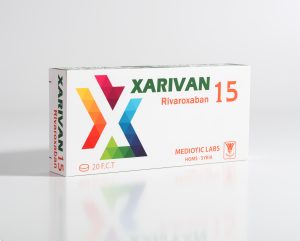
Xarivan 15
- New