

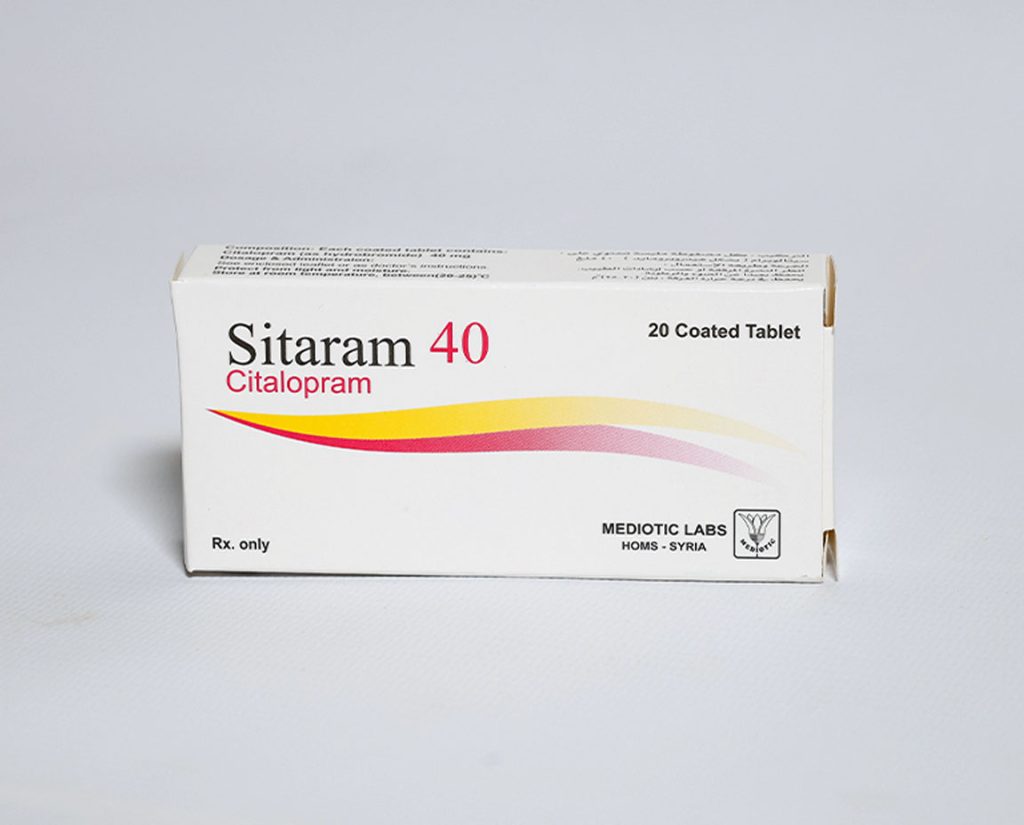
SITARAM 40
Composition : Citalopram HBr 40 mg
Pharmaceutical Forms : Tablets
Usage : Antidepressant
Adverse Reactions
Cardiovascular disorders: tachycardia and hypotension.
Central and peripheral nervous system disorders: migraine, paresthesia.
Gastrointestinal disorders: Saliva increased, flatulence.
Metabolic and Nutritional disorders: Decreased weight, or increased weight.
Psychiatric disorders: impaired concentration, amnesia, apathy, increased appetite, and confusion. Coughing, rash, pruritis, abnormal accommodation and polyuria.
Pharmacokinetics:
Biotransformation of Citalopram is mainly hepatic, with a mean terminal half-life of about 35 hours. With once daily dosing, steady state plasma concentrations are achieved within approximately one week.
At steady state, the extent of accumulation of citalopram in plasma, based on the half-life, is expected to be 2.5 times the plasma concentrations observed after a single dose.
Following a single oral dose of citalopram, peak blood levels occur at about 4 hours. The absolute bioavailability of citalopram was about 80% relative to an intravenous dose, and absorption is not affected by food.
The volume of distribution is about 12 L/Kg, and the binding to human plasma proteins is about 80%.
Citalopram is metabolized to demethylcitalopram (DCT), didemethylcitalopram (DDCT), Citalopram-N-oxide, and a deaminated propionic acid derivative.
In human, unchanged Citalopram is the predominant compound in plasma.
Dosage and administration:
Sitaram should be administered at an initial dose of 20 mg once daily, generally with an increase to a dose of 40 mg/day.
Dose increases should usually occur in increments of 20 mg at intervals of no less than one week. Doses above 40 mg are not ordinarily recommended.
The physician could increase the daily dose to 60mg in some special cases.
Sitaram should be administered once daily, in the morning or evening, with or without food.
20 mg/day is the recommended dose for most elderly patients and patients with hepatic impairment.
The efficacy of Sitaram in maintaining an antidepressant response for up to 24 weeks following 6 to 8 weeks of acute treatment was demonstrated. Nevertheless the physician who elects to use Sitaram for extended periods should periodically re-evaluate the long-term use fullness of the drug for the individual patient.
Over Dosage:
Establish and maintain an airway to ensure adequate ventilation and oxygenation.
Gastric evacuation by lavage and use of activated charcoal should be considered.
Careful observation and cardiac and vital sign monitoring are recommended. Presentation:
Each box of Sitaram 20 contains 20 pink film-coated tablets.
Each box of Sitaram 40 contains 20 white film-coated tablets.
Related Products.
- New
PREVERSIL 4
- New
MEDIOPAN PLUS
- New
ACECLOTIC
- New
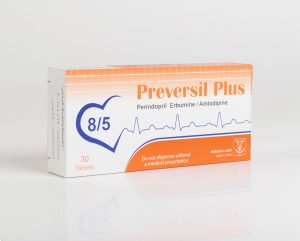
PREVERSIL PLUS8/5
- New
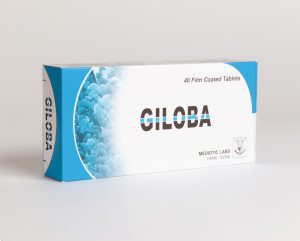
GILOBA
- New