

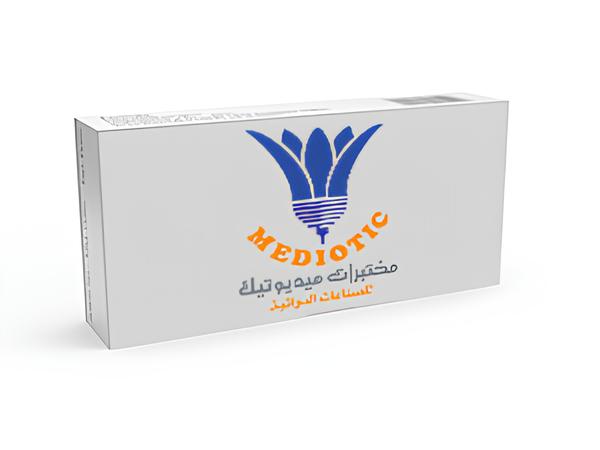
MEDIOPAN PLUS
Composition : Paracetamol 500 mg+ Hyoscine Butylbromide 10 mg
Pharmaceutical Forms : Tablets
Usage : Analgesic + digestive antispasmodic
10 mg (Hyoscine-N- Butylbromide), 500 mg paracetamol (film-coated tablets) 10 mg (Hyoscine-N- Butylbromide), 800 mg paracetamol (suppositories) 7.5 mg (Hyoscine-N- Butylbromide), 250 mg paracetamol (suppositories)
COMPOSITION & EXCIPIENTS:
Each MEDIOPAN PLUS film-coated tablet contains:
10 mg (Hyoscine-N- Butylbromide), 500 mg Paracetamol.
Each MEDIOPAN PLUS Children suppository (1 g) contains:
7.5 mg Hyoscine Butyl Bromide, 250 mg Paracetamol.
Each MEDIOPAN PLUS Adults suppository (2 g) contains:
10 mg Hyoscine Butyl Bromide, 800 mg Paracetamol. Excipients:
Film coated tablets:
Core: Starch, Magnesium Stearate, Microcrystalline Cellulose.
Film: PEG, Hydroxy Propyl Methyl Cellulose.
Suppositories: Aerosil, Hydrogenated Vegetable Oil.
MECHANISM OF ACTION:
(Hyoscine-N- Butylbromide) acts spasmolytically on the smooth musculature of the gastrointestinal tract, the bile and discharge urinary tract, and the female genital organs. The peripheral anticholinergic effects are due both to the ganglion blockade in the visceral wall and to anti- muscarinic effects.
In addition to a very weak anti-inflammatory effect, paracetamol has analgesic and antipyretic properties. PHARMACOKINETICS PROPERTIES:
(Hyoscine-N- Butylbromide):
Absorption: (Hyoscine-N- Butylbromide) only partly absorbed due to the strong polar properties of this quaternary ammonium compound and the low lipid solubility resulting from after oral (8%) or rectal (3%) administration. Distribution: The plasma protein binding is 4.4%.
Biotransformation and elimination: Butylbromide mainly metabolized by hydrolytic cleavage of the ester bond. Orally applied (Hyoscine-N- Butylbromide) precipitated via faeces and urine. Approximately 90% of the radioactivity was found in the faeces after oral administration; in the urine, up to 5% of the radioactivity was found depending on the type of application. Paracetamol:
Absorption: After oral administration, paracetamol is absorbed rapidly and almost completely in the small intestine. Maximum plasma concentrations are reached 0.5 – 2 hours after administration.
After rectal administration, paracetamol is absorbed with an absolute bioavailability of about 30% to 40%; maximum plasma concentrations are reached after 1.3-3.5 hours.
Distribution: Paracetamol spreads rapidly in all tissues. The plasma protein binding is low (between 5% and 20%).
Biotransformation: Paracetamol is primarily metabolized in the liver.
Elimination: Excretion is predominantly in the urine. The elimination half-life is about two hours.
Renal insufficiency: In severe renal insufficiency (creatinine clearance <10 ml / min) the excretion of paracetamol and its metabolites is delayed.
INDICATIONS:
For patients with convulsive pain in the stomach and intestine disorders, convulsive pain and dysfunction in the area of the bile ducts, the urinary tract and the female genital organs (e.g. dysmenorrhea).
CONTRAINDICATIONS:
- Hypersensitivity to the active substances or to any of the excipients
- Mechanical stenosis of the gastrointestinal tract Megacolon Urinary retention in subvesical obstruction (e.g. prostate adenoma)
- Angular glaucoma
- Tachycardia and tachyarrhythmia
- Myasthenia gravis
- Severe hepatic insufficiency (Child-Pugh C)
WARNINGS AND PRECAUTIONS:
A physician should be consulted immediately if severe abdominal pain persists or worsens or occurs together with symptoms such as fever, nausea, vomiting, and changes in intestinal motility, abdominal (pressure) sensitivity, blood pressure drop, fainting, or blood in the stool.
In order to avoid the risk of overdosing, it should be ensured that concurrent use of other medicinal products does not contain paracetamol.
This drug should be used with caution in the following cases: Hepatocellular insufficiency (Child-Pugh A/B)
Hepatic dysfunction (e.g. due to chronic alcohol abuse, hepatitis) Serious renal insufficiency (creatinine clearance <10 ml / min) Gilbert syndrome (Meulengracht disease) glucose-6-phosphate dehydrogenase deficiency In case of high fever, signs of secondary infection, or persisting symptoms for more than 3 days, the doctor must be consulted.
The doctor should be consulted if the pain persists or worsens, new symptoms are observed, or redness or swelling occurs, as this may be an indication of serious adverse reactions.
Blood count, liver and kidney function should be monitored during prolonged use.
- Severe acute hypersensitivity reactions, Such as anaphylactic shock, have been observed very rarely. At the first signs of hypersensitivity reaction, treatment with this drug must be discontinued.
- In the case of prolonged high-dose, inappropriate use of analgesics, headaches may occur which should not be treated by increased doses of the drug.
Abrupt discontinuation after prolonged high-dose may cause headache, fatigue, muscle pain, nervousness, and vegetative symptoms. The symptom of withdrawal sounds within a few days. Until then, the recovery of painkillers should be omitted, and re-ingestion should not take place without medical advice.
Pregnancy:
There are no adequate data on the use of this drug in pregnant women. It is not known whether (Hyoscine-N- Butylbromide) passes the placenta, so that pharmacological effects on the fetus are possible. Therefore, the use of this drug during pregnancy is therefore not recommended.
Related Products.
- New
SPERIL
- New
PREVERSIL PLUS 8/10
- New
LOVALIPO 1
- New
Xarivan 15
- New
RABAZOL
- New