

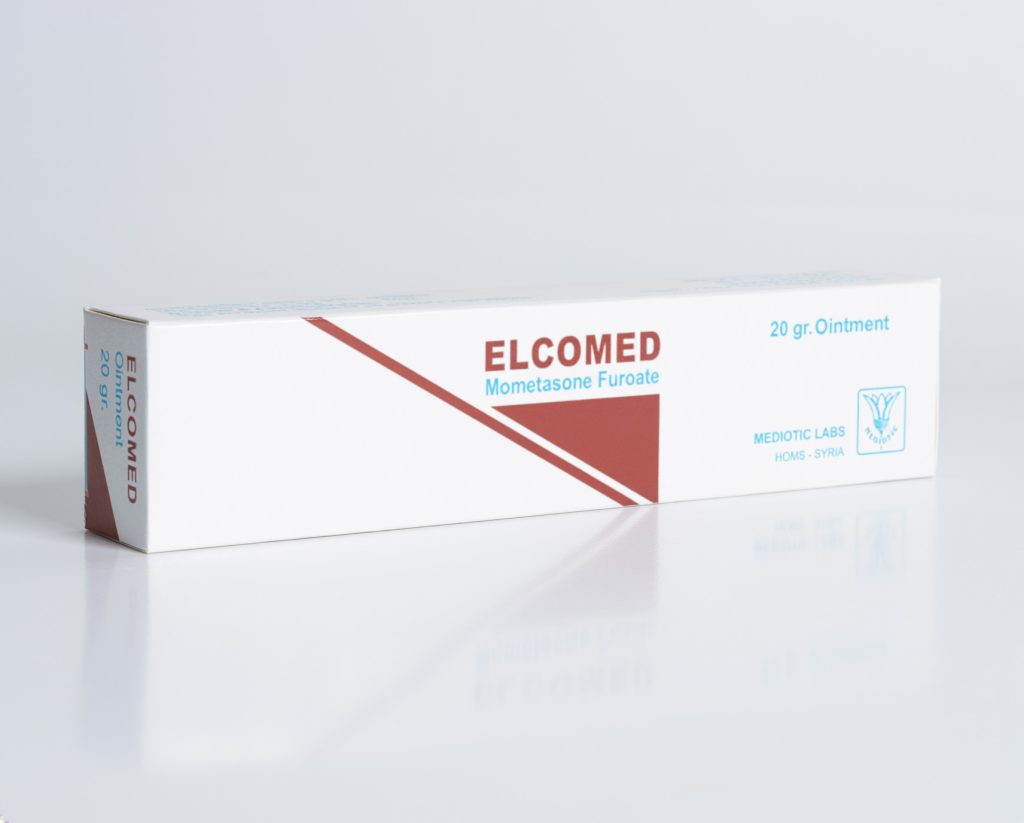
ELCOMED
Composition : Mometasone Furoate 0.1%
Pharmaceutical Forms : Cream, Ointment & Gel
Usage : Anti-inflammatory steroid for treating skin infections (eczema and psoriasis) and treating itching
Excipient:
Cream: Ethanol, Propylene Glycol, Hard Paraffin, Glyceryl Monostearate, Vaseline, Cetostearyl Alcohol, Emulgin B2, Deionized water.
Ointment: Ethanol, Propylene Glycol, Hard Paraffin, Glyceryl Monostearate, Vaseline, Cetostearyl Alcohol, Emulgin B2, Tween, Deionized water.
Lotion: Isopropyl Alcohol, Propylene Glycol, Sodium Dihydrogen Phosphate, Povidone, Deionized Water. PROPERTIES:
ELCOMED exhibits marked anti-inflammatory and anti-psoriatic activity in standard animal predictive models.
PHARMACOKINETICS:
Pharmacokinetic studies have indicated that systemic absorption following topical application of ELCOMED as ointment or cream 0.1% is minimal, approximately 0.4% of the applied dose in man, the majority of which is excreted within 72 hours following application.
INDICATIONS:
Cream and ointment: ELCOMED is indicated for treatment of inflammatory and pruritic manifestations of psoriasis (excluding widespread plaque psoriasis) and atopic dermatitis.
Lotion: ELCOMED is indicated for the treatment of inflammatory and pruritic manifestations of psoriasis and seborrhoeic dermatitis of the scalp.
CONTRAINDICATIONS:
ELCOMED is contraindicated in:
- Facial rosacea, acne vulgaris, skin atrophy, perioral dermatitis, perianal and genital pruritis, napkin eruptions, bacterial (e.g. impetigo, pyodermas), viral (e.g. herpes simplex, herpes zoster and chickenpox, verrucae vulgares, condylomata acuminata, molluscum contagiosum), parasitical and fungal (e.g. candida or dermatophyte) infections, varicella, tuberculosis, syphilis or post-vaccine reactions.
- Wounds or skin which is ulcerated.
- In patients who are sensitive to mometasone furoate or to other corticosteroids or to any of the ingredients in this medicine.
WARNINGS and PRECAUTIONS:
- If irritation or sensitization develops, treatment should be withdrawn and appropriate therapy instituted. • If a skin infection developed, an appropriate antifungal or antibacterial agent should be used. If a favorable response does not occur promptly, the corticosteroid should be discontinued until the infection is adequately controlled.
- Systemic absorption of topical corticosteroids can produce reversible hypothalamic-pituitary-adrenal (HPA) axis suppression with the potential for glucocorticosteroid insufficiency after withdrawal of treatment. Manifestations of Cushing’s syndrome, hyperglycemia, and glucosuria can also be produced in some patients by systemic absorption of topical corticosteroids while on treatment. Patients applying a topical steroid to a large surface area or areas under occlusion should be evaluated periodically for evidence of HPA axis suppression.
- Any of the side effects that are reported following systemic use of corticosteroids, including adrenal suppression, may also occur with topical corticosteroids, especially in infants and children.
- Pediatric patients may be more susceptible to systemic toxicity from equivalent doses due to their larger skin surface to body mass ratios. As the safety and efficacy of mometasone furoate is indicated in pediatric patients below 2 years of age have not been established, its use in this age group is not recommended.
- Local and systemic toxicity is common especially following long continued application on large areas of damaged skin, in flexures and with polythene occlusion. If used in childhood, or on the face, occlusion should not be used. If used on the face, courses should be limited to 5 days and occlusion should not be used.
- Topical steroids may be hazardous in psoriasis for a number of reasons including rebound relapses following development of tolerance, risk of centralized pustular psoriasis and development of local or systemic toxicity due to impaired barrier function of the skin. If used in psoriasis careful patient supervision is important.
- As with all potent topical glucocorticoids, sudden discontinuation of treatment should be avoided. When long term topical treatment with potent glucocorticoids is stopped, a rebound phenomenon can develop which takes the form of dermatitis with intense redness, stinging and burning. This can be prevented by slow reduction of the treatment, for instance continues treatment on an intermittent basis before discontinuing treatment.
-
- Glucocorticoids can change the appearance of some lesions and make it difficult to establish an adequate diagnosis and can also delay the healing.
- Mometasone furoate topical preparations are not for ophthalmic use, including the eyelids, because of the very rare risk of glaucoma simplex or subcapsular cataract.
Pregnancy:
During pregnancy and lactation, treatment with mometasone furoate should be performed only on the physician’s order. Then however, the application on large body surface areas or over a prolonged period should be avoided. As with all topically applied glucocorticoids, the possibility that fetal growth may be affected by glucocorticoid passage through the placental barrier should be considered. Mometasone furoate should be used in pregnant women only if the potential benefit justifies the potential risk to the mother or the fetus. Lactation:
It is not known whether topical administration of corticosteroids could result in sufficient systemic absorption to produce detectable quantities in breast milk. Mometasone furoate should be administered to nursing mothers only after careful consideration of the benefit/risk relationship. If treatment with higher doses or long-term application is indicated, breast-feeding should be discontinued.
SIDE EFFECTS:
⚫ side effects occur in very rare frequency: burning sensation, Pruritus
⚫ side effects occur in not known frequency Infection, furuncle, Paraesthesia, Dermatitis contact, skin hypopigmentation, hypertrichosis, skin striae, dermatitis acneiform, skin atrophy, Application site pain, application site reactions.
- Local adverse reactions reported infrequently with topical dermatalogic corticosteroids include: skin dryness, irritation, dermatitis, perioral dermatitis, maceration of the skin, miliaria and telangiectasiae.
- Pediatric patients: Pediatric patients may demonstrate greater susceptibility to topical corticosteroid induced hypothalamic-pituitary-adrenal axis suppression and Cushing’s syndrome than mature patients because of a larger skin surface area to body weight ratio. Chronic corticosteroids therapy may interfere with the growth and development of children.
DOSAGE AND ADMINISTRATION:
- Cream and ointment:
Adults, including elderly patients and Children: A thin film should be applied to the affected areas of skin once daily. Use of a weaker corticosteroid is often advisable when there is a clinical improvement.
Use of topical corticosteroids in the children aged 6 years and over or on the face should be limited to the least amount compatible with an effective therapeutic regimen and duration of treatment should be no more than 5 days.
Children below 6 years: Mometasone Furoate is not recommended for use due to insufficient data on safety.
- Lotion:
Adults, including elderly patients and Children: A few drops should be applied to affected scalp sites, once daily; massage gently and thoroughly until the medication disappears.
Use of topical corticosteroids in children should be limited to the least amount compatible with an effective therapeutic regimen and duration of treatment should be no more than 5 days.
OVERDOSE:
Excessive, prolonged use of topical corticosteroids can suppress hypothalamic-pituitary-adrenal function resulting in secondary adrenal insufficiency which is usually reversible.
STORAGE CONDITIONS:
Store at room temperature, between (15-30)°C.
Keep out of reach of children.
PACKAGING:
Cream: Aluminum tube contains 20 gr. ELCOMED cream/carton box.
Ointment: Aluminum tube contains 20 gr. ELCOMED ointment/carton box.
Lotion: Plastic bottle contains 30 mL ELCOMED lotion/carton box.
Related Products.
- New
TETRADERM
- New
NYSTAMETHASONE
- New
RHEUMATISM-STOP
- New
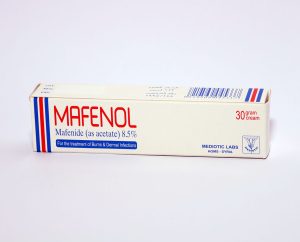
MAFENOL
- New
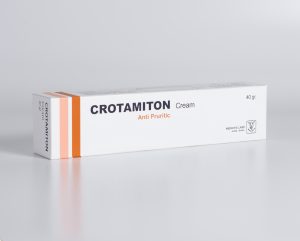
CROTAMITON
- New