MENU

IMOCINE

WARNING: TORSADES DE POINTES AND SUDDEN DEATH

  • Cases of Torsades de Pointes, cardiac arrest, and death have been reported with the use of a higher than recommended dosage of Imocine capsules.
  • Imocine are contraindicated in pediatric patients less than 4 years of age.
  • Avoid imocine capsules dosages higher than recommended in adults and pediatric patients.

4 years of age and older due to the risk of serious cardiac adverse reactions.

MECHANISM OF ACTION:

In vitro and animal studies show that Loperamide act by slowing intestinal motility and by affecting water and electrolyte movement through the bowel. Loperamide prolongs the transit time of the intestinal contents. It reduces the daily fecal volume, increases the viscosity and bulk density, and diminishes the loss of fluid and electrolytes. PHARMACOKINETICS:

Plasma levels of unchanged drug remain below 2 nanograms per mL after the intake of a 2 mg Loperamide capsule .Plasma Loperamide concentrations are highest approximately 5 hours after administration of the capsule. The peak plasma concentrations of Loperamide were similar for both formulations. The apparent elimination half-life Loperamide in man is about 11 hours with a range of (9-14) hours. The plasma protein binding of Loperamide is about 95%.Elimination of Loperamide mainly occurs by oxidative N-demethylation. Imocine is metabolized mainly by cytochrome P450 (CYP450) isoenzymes. Excretion of the unchanged Loperamide and its metabolites mainly occurs through the feces.

INDICATIONS:

Imocine are indicated for the control and symptomatic relief of acute nonspecific diarrhea in patients 4 years of age and older and of chronic diarrhea in adults associated with inflammatory bowel disease. Imocine are also indicated for reducing the volume of discharge from ileostomies.

CONTRAINDICATIONS:

Pediatric patients less than 4 years of age.

Patients with a known hypersensitivity to Imocine or to any of the excipients.

Patients with abdominal pain in the absence of diarrhea.

Patients with acute dysentery, which is characterized by blood in stools and high fever.

Patients with acute ulcerative colitis.

Patients with bacterial enterocolitis caused by invasive organisms including Salmonella, Shigella, and Campylobacter.

Patients with pseudomembranous colitis (e.g. Clostridium difficle) associated with the use of broad-spectrum antibiotics.

WARNINGS & PRECAUTIONS:

  • The use of Imocine does not preclude the need for appropriate fluid and electrolyte therapy in patients who have diarrhea especially young children.
  • Imocine must be discontinued promptly when constipation, abdominal distention or ileus develop.
  • Treatment of diarrhea with Imocine is only symptomatic. Whenever an underlying etiology can be determined, specific treatment should be given when appropriate (or when indicated).
  • Imocine should be used with special caution in young children because of the greater variability of response in this age group. Dehydration, particularly in younger children, may further influence the variability of response to imocine.
  • Extremely rare allergic reactions including anaphylaxis and anaphylactic shock have been reported.
  • In acute diarrhea, if clinical improvement is not observed in 48 hours, the administration of Imocine should be discontinued and patients should be advised to consult their physician.
  • Patients with AIDS treated with Imocine capsules for diarrhea should have therapy stopped at the earliest signs of abdominal distention. There have been isolated reports of toxic megacolon in AIDS patients with infectious colitis from both viral and bacterial pathogens treated with Imocine.
  • Cardiac events including QT prolongation and torsades de pointes have been reported in association with overdose.
  •  Imocine should not be used when inhibition of peristalsis is to be avoided due to the possible risk of significant sequelae including ileus, megacolon and toxic megacolon. Imocine must be discontinued promptly when constipation, abdominal distention or ileus develop.

Hepatic Impairment: Imocine should be used with caution in patients with hepatic impairment, because of reduced first pass metabolism.

Renal Impairment: dosage adjustments in patients with renal impairment are not required

Pregnancy (Category C):

Imocineshould be used during pregnancy only if the potential benefit justifies the potential risk to the fetus. It is not advisable to administer IMOCINE in pregnancy, especially during the first trimester.

Nursing Mothers Small amounts of imocine may appear in human breast milk. Therefore, Imocine is not recommended during breast-feeding.

Effects on ability to drive and use machines:

Loss of consciousness, depressed level of consciousness, tiredness, dizziness, or drowsiness may occur when diarrhea is treated with Loperamide. Therefore, it is advisable to use caution when driving a car or operating machinery.

DRUG INTERACTIONS:

Concomitant use of Imocine capsules with inhibitors of CYP3A4 (e.g., itraconazole) or CYP2C8 (e.g., gemfibrozil) or inhibitors of P-glycoprotein (e.g., quinidine, ritonavir) can increase exposure to Loperamide. The increased systemic exposure to Imocinemay increase a risk for cardiac adverse reactions especially in patients who are taking multiple CYP enzyme inhibitors, or in patients with underlying cardiac conditions. Monitor patients for cardiac adverse

reactions.

When imocine capsules are given with saquinavir, the therapeutic efficacy of saquinavir should be closely monitored. Combination with others drugs or herbal products that are known to prolong the QT interval, including:

Class 1A (e.g., quinidine, procainamide) or Class III (e.g., amiodarone, sotalol)

Antiarrhythmic, antipsychotics (e.g., chlorpromazine, haloperidol, thioridazine, ziprasidone),

Antibiotics (e.g., moxifloxacin), or any other drug known to prolong the QT interval (e.g., pentamidine, levomethadyl acetate, methadone) should be avoided.

SIDE EFFECTS:

The most common side effects: Headache, Dizziness, Constipation, Nausea, Flatulence.

Uncommon: Somnolence, Abdominal pain, abdominal discomfort, Dry mouth, Abdominal pain upper, Vomiting, Dyspepsia, rash.

DOSAGE & ADMINISTRATION:

Patients should receive appropriate fluid and electrolyte replacement as needed.

  1. Acute Diarrhea:

Adults: The recommended initial dose is 4 mg (two capsules) followed by 2 mg (one capsule) after each unformed stool. Daily dosage should not exceed 16 mg (eight capsules). Clinical improvement is usually observed within 48 hours.

Children: For children 4 to 12 years of age, the following schedule for capsules will usually fulfill initial dosage requirements.

Recommended First Day Dosage Schedule:

4 to five years (15 to 20 kg): 1 mg t.i.d. (3 mg daily dose).

Six to eight years (20 to 30 kg): 2 mg b.i.d. (4 mg daily dose).

Eight to twelve years (greater than 30 kg): 2 mg t.i.d. (6 mg daily dose).

Recommended Subsequent Daily Dosage:

Following the first treatment day, it is recommended that subsequent Imocine doses (1 mg/10 kg body weight) be administered only after a loose stool. Total daily dosage should not exceed recommended dosages for the first day. Children under 4 Years: The use of Imocine in children under 4 years is not recommended.

  1. Chronic Diarrhea:

Adults: The recommended initial dose is 4 mg (two capsules) followed by 2 mg (one capsule) after each unformed stool until diarrhea is controlled, after which the dosage of Imocine capsules should be reduced to meet individual requirements. When the optimal daily dosage has been established, this amount may then be administered as a single dose or in divided doses

Children Under 4 Years: The use of Imocine in children under 4 years is not recommended. OVERDOSE:

Symptoms: In cases of overdose, (including relative overdose due to hepatic dysfunction), urinary retention, paralytic ileus and CNS depression may occur. Children may be more sensitive to CNS effects than adults.

In individuals who have ingested overdoses of Imocine HCI, cardiac events such as QT interval prolongation, torsades de pointes, other serious ventricular arrhythmias, cardiac arrest and syncope have been observed .Fatal cases have also been reported.

Treatment: If symptoms of overdose occur, naloxone can be given as an antidote. Since the duration of action of imocineis longer than that of naloxone (1 to 3 hours), repeated treatment with naloxone might be indicated. Therefore, the patient should be monitored closely for at least 48 hours in order to detect possible CNS depression.

PACKAGING:

1 blister contains 10 Imocine capsules/carton box.

STORAGE CONDITIONS:

Store in cool and dry place below 25 °C. – Keep out of reach of children.

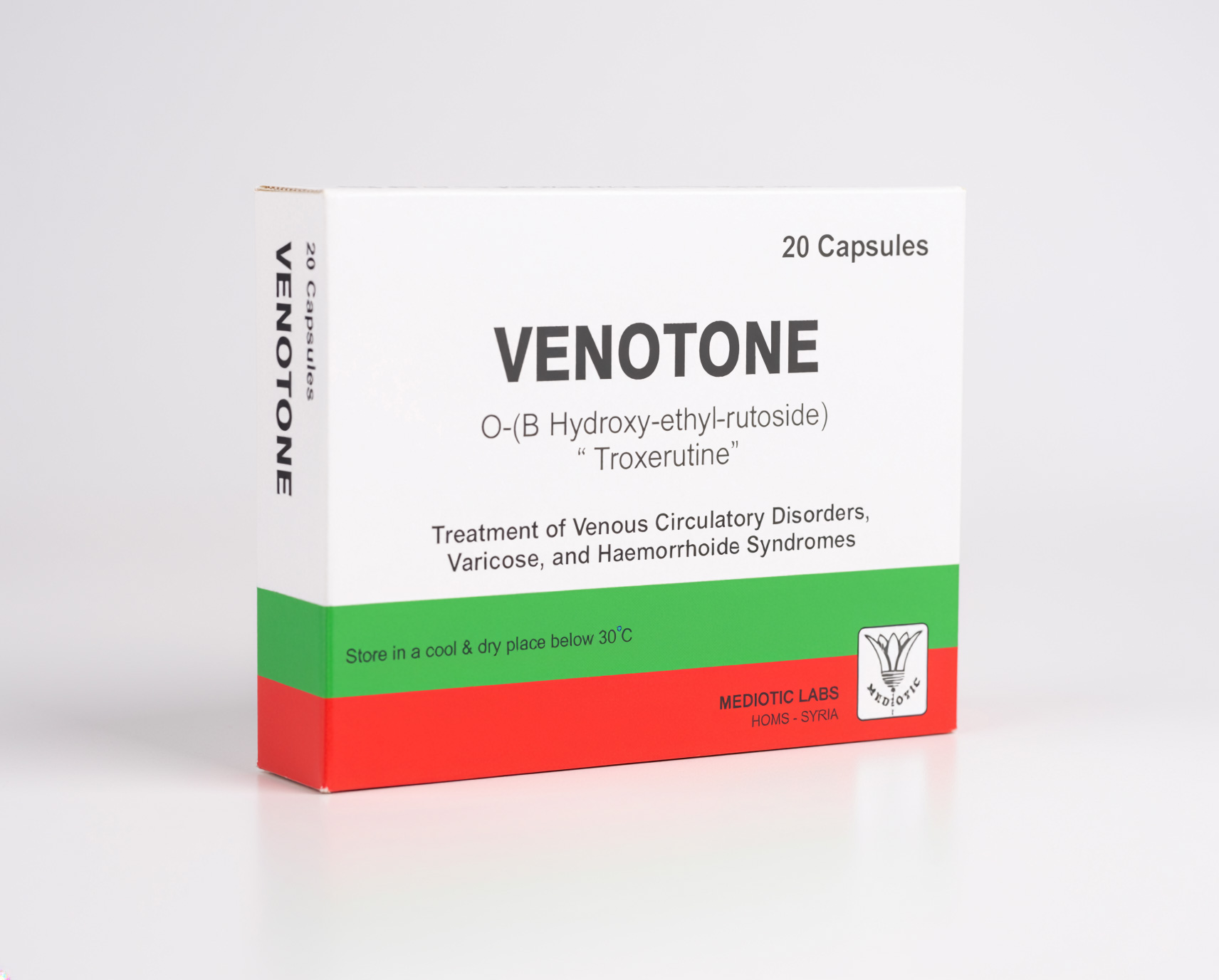
VENOTON

Indications:

  • All forms of acute internal and external hemorrhoids.
  • Varicoses and hemorrhoids in pregnancy.
  • Pre and post operation to accelerate wound healing.

Simple anal fissures and anal pruritus.

  • Varicoses and prevaricose conditions.
  • Superficial thrombophlebitis and post phlebitic states.
  • Varicose ulcers, varicose dermatitis and trophic disorders resulting from chronic venous insufficiency.
  • Adjuvant to sclerotherapy and stripping of varicose veins.

Tingling of the leg at night and on walking. (Restlessness legs syndrome).. • Venous disorders due to trauma.

  • Night muscular cramps

Contraindications:

None known (Venoton is well tolerated).

Side effects:

Side effects are very rare, dermal allergy, and digestive disorders.

Dosage & Administration:

Take (2-3) capsules daily, with meals, for (2 – 4) weaks, then 1 capsule daily for another

(2-4) weaks.

Presentation:

2 blisters each one contians 10 Venoton capsules/carton box. 3 blisters each one contians 10 Venoton capsules / carton box.

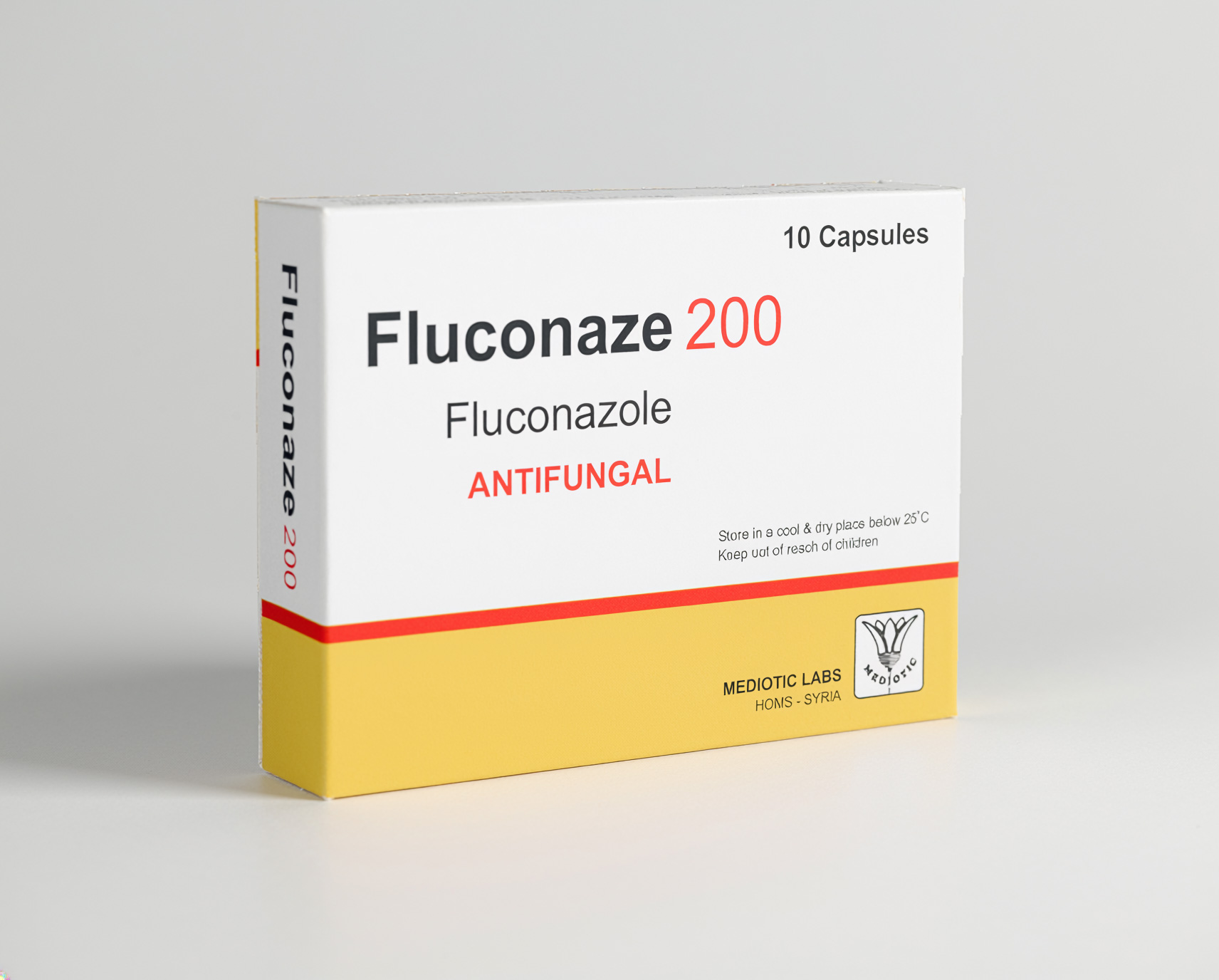
FLUCONAZE 200

Properties:

Fluconaze 50 50mg/ Capsule

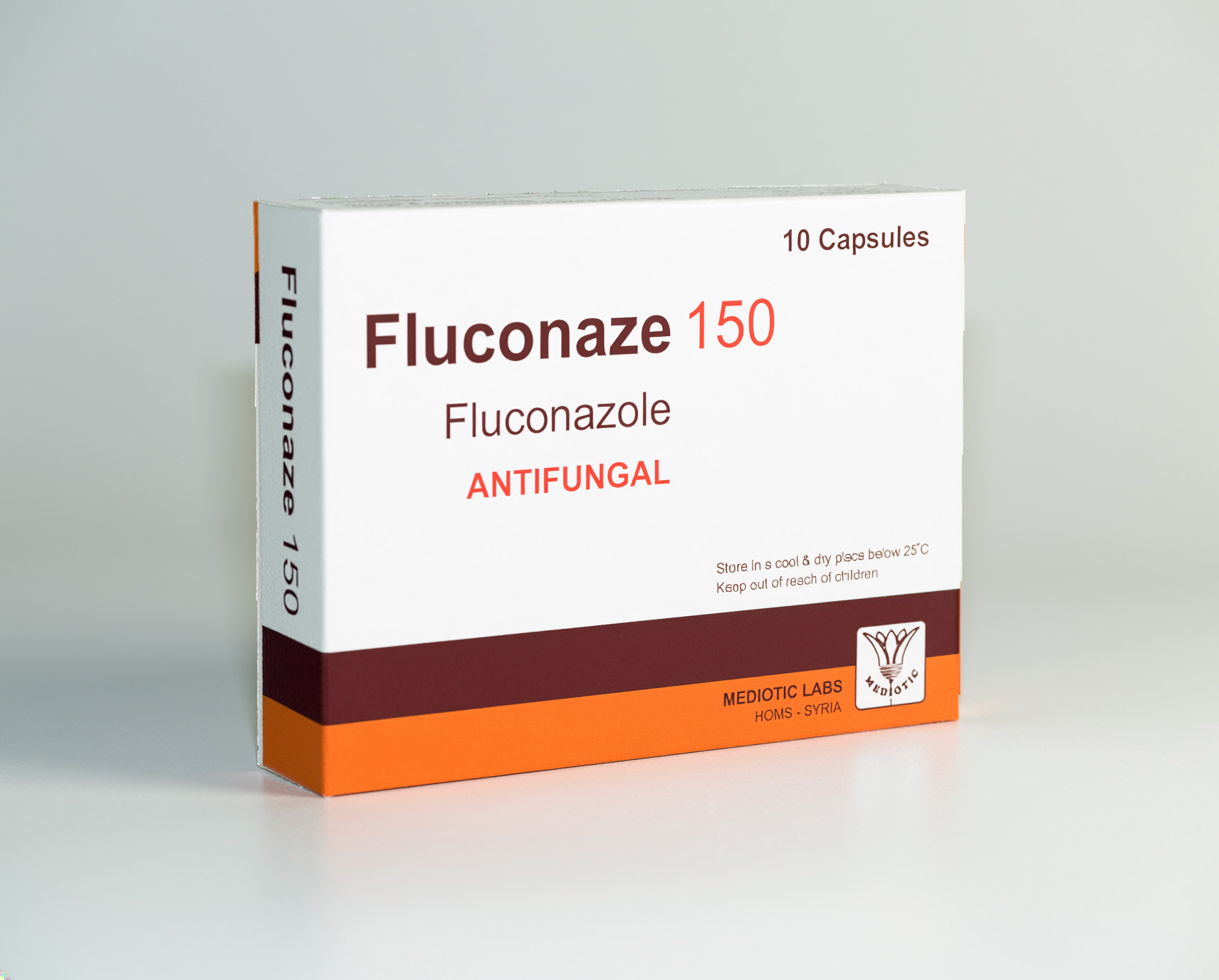
Fluconaze 150 150mg/ Capsule

Fluconaze 200 200mg/ Capsule

Fluconaze is a selective broad spectrum bis-triazole anti-fungal drug; it inhibits fungal cytochrome P-450 and prevents ergosterol synthesis.

Indications:

Fluconaze is used in the treatment of:

Oropharyngeal and esophageal candidiasis.

Systemic candidal infections including peritonitis, pneumonia and vaginal candidiasis. Cryptococcal meningitis.

It is used for the prophylaxis of fungal infection in immune-compromised patients such as AIDS patients.

Contraindications:

Hypersensitivity to fluconazole or to any derivatives. There is no information regarding cross hypersensitivity between fluconazole and other antifungal agents.

Side effects:

Nausea, vomiting, diarrhea, headache, skin rash, abdominal pain, and elevated liver function values. Drug interactions:

Cimitidine and rifampicin decrease serum concentrations of Fluconaze.

Fluconaze may interfere with oral contraceptive drugs.

Fluconaze increases the serum concentration of oral antidiabetes drugs, causing low blood sugar, so blood glucose concentrations should be monitored and the dose should be adjusted as necessary.

Fluconaze increases prothrombin time after receiving warfarin, so prothrombin time should be monitored especially in patients receiving coummarin-type anticoagulants. Fluconaze increases serum concentrations of pheytion, cyclosporin, and theophyllin. Precautions:

In rare cases, anaphylaxis has been reported.

Hepatic injury patients who develop abnormal liver function tests during Fluconaze therapy should be monitored for the development of more sever hepatic injury, Fluconaze should be discontinued if clinical symptoms of liver diseases has been developed.

Closely monitor immune compromised patients (espeully AIDS patients) who develop rashes and discontinue the drug if lesions progress.

Pregnancy: there is no adequate controlled studies in pregnant woman, tell your doctor if

you are pregnant or thinking of becoming pregnant.

Lactation: Fluconaze passes into breast milk, so avoid it during lactation.

Dosage & Administration:

The dose of Fluconaze depends on the type of fung and on the paiteint response to therapy, treatment should be continued until clinical and laboratory parameters subside.

The recommended dosage of Fluconaze for:

Oropharyngeal and esophageal candidiasis is 200mg on the first day, followed by 100mg once daily, treatment should be continued for at least 2 weeks, followed by further two weeks treatment after healing.

Vaginal candidiasis: 150mg daily, as a single dose.

Systemic candidiasis: 400mg on the first day, followed by 200mg daily for 28 days at least, followed by further 2 week treatment after healing.

Acute cryptococcal meningitis: 400mg on the first day, followed by 200mg daily treatment should be continued for (10-12) weeks after negative culture of cerebrospinal fluid. In patient with impaired renal function, an initial loading does of (50 – 400) mg should be given; after the loading does. The daily does should be based on the following table: 

Storage:

– Store in a cool & dry place below 25°C –

Keep out of reach of children

Presentation:

Fluconaze 50: 1 blister contains 10 capsules carton box.

Fluconaze 150: 1 blister contains 10 capsules carton box.

 Fluconaze 200: 1 blister contains 10 capsules carton box.

FLUCONAZE 150

Properties:

Fluconaze 50 50mg/ Capsule

Fluconaze 150 150mg/ Capsule

Fluconaze 200 200mg/ Capsule

Fluconaze is a selective broad spectrum bis-triazole anti-fungal drug; it inhibits fungal cytochrome P-450 and prevents ergosterol synthesis.

Indications:

Fluconaze is used in the treatment of:

Oropharyngeal and esophageal candidiasis.

Systemic candidal infections including peritonitis, pneumonia and vaginal candidiasis. Cryptococcal meningitis.

It is used for the prophylaxis of fungal infection in immune-compromised patients such as AIDS patients.

Contraindications:

Hypersensitivity to fluconazole or to any derivatives. There is no information regarding cross hypersensitivity between fluconazole and other antifungal agents.

Side effects:

Nausea, vomiting, diarrhea, headache, skin rash, abdominal pain, and elevated liver function values. Drug interactions:

Cimitidine and rifampicin decrease serum concentrations of Fluconaze.

Fluconaze may interfere with oral contraceptive drugs.

Fluconaze increases the serum concentration of oral antidiabetes drugs, causing low blood sugar, so blood glucose concentrations should be monitored and the dose should be adjusted as necessary.

Fluconaze increases prothrombin time after receiving warfarin, so prothrombin time should be monitored especially in patients receiving coummarin-type anticoagulants. Fluconaze increases serum concentrations of pheytion, cyclosporin, and theophyllin. Precautions:

In rare cases, anaphylaxis has been reported.

Hepatic injury patients who develop abnormal liver function tests during Fluconaze therapy should be monitored for the development of more sever hepatic injury, Fluconaze should be discontinued if clinical symptoms of liver diseases has been developed.

Closely monitor immune compromised patients (espeully AIDS patients) who develop rashes and discontinue the drug if lesions progress.

Pregnancy: there is no adequate controlled studies in pregnant woman, tell your doctor if

you are pregnant or thinking of becoming pregnant.

Lactation: Fluconaze passes into breast milk, so avoid it during lactation.

Dosage & Administration:

The dose of Fluconaze depends on the type of fung and on the paiteint response to therapy, treatment should be continued until clinical and laboratory parameters subside.

The recommended dosage of Fluconaze for:

Oropharyngeal and esophageal candidiasis is 200mg on the first day, followed by 100mg once daily, treatment should be continued for at least 2 weeks, followed by further two weeks treatment after healing.

Vaginal candidiasis: 150mg daily, as a single dose.

Systemic candidiasis: 400mg on the first day, followed by 200mg daily for 28 days at least, followed by further 2 week treatment after healing.

Acute cryptococcal meningitis: 400mg on the first day, followed by 200mg daily treatment should be continued for (10-12) weeks after negative culture of cerebrospinal fluid. In patient with impaired renal function, an initial loading does of (50 – 400) mg should be given; after the loading does. The daily does should be based on the following table: 

Storage:

– Store in a cool & dry place below 25°C –

Keep out of reach of children

Presentation:

Fluconaze 50: 1 blister contains 10 capsules carton box.

Fluconaze 150: 1 blister contains 10 capsules carton box.

 Fluconaze 200: 1 blister contains 10 capsules carton box.

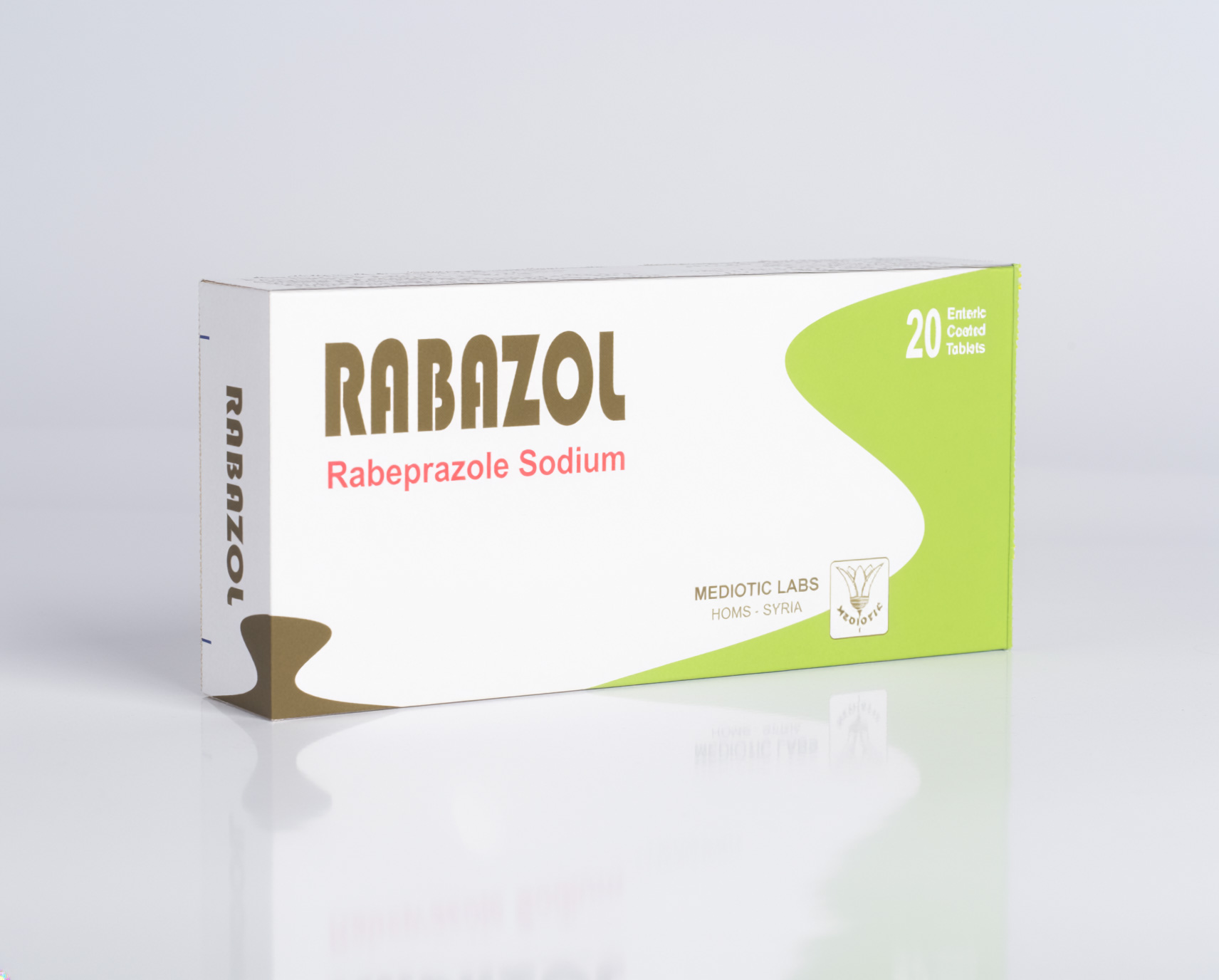
RABAZOL

Each delayed release enteric-coated tablet contains: 20 mg rabeprazole sodium. Properties:

Rabeprazole sodium belongs to the class of anti-secretory compounds the substituted benzimidazoles that suppress gastric acid secretion by the specific inhibition of the H/K- ATPase enzyme (the acid-proton-pump). After oral administration of a 20 mg dose of rabeprazole sodium the onset of anti-secretory occurs within one hour, with the maximum effect occurring within 2-4 hours, and the duration of inhibition lasting up to 48 hours. The inhibitory effect of rabeprazole sodium on acid secretion increases slightly with repeated once-daily dosing, achieving steady state inhibition after three days. When the drug is discontinued, secretory activity normalizes over 2-3 days. Pharmacokinetic properties:

Rabazole absorption is rapid, with peak plasma concentrations occurring approximately 3.5 hours after a 20 mg dose.

Absolute bioavailability is about 52% due in large part to pre-systemic metabolism. Rabazole is approximately 97% bound to human plasma protein. It is metabolized by isoenzymes of CYP 450. Approximately 90% of the dose is eliminated in urine as

metabolites (mercapturic acid conjugate and carboxylic acid). The remainder of the dose was recovered in feces.

Elderly:

Elimination of Rabeprazole was decreased in the elderly.

Hepatic dysfunction:

Following a single 20 mg dose of Rabeprazole to patients with chronic mild to moderate hepatic impairment the AUC doubled and there was a 2-3 fold increase in half-life of Rabeprazole compared to the healthy volunteers.

Renal dysfunction:

In patients with renal disease requiring maintenance hemodialysis, no clinically significant difference observed in the pharmacokinetics of rabeprazol after a single 20 mg oral dose when compared to healthy volunteers.

Indications:

Rabazol is indicated for the treatment of:

  1. Active duodenal ulcer.
  2. Active benign gastric ulcer.
  3. Treatment of ulcerative or erosive gastroesophageal reflux disease.
  4. Long term treatment of symptomatic erosive or ulcerative gastroesophageal reflux disease (GERD).
  5. Pathological hypersecretory conditions including Zollinger-Ellison syndrome. Contraindications:

RABAZOL is contra – indicated in:

Patients with hypersensitivity to rabeprazole sodium or to any excipient used in the formulation.

Pregnancy and during breast-feeding.

Children.

Side Effects:

RABAZOL tablets were generally well tolerated, but the observed side effects have generally been mild to moderate and transient in nature.  

The most common adverse effects are: headache, diarrhea, and nausea: other adverse effects: rhinitis, abdominal pain, asthenia, flatulence, dry mouth and rash

Precautions:

The possibility of malignancy should be excluded prior to treatment to RABAZOL

care should be taken when treatment with rabeprazole is first initiated in patients with severe hepatic dysfunction.

Drug Interactions:

Studies in healthy subjects have shown that RABAZOL does not have clinically

significant interactions with other drugs studied including warfarin, phenytoin, theophilline,

or diazepam metabolized by the CYP 450 system.

Co-administration of Rabazol sodium results in a 33% decrease in ketoconazole levels and a 22% increase in trough digoxin levels in normal subjects.

Therefore individual patients may need to be monitored to determine if a dosage

adjustment is necessary when such drugs are taken concomitantly with rabeprazole. No clinically relevant interaction with food.

Dosage and Administration:

Active duodenal ulcer and active benign gastric ulcer:

The recommended oral dose for both is 20 mg to be taken once daily in the morning. Some patients with active duodenal ulcer may respond to one 10 mg tablet to be taker once daily in the morning.

Most patients with active duodenal ulcer heal within 2-4 weeks. A few patients may require an additional 4 weeks of therapy to achieve healing.

Most patients with active benigin gastric ulcer heal within six weeks.

A few patients may need an additional six weeks of therapy to achieve healing.

Ulcerative gastroesophageal reflux disease:

The recommended dose is 20 mg to be taken once daily for 4 – 8 weeks. Maintenance of healing of gastroesophageal reflux disease:

20 mg once daily.

Pathological hypersecretory conditions including Zollinger – Ellison syndrome: 60 mg once daily, some patients need divided doses.

storage:

– Protect from light and moistur.

-Store at room temperature, between(15-30)°C

Packaging:

2 blisters,each one contains 10 delayed release, enteric coated tablets / carton box.

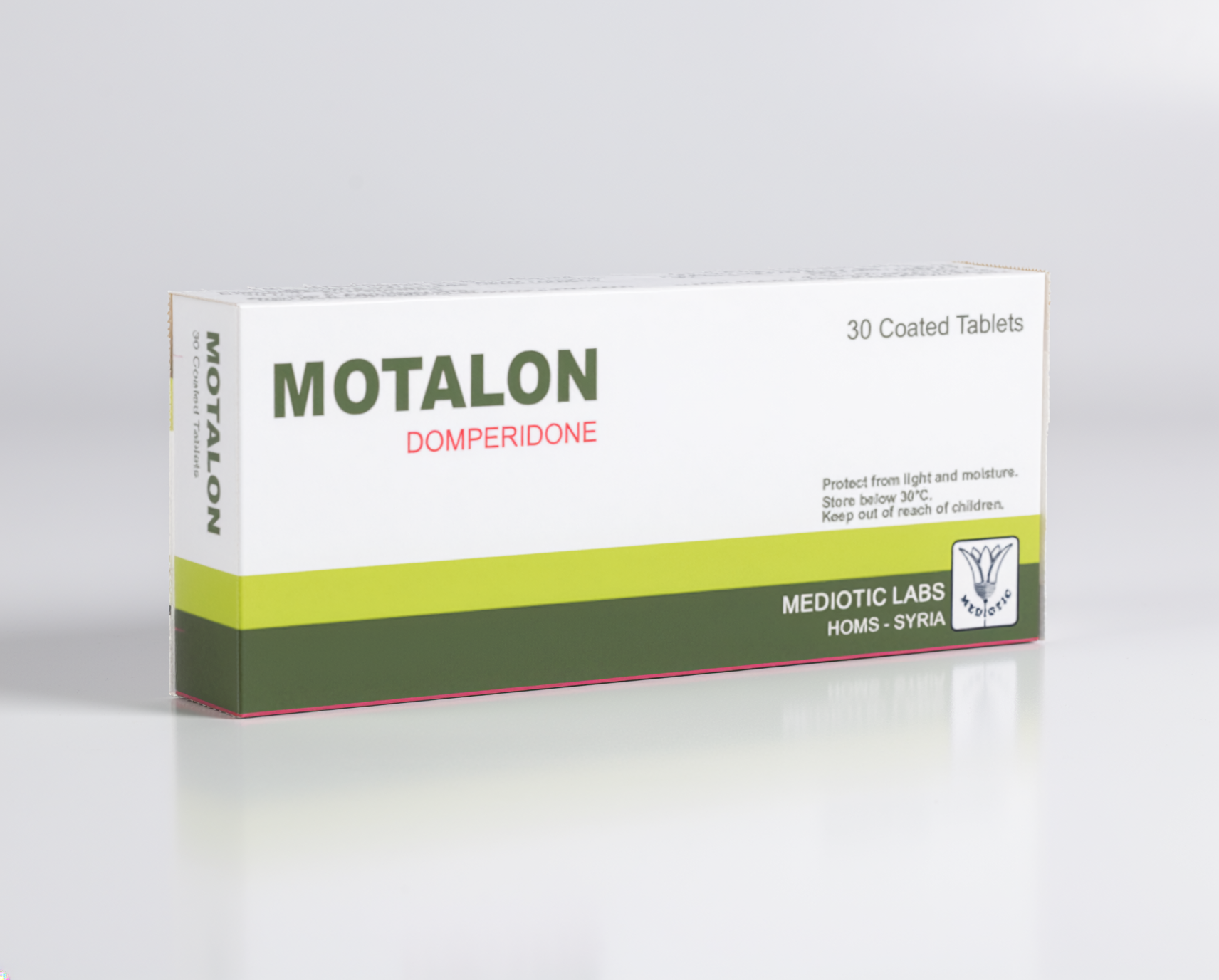
MOTALON

Film coated tablets (10 mg), Oral Suspension (1 mg/ml)

COMPOSITION:

Each film-coated tablets contains: 10 mg Domperidone.

Each 5 mL of oral suspension contains: 5 mg Domperidone. Excipients:

Film-coated tablets:

Core: Lactose Monohydrate, Starch, Talc, Magnesium Stearate, Aerosil, Povidone, Deionized Water. Film: HPMC, Talc, PEG, Ethanol, Titanium Dioxide.

Oral suspension: CMC, Vivapor, Saccharin Sodium, Tween, Banana Flavor, Antifoam Emulsion, Sorbitol, Methyl Paraben Sodium, Propyl Paraben Sodium, Deionized Water.

Pharmacological classification: Antispasmodic drugs and antiemetic.

MECHANISM OF ACTION:

Domperidone is a dopamine antagonist with anti-emetic properties. Its anti-emetic effect may be due to a combination of peripheral effects and antagonism of dopamine receptors in the chemoreceptor trigger zone.


PHARMACOKINETICS:
Absorption: Domperidone is rapidly absorbed after oral administration, with peak plasma concentrations occurring at approximately 1 hr after dosing.

Distribution: Domperidone is 91-93% bound to plasma proteins.
Metabolism: Domperidone is metabolized by liver.
Excretion: 31% of the drug is excreted by urine and 66% is excreted by feces. INDICATIONS:

MOTALON is indicated for the relief of the symptoms of nausea and vomiting.

CONTRAINDICATIONS:
The drug is contraindicated in hypersensitivity to MOTALON or any of the excipients. Prolactin-releasing pituitary tumour. When stimulation of the gastric motility could be harmful e.g in patients with gastro- intestinal haemorrhage, mechanical obstruction or perforation. In patients with moderate or severe hepatic impairment. In patients who have known existing prolongation of cardiac conduction intervals, particularly QTc, patients with significant electrolyte disturbances or underlying cardiac diseases such as congestive heart failure. co-administration with QT-prolonging drugs.co-administration with potent CYP3A4 inhibitors (regardless of their QT prolonging effects).

ADVERSE EFFECTS:
The most common adverse reaction while taking the drug is dry mouth. The uncommon adverse effect: Loss of libido, Anxiety, Somnolence, Headache, Diarrhea, Rash, Pruritus, Galactorrhoea, Breast pain, Asthenia.

DRUG INTERACTIONS:
Concomitant use of the following substances is contraindicated:
QTc prolonging medicinal products such as, anti-arrhythmic class IA (e.g. disopyramide, hydroquinidine, quinidine), anti-arrhythmic class III (e.g. amiodarone, dofetilide, dronedarone, ibutilide, sotalol), certain anti- psychotics (e.g. haloperidol, pimozide, sertindole), certain anti-depressants (e.g. citalopram, escitalopram), certain antibiotics (e.g. erythromycin, levofloxacin, moxifloxacin, spiramycin), certain antifungal agents (e.g. pentamidine), certain antimalarial agents (in particular halofantrine, lumefantrine), certain gastro-intestinal medicines (e.g. cisapride, dolasetron, prucalopride), certain antihistaminics (e.g. mequitazine, mizolastine), certain medicines used in cancer (e.g. toremifene, vandetanib, vincamine), certain other medicines (e.g. bepridil, diphemanil, methadone), Potent CYP3A4 inhibitors i.e. (protease inhibitors, systemic) azole antifungals, some macrolides (erythromycin, clarithromycin, telithromycin).
Concomitant use of the following substances is not recommended: Moderate CYP3A4 inhibitors i.e. diltiazem, verapamil and some macrolides. Concomitant use of the following substances requires caution in use: caution with bradycardia as well as with the following macrolides involved in QT-interval prolongation: azithromycin and roxithromycin (clarithromycin is contra-indicated as it is a potent CYP3A4 inhibitor).

WARNINGS AND PRECAUTIONS:
Cardiovascular effects:
MOTALON has been associated with prolongation of the QT interval on the electrocardiogram. There have been very rare cases of QT prolongation and torsades de pointes in patients taking MOTALON. These reports included patients with confounding risk factors, electrolyte abnormalities and concomitant treatment. MOTALON was associated with an increased risk of serious ventricular arrhythmias or sudden cardiac death, a higher risk was observed in patients older than 60 years, patients taking daily doses greater than


30 mg, and patients concurrently taking QT-prolonging drugs or CYP3A4 inhibitors MOTALON should be used at the lowest effective dose in adults and children.

MOTALON is contraindicated in patients with known existing prolongation of cardiac conduction intervals, particularly QTc, in patients with significant electrolyte disturbances (hypokalemia, hyperkalemia,

hypomagnesaemia), or bradycardia, or in patients with underlying cardiac diseases such as congestive heart failure due to increased risk of ventricular arrhythmia.

Treatment with MOTALON should be stopped if signs or symptoms occur that may be associated with cardiac arrhythmia, and the patients should consult their physician.

Pregnancy and lactation:

MOTALON should only be used during pregnancy when justified by the anticipated therapeutic benefit. In breast-feeding mothers, a decision should be made whether to discontinue breast-feeding or to discontinue MOTALON therapy taking into account the benefit of breast-feeding for the child and the benefit of therapy for the woman. Caution should be exercised in case of QTc prolongation risk factors in breast-fed infants. MOTALON should be used at the lowest effective dose for the shortest duration necessary to control nausea and vomiting.

It is recommended to take oral MOTALON before meals. If taken after meals, absorption of the drug is somewhat delayed.

If a scheduled dose is missed, the missed dose should be omitted and the usual dosing schedule resumed. The dose should not be doubled to make up for a missed dose.

Usually, the maximum treatment duration should not exceed one week.

Adults and adolescents (12 years of age and older and weighing 35 kg or more):

One 10 mg tablet before meal up to three times per day with a maximum dose of 30 mg per day.

10 ml (of oral suspension containing domperidone 1 mg per mL) up to three times per day with a maximum daily dose of 30 ml per day.

*Due to the need for accurate dosing, the drug is unsuitable for use in children and adolescents weighing less than 35 kg.

Neonates, infants, children (less than 12 years of age) and adolescents weighing less than 35 kg:

MOTALON Tablets: the risk of neurological side effects is higher in young children. Overdosing may cause extrapyramidal symptoms in children.

MOTALON Suspention: The dose is 0.25 mg/kg. This should be given up to three times per day with a maximum dose of 0.75 mg/kg per day.

Renal impairment: The elimination half-life of MOTALON is prolonged in severe renal impairment. The dose may also need to be reduced.

Hepatic Impairment: MOTALON is contraindicated in moderate or severe hepatic impairment. Dose modification in mild hepatic impairment is however not needed

OVERDOSAGE:

Overdose has been reported primarily in infants and children. Symptoms of overdosage may include agitation, altered consciousness, convulsions, disorientation, somnolence and extrapyramidal reactions. Treatment: There is no specific antidote to MOTALON, but in the event of overdose, standard symptomatic treatment should be given immediately. Gastric lavage as well as the administration of activated charcoal, may be useful. ECG monitoring should be undertaken, because of the possibility of QT interval prolongation. Close medical supervision and supportive therapy is recommended. Anticholinergic, anti- parkinson drugs may be helpful in controlling the extrapyramidal reactions.

PACKAGING:

Film-coated tablets: 3 blisters, each contains 10 film-coated tablets/carton box.

Oral suspension: Glass bottle of 100 mL oral suspension/carton box, with a metallic screw cap. STORAGE CONDITIONS:

– Protect from light and moisture. – Store below 30°C.

MEDIOPAN PLUS

10 mg (Hyoscine-N- Butylbromide), 500 mg paracetamol (film-coated tablets) 10 mg (Hyoscine-N- Butylbromide), 800 mg paracetamol (suppositories) 7.5 mg (Hyoscine-N- Butylbromide), 250 mg paracetamol (suppositories)

COMPOSITION & EXCIPIENTS:

Each MEDIOPAN PLUS film-coated tablet contains:

10 mg (Hyoscine-N- Butylbromide), 500 mg Paracetamol.

Each MEDIOPAN PLUS Children suppository (1 g) contains:

7.5 mg Hyoscine Butyl Bromide, 250 mg Paracetamol.

Each MEDIOPAN PLUS Adults suppository (2 g) contains:

10 mg Hyoscine Butyl Bromide, 800 mg Paracetamol. Excipients:

Film coated tablets:

Core: Starch, Magnesium Stearate, Microcrystalline Cellulose.

Film: PEG, Hydroxy Propyl Methyl Cellulose.

Suppositories: Aerosil, Hydrogenated Vegetable Oil.

MECHANISM OF ACTION:

(Hyoscine-N- Butylbromide) acts spasmolytically on the smooth musculature of the gastrointestinal tract, the bile and discharge urinary tract, and the female genital organs. The peripheral anticholinergic effects are due both to the ganglion blockade in the visceral wall and to anti- muscarinic effects.

In addition to a very weak anti-inflammatory effect, paracetamol has analgesic and antipyretic properties. PHARMACOKINETICS PROPERTIES:

(Hyoscine-N- Butylbromide):

Absorption: (Hyoscine-N- Butylbromide) only partly absorbed due to the strong polar properties of this quaternary ammonium compound and the low lipid solubility resulting from after oral (8%) or rectal (3%) administration. Distribution: The plasma protein binding is 4.4%.

Biotransformation and elimination: Butylbromide mainly metabolized by hydrolytic cleavage of the ester bond. Orally applied (Hyoscine-N- Butylbromide) precipitated via faeces and urine. Approximately 90% of the radioactivity was found in the faeces after oral administration; in the urine, up to 5% of the radioactivity was found depending on the type of application. Paracetamol:

Absorption: After oral administration, paracetamol is absorbed rapidly and almost completely in the small intestine. Maximum plasma concentrations are reached 0.5 – 2 hours after administration.

After rectal administration, paracetamol is absorbed with an absolute bioavailability of about 30% to 40%; maximum plasma concentrations are reached after 1.3-3.5 hours.

Distribution: Paracetamol spreads rapidly in all tissues. The plasma protein binding is low (between 5% and 20%).

Biotransformation: Paracetamol is primarily metabolized in the liver.

Elimination: Excretion is predominantly in the urine. The elimination half-life is about two hours.

Renal insufficiency: In severe renal insufficiency (creatinine clearance <10 ml / min) the excretion of paracetamol and its metabolites is delayed.

INDICATIONS:

For patients with convulsive pain in the stomach and intestine disorders, convulsive pain and dysfunction in the area of the bile ducts, the urinary tract and the female genital organs (e.g. dysmenorrhea).

CONTRAINDICATIONS:

  • Hypersensitivity to the active substances or to any of the excipients
  • Mechanical stenosis of the gastrointestinal tract Megacolon Urinary retention in subvesical obstruction (e.g. prostate adenoma)
  • Angular glaucoma
  • Tachycardia and tachyarrhythmia
  • Myasthenia gravis
  • Severe hepatic insufficiency (Child-Pugh C)

WARNINGS AND PRECAUTIONS:

A physician should be consulted immediately if severe abdominal pain persists or worsens or occurs together with symptoms such as fever, nausea, vomiting, and changes in intestinal motility, abdominal (pressure) sensitivity, blood pressure drop, fainting, or blood in the stool.

In order to avoid the risk of overdosing, it should be ensured that concurrent use of other medicinal products does not contain paracetamol.

This drug should be used with caution in the following cases: Hepatocellular insufficiency (Child-Pugh A/B) 

Hepatic dysfunction (e.g. due to chronic alcohol abuse, hepatitis) Serious renal insufficiency (creatinine clearance <10 ml / min) Gilbert syndrome (Meulengracht disease) glucose-6-phosphate dehydrogenase deficiency In case of high fever, signs of secondary infection, or persisting symptoms for more than 3 days, the doctor must be consulted.

The doctor should be consulted if the pain persists or worsens, new symptoms are observed, or redness or swelling occurs, as this may be an indication of serious adverse reactions.

Blood count, liver and kidney function should be monitored during prolonged use.

  • Severe acute hypersensitivity reactions, Such as anaphylactic shock, have been observed very rarely. At the first signs of hypersensitivity reaction, treatment with this drug must be discontinued.
  • In the case of prolonged high-dose, inappropriate use of analgesics, headaches may occur which should not be treated by increased doses of the drug.

Abrupt discontinuation after prolonged high-dose may cause headache, fatigue, muscle pain, nervousness, and vegetative symptoms. The symptom of withdrawal sounds within a few days. Until then, the recovery of painkillers should be omitted, and re-ingestion should not take place without medical advice.

Pregnancy:

There are no adequate data on the use of this drug in pregnant women. It is not known whether (Hyoscine-N- Butylbromide) passes the placenta, so that pharmacological effects on the fetus are possible. Therefore, the use of this drug during pregnancy is therefore not recommended.