
MENU

MEDIOVAL

Composition:

Each gram of MEDIOVAL (Cream/Ointment) contains 0.5mg Clobetasol Propionate. Properties:

Clobetasol is a potent topical corticosteroid which is effective because of its anti-inflammatory, antipruritic and vasoconstrictive actions.

Indications:

MEDIOVAL is used in a short courses for the relief of the inflammatory and pruritic manifestation of severs and moderate dermatoses that are not responding to other corticosteroids such as: psoriasis, eczema including (nummular eczema and hand eczema) lichen planum, discoid lupus erythematosus, all kinds of dermatitis (atopic, seborrhoeis, solar, neurocontact dermatitis, and static).

Contraindications:

Hypersensitivity to clobetasol or other corticosteroids.

Viral infections.

Cautions:

MEDIOVAL is not for ophthalmic use.

In the presence of an infection, an appropriate antifungal or antibacterial

agent should be administered.

The weekly dosage should not exceed 50 g.

If irritation or hypersensitivity develops, drug should be discontinued and appropriate therapy instituted.

When treating under occlusion the skin should always be cleaned before a new dressing is applied.

The side effects of the systemic absorption of topical application of corticosteroids may be seen if the patient receives a large dose applicated to a large surfaces or for prolonged times, or if the patient was a baby or a child. This medication should not be used extensively in pregnant patients or nursing mothers in large amounts, or for prolonged periods of time.

Side effects:

Irritation, hypertrichosis, burning, itching, acne-form eruptions, hypopigmentation, and atrophic changes such as striae.

Dosage & administration:

Apply a thin layer of MEDIOVAL to the affected skin areas once or twice daily.

Storage:

Store at temperature between (15-30)°C.

Presentation:

Aluminum tube contains 30g MEDIOVAL Ointment.

Aluminum tube contains 50g MEDIOVAL Cream.

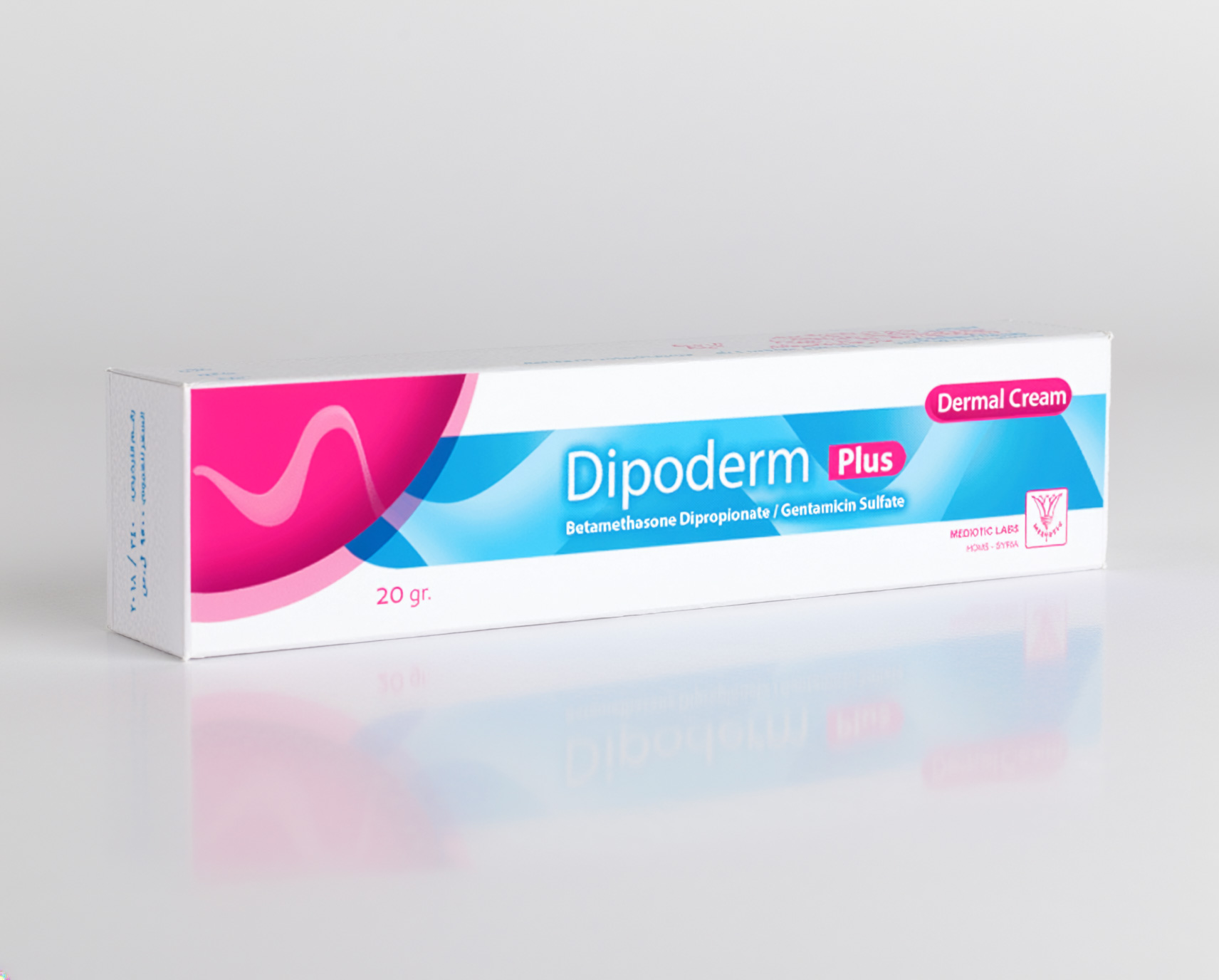
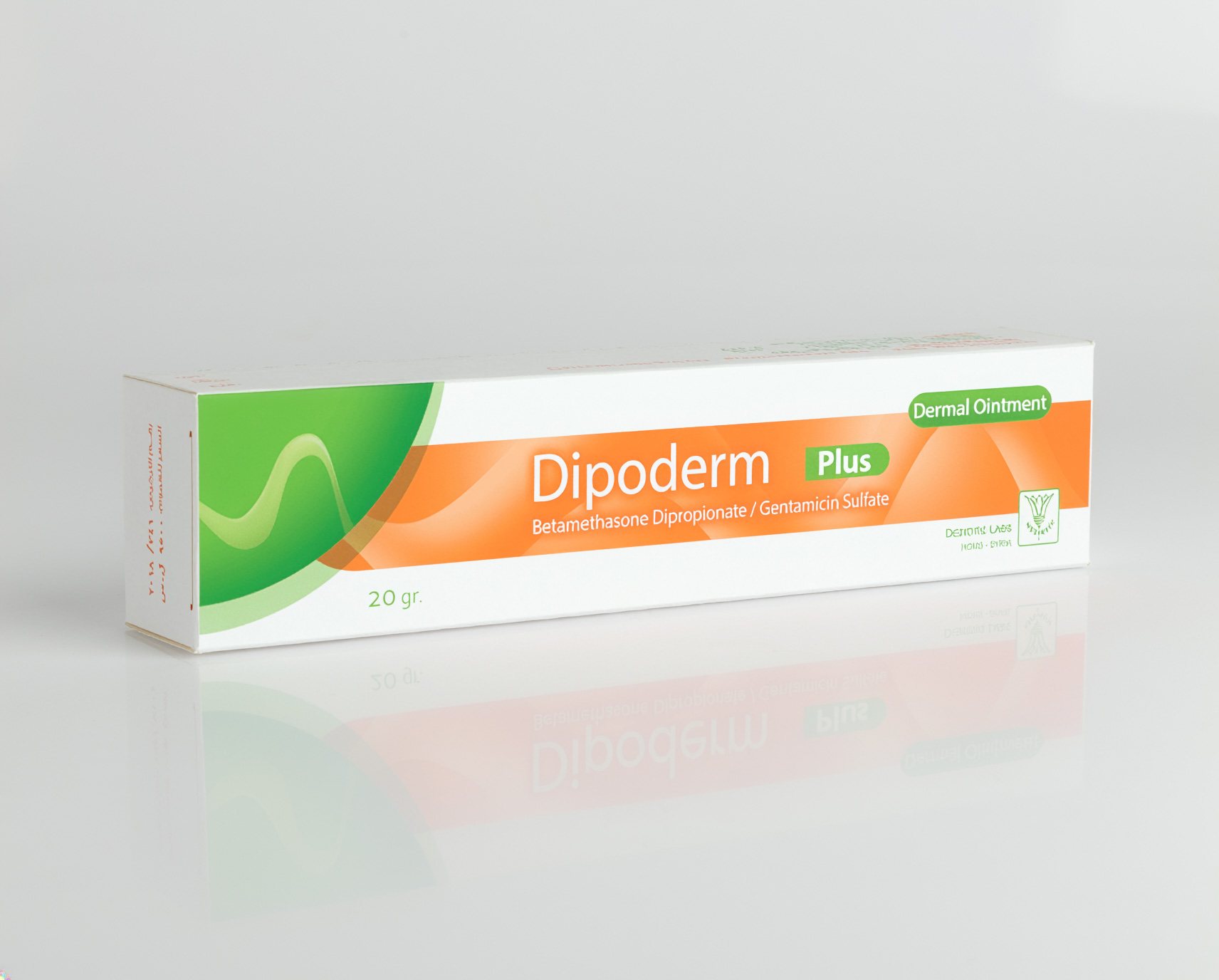
DIPODERM PLUS

PHARMACODYNAMIC PROPERTIES:

DIPODERM preparations contain the dipropionate ester of betamethasone which is a glucocorticoid exhibiting the general properties of corticosteroids.

In pharmacological doses, corticosteroids are used primarily for their anti-inflammatory and/or immune suppressive effects.

Topical corticosteroids such as betamethasone dipropionate are effective in the treatment of a range of dermatoses because of their anti-inflammatory, anti-pruritic and vasoconstrictive actions. However, while the physiologic, pharmacologic and clinical effects of the corticosteroids are well known, the exact mechanisms of their action in each disease are uncertain.

PHARMACOKINETIC

The extent of percutaneous absorption of topical corticosteroids is determined by many factors including vehicle, integrity of the epidermal barrier and the use of occlusive dressings.

Topical corticosteroids can be absorbed through intact, normal skin. Inflammation and/or other disease processes in the skin may increase percutaneous absorption.

Occlusive dressings substantially increase the percutaneous absorption of topical corticosteroids.

Once absorbed through the skin, topical corticosteroids enter pharmacokinetic pathways similar to systemically administered corticosteroids.

Corticosteroids are bound to plasma proteins in varying degrees, are metabolised primarily in the liver and excreted by the kidneys. Some of the topical corticosteroids and their metabolites are also excreted in the bile. INDICATIONS:

Betamethasone Dipropionate is a synthetic fluorinated corticosteroid. It is active topically and produces a rapid and sustained response in eczema and dermatitis of all types, including atopic eczema, photodermatitis. Lichen planus, lichen simplex, prurigonodularis, discoid lupus erythematosus, necrobiosislipoidica, pretibial myxodemea and erythroderma. It is also effective in the less responsive conditions such as psoriasis of the scalp and chronic plaque psoriasis of the hands and feet, but excluding widespread plaque psoriasis.

CONTRAINDICATIONS:

Rosacea, acne, perioral dermatitis, perianal and genital pruritus. Hypersensitivity to any of the ingredients of the DIPODERM presentations contra-indicates their use as does tuberculous and most viral lesions of the skin, particularly herpes simplex, vacinia, varicella. DIPODERM should not be used

in napkin eruptions, fungal or bacterial skin infections without suitable concomitant anti-infective therapy. DOSE AND METHOD OF ADMINISTRATION:

Adults and Children:

Once to twice daily. In most cases a thin film of DIPODERM should be applied to cover the affected area twice daily. For some patients adequate maintenance therapy may be achieved with less frequent application. DIPODERM Cream is especially appropriate for moist or weeping surfaces and the DIPODERM ointment for dry, lichenifield or scaly lesions but this is not invariably so Control over the dosage regimen may be achieved during intermittent and maintenance therapy by using DIPODERM (Cream or Ointment). Such control may be necessary in mild and improving dry skin conditions requiring low dose steroid treatment. WARNINGS AND PRECAUTIONS:

Local and systemic toxicity is common, especially following long continuous use on large areas of damaged skin, in flexures or with polythene occlusion. If used in children or on the face courses should be limited to 5 days. Long term continuous therapy should be avoided in all patients irrespective of age.

Occlusion must not be used.

Topical corticosteroids may be hazardous in psoriasis for a number of reasons, including rebound relapses following development of tolerance, risk of generalized pustular psoriasis and local systemic toxicity due to impaired barrier function of the skin. Careful patient supervision is important.

General: Systemic absorption of topical corticosteroids can produce reversible HPA axis suppression with the potential for glucocorticosteroid insufficiency after withdrawal of treatment. Manifestations of Cushing’s syndrome also can be produced in some patients by systemic absorption of topical corticosteroids while on treatment. Patients receiving a large dose of a potent topical steroid applied to

a large surface area should be evaluated periodically for evidence of HPA axis suppression. If HPA axis suppression is noted, an attempt should be made to withdraw the drug, to reduce the frequency

of application, or to substitute a less potent corticosteroid.

Recovery of HPA axis function is generally prompt and complete upon discontinuation of the drug. Infrequently, signs and symptoms of steroid withdrawal may occur, requiring supplemental systemic corticosteroids.

Any of the side effects that are reported following systemic use of corticosteroids, including adrenal suppression, may also occur with topical corticosteroids, especially in infants and children.

Paediatric patients may be more susceptible to systemic toxicity from equivalent doses due to their larger skin surface to body mass ratios.

If irritation develops, treatment should be discontinued and appropriate therapy instituted. DIPODERM is not for ophthalmic use.

Visual disturbance may be reported with systemic and topical (including, intranasal, inhaled and intraocular) corticosteroid use. If a patient presents with symptoms such as blurred vision or other visual disturbances, the patient should be considered for referral to an ophthalmologist for evaluation of possible causes of visual disturbances which may include cataract, glaucoma or rare diseases such as central serous chorioretinopathy (CSCR) which have been reported after use of systemic and topical corticosteroids.

Pediatric population:

Pediatric patients may demonstrate greater susceptibility to topical corticosteroid-induced HPA axis suppression and to exogenous corticosteroid-induced HPA axis suppression and to exogenous corticosteroid effects than adult patients because of greater absorption due to a larger skin surface area to body weight ratio. HPA axis suppression, Cushing’s syndrome and intracranial hypertension have been reported in paediatric patients receiving topical corticosteroids. Manifestations of adrenal suppression in paediatric patients include linear growth retardation, delayed weight gain, low plasma cortisol levels and an absence of response to ACTH stimulation. Manifestations of intracranial hypertension include a bulging fontanelle, headaches and bilateral papilledema.

DRUG INTERACTIONS:

None stated.

Pregnancy and lactation:

There are no adequate and well controlled studies of the teratogenic potential of topically applied corticosteroids in pregnant women. Therefore topical steroids should be used during pregnancy only if the potential benefit justifies the potential risk to the foetus.

It is not known whether topical administration of corticosteroids would result in sufficient systemic absorption to produce detectable quantities in breast milk. Systemically administered corticosteroids are secreted into breast milk in quantities not likely to have a deleterious effect on the infant. Nevertheless, a decision should be made whether to discontinue the drug, taking into account the importance of the drug to the mother.

Effects on ability to drive and use machines: None stated.

Undesirable effects:

DIPODERM preparations are generally well tolerated and side-effects are rare. The systemic absorption of betamethasone dipropionate may be increased if extensive body surface areas or skin folds are treated for prolonged periods or with excessive amounts of steroids. Suitable precautions should be taken in these circumstances, particularly with infants and children.

The following local adverse reactions that have been reported with the use of DIPODERM include: burning, itching, and irritation, dryness, folliculitis, hypertrichosis, acneiform eruptions, hypopigmentation, perioral dermatitis, and allergic contact dermatitis, maceration of the skin, secondary infection, striae and miliaria. Continuous application without interruption may result in local atrophy of the skin, striae and superficial vascular dilation, particularly on the face.

Vision blurred has been reported with corticosteroid use.

OVERDOSE:

Excessive prolonged use of topical corticosteroids can suppress pituitary-adrenal functions resulting in secondary adrenal insufficiency which is usually reversible. In such cases appropriate symptomatic treatment is indicated. If HPA axis suppression is noted, an attempt should be made to withdraw the drug, reduce the frequency of application, or to substitute a less potent steroid.

The steroid content of each tube is so low as to have little or no toxic effect in the unlikely event of accidental oral ingestion.

STORAGE CONDITIONS:

Store at room temperature below 25 °C.

PACKAGING:

Aluminum tube contains 10 gr. DIPODERM (cream, ointment)/carton box.

Aluminum tube contains 30 gr. DIPODERM (cream, ointment))/carton box..

DIPODERM PLUS

PHARMACODYNAMIC PROPERTIES:

DIPODERM preparations contain the dipropionate ester of betamethasone which is a glucocorticoid exhibiting the general properties of corticosteroids.

In pharmacological doses, corticosteroids are used primarily for their anti-inflammatory and/or immune suppressive effects.

Topical corticosteroids such as betamethasone dipropionate are effective in the treatment of a range of dermatoses because of their anti-inflammatory, anti-pruritic and vasoconstrictive actions. However, while the physiologic, pharmacologic and clinical effects of the corticosteroids are well known, the exact mechanisms of their action in each disease are uncertain.

PHARMACOKINETIC

The extent of percutaneous absorption of topical corticosteroids is determined by many factors including vehicle, integrity of the epidermal barrier and the use of occlusive dressings.

Topical corticosteroids can be absorbed through intact, normal skin. Inflammation and/or other disease processes in the skin may increase percutaneous absorption.

Occlusive dressings substantially increase the percutaneous absorption of topical corticosteroids.

Once absorbed through the skin, topical corticosteroids enter pharmacokinetic pathways similar to systemically administered corticosteroids.

Corticosteroids are bound to plasma proteins in varying degrees, are metabolised primarily in the liver and excreted by the kidneys. Some of the topical corticosteroids and their metabolites are also excreted in the bile. INDICATIONS:

Betamethasone Dipropionate is a synthetic fluorinated corticosteroid. It is active topically and produces a rapid and sustained response in eczema and dermatitis of all types, including atopic eczema, photodermatitis. Lichen planus, lichen simplex, prurigonodularis, discoid lupus erythematosus, necrobiosislipoidica, pretibial myxodemea and erythroderma. It is also effective in the less responsive conditions such as psoriasis of the scalp and chronic plaque psoriasis of the hands and feet, but excluding widespread plaque psoriasis.

CONTRAINDICATIONS:

Rosacea, acne, perioral dermatitis, perianal and genital pruritus. Hypersensitivity to any of the ingredients of the DIPODERM presentations contra-indicates their use as does tuberculous and most viral lesions of the skin, particularly herpes simplex, vacinia, varicella. DIPODERM should not be used

in napkin eruptions, fungal or bacterial skin infections without suitable concomitant anti-infective therapy. DOSE AND METHOD OF ADMINISTRATION:

Adults and Children:

Once to twice daily. In most cases a thin film of DIPODERM should be applied to cover the affected area twice daily. For some patients adequate maintenance therapy may be achieved with less frequent application. DIPODERM Cream is especially appropriate for moist or weeping surfaces and the DIPODERM ointment for dry, lichenifield or scaly lesions but this is not invariably so Control over the dosage regimen may be achieved during intermittent and maintenance therapy by using DIPODERM (Cream or Ointment). Such control may be necessary in mild and improving dry skin conditions requiring low dose steroid treatment. WARNINGS AND PRECAUTIONS:

Local and systemic toxicity is common, especially following long continuous use on large areas of damaged skin, in flexures or with polythene occlusion. If used in children or on the face courses should be limited to 5 days. Long term continuous therapy should be avoided in all patients irrespective of age.

Occlusion must not be used.

Topical corticosteroids may be hazardous in psoriasis for a number of reasons, including rebound relapses following development of tolerance, risk of generalized pustular psoriasis and local systemic toxicity due to impaired barrier function of the skin. Careful patient supervision is important.

General: Systemic absorption of topical corticosteroids can produce reversible HPA axis suppression with the potential for glucocorticosteroid insufficiency after withdrawal of treatment. Manifestations of Cushing’s syndrome also can be produced in some patients by systemic absorption of topical corticosteroids while on treatment. Patients receiving a large dose of a potent topical steroid applied to

a large surface area should be evaluated periodically for evidence of HPA axis suppression. If HPA axis suppression is noted, an attempt should be made to withdraw the drug, to reduce the frequency

of application, or to substitute a less potent corticosteroid.

Recovery of HPA axis function is generally prompt and complete upon discontinuation of the drug. Infrequently, signs and symptoms of steroid withdrawal may occur, requiring supplemental systemic corticosteroids.

Any of the side effects that are reported following systemic use of corticosteroids, including adrenal suppression, may also occur with topical corticosteroids, especially in infants and children.

Paediatric patients may be more susceptible to systemic toxicity from equivalent doses due to their larger skin surface to body mass ratios.

If irritation develops, treatment should be discontinued and appropriate therapy instituted. DIPODERM is not for ophthalmic use.

Visual disturbance may be reported with systemic and topical (including, intranasal, inhaled and intraocular) corticosteroid use. If a patient presents with symptoms such as blurred vision or other visual disturbances, the patient should be considered for referral to an ophthalmologist for evaluation of possible causes of visual disturbances which may include cataract, glaucoma or rare diseases such as central serous chorioretinopathy (CSCR) which have been reported after use of systemic and topical corticosteroids.

Pediatric population:

Pediatric patients may demonstrate greater susceptibility to topical corticosteroid-induced HPA axis suppression and to exogenous corticosteroid-induced HPA axis suppression and to exogenous corticosteroid effects than adult patients because of greater absorption due to a larger skin surface area to body weight ratio. HPA axis suppression, Cushing’s syndrome and intracranial hypertension have been reported in paediatric patients receiving topical corticosteroids. Manifestations of adrenal suppression in paediatric patients include linear growth retardation, delayed weight gain, low plasma cortisol levels and an absence of response to ACTH stimulation. Manifestations of intracranial hypertension include a bulging fontanelle, headaches and bilateral papilledema.

DRUG INTERACTIONS:

None stated.

Pregnancy and lactation:

There are no adequate and well controlled studies of the teratogenic potential of topically applied corticosteroids in pregnant women. Therefore topical steroids should be used during pregnancy only if the potential benefit justifies the potential risk to the foetus.

It is not known whether topical administration of corticosteroids would result in sufficient systemic absorption to produce detectable quantities in breast milk. Systemically administered corticosteroids are secreted into breast milk in quantities not likely to have a deleterious effect on the infant. Nevertheless, a decision should be made whether to discontinue the drug, taking into account the importance of the drug to the mother.

Effects on ability to drive and use machines: None stated.

Undesirable effects:

DIPODERM preparations are generally well tolerated and side-effects are rare. The systemic absorption of betamethasone dipropionate may be increased if extensive body surface areas or skin folds are treated for prolonged periods or with excessive amounts of steroids. Suitable precautions should be taken in these circumstances, particularly with infants and children.

The following local adverse reactions that have been reported with the use of DIPODERM include: burning, itching, and irritation, dryness, folliculitis, hypertrichosis, acneiform eruptions, hypopigmentation, perioral dermatitis, and allergic contact dermatitis, maceration of the skin, secondary infection, striae and miliaria. Continuous application without interruption may result in local atrophy of the skin, striae and superficial vascular dilation, particularly on the face.

Vision blurred has been reported with corticosteroid use.

OVERDOSE:

Excessive prolonged use of topical corticosteroids can suppress pituitary-adrenal functions resulting in secondary adrenal insufficiency which is usually reversible. In such cases appropriate symptomatic treatment is indicated. If HPA axis suppression is noted, an attempt should be made to withdraw the drug, reduce the frequency of application, or to substitute a less potent steroid.

The steroid content of each tube is so low as to have little or no toxic effect in the unlikely event of accidental oral ingestion.

STORAGE CONDITIONS:

Store at room temperature below 25 °C.

PACKAGING:

Aluminum tube contains 10 gr. DIPODERM (cream, ointment)/carton box.

Aluminum tube contains 30 gr. DIPODERM (cream, ointment))/carton box..

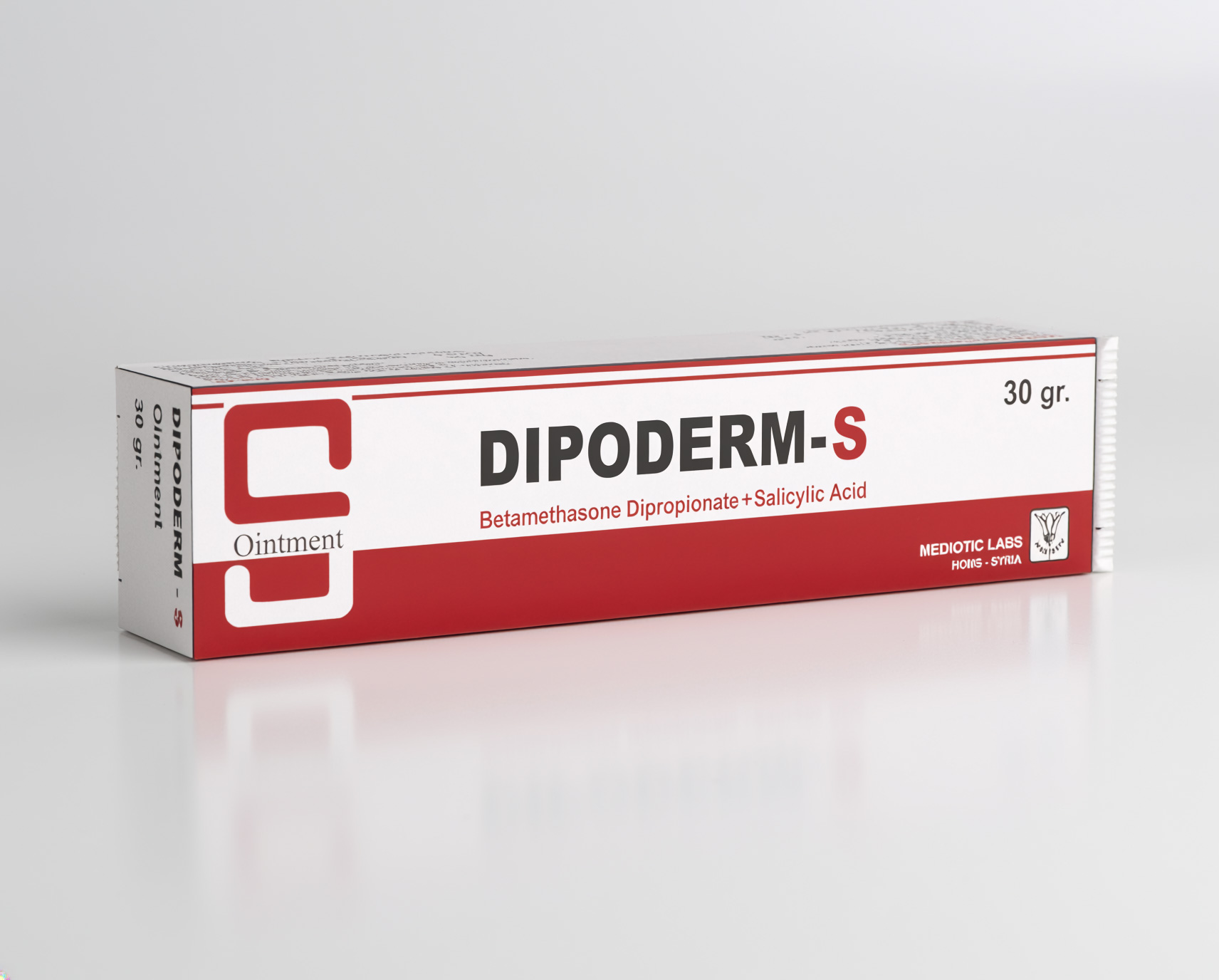
DIPODERM-S

Excipients:

Dipoderm plus cream :chlorocreasol, cetostearyle alcohol, sodium phosphate monobasic, phosphoric acid,white petrolatum,mineral oil,poly ethylene glycol 1000 monocetyl ether, sodium hydroxide or phosphoric acid for PH adjustment,purified water.

Dipoderm plus ointment: mineral oil,white petrolatum .

Mechanism of action:

This product combines the antibacterial action of gentamicin (an aminoglycoside antibiotic) with the anti-inflammatory, antipruritic and vasoconstrictive properties of betamethasone dipropionate (a highly potent, class III corticosteroid).

Gentamicin interferes with the growth of sensitive bacteria by inhibiting protein synthesis. Its action against pathogenic, Gram-negative and Gram-positive bacteria is bactericidal, and is based on the ability of the antibiotic to bind to bacterial 30S ribosomal subunits.

susceptible bacteria to gentamicin:

Streptococcus, coagulase negative, enterobacter sp.,serratia, klebsilla sp.,proteus

mirabilis, Escherichia coli, pseudomonas aeruginosa, Staphylococcus,proteus (indole-positive). Bacteria usually resistant to aminoglycosides:

meningococci, Streptococcus pneumoniae, most types of streptococci (notably Group D), Mycoplasma sp., Chlamydia sp and anaerobes such as Bacteroides sp. and Clostridium sp. Inflamed skin diseases due to secondary bacterial infections can be treated with this product, bringing relief from subjective complaints such as pruritus.

The ointment is particularly suitable for use on dry and chapped skin.

The cream is a cooling, non-oily, water-permeable oil-in-water emulsion, which is indicated for acute and weeping stages of disease.

Pharmacokinetics:

No penetration or absorption studies have been performed on this galenic formulation. Under normal circumstances, only a fraction of the locally applied amount of corticosteroid is systemically available. Penetration and permeation rates depend on the body site, skin condition, the galenic formulation being used, patient age and method of application.

Gentamicin absorption need hardly be considered when used on intact skin. However, increased percutaneous absorption should be taken into account in cases of keratin layer loss, inflammation and occlusive/extensive application. When used topically, absorption may be greater with the cream formulation when compared with the ointment.

Indications:

Cream is indicated for the relief of the inflammatory manifestations of corticosteroidresponsive dermatoses when complicated by secondary infections caused by organisms susceptible to gentamycin.

Ointment is indicated for topical treatment of dermatosis complicated by secondary infection caused by organisms sensitive to Gentamicin.

Posology and method of administration:

Adolescents and Adults:

Apply a thin film to the affected skin areas twice daily and carefully rub in. Frequency of application should be determined by the physician according to the severity of the condition.

For some patients, adequate maintenance therapy may be achieved with less frequent application. Duration of therapy varies depending upon the extent and location of disease and patient

response. However, if clinical improvement is not achieved by two to three weeks, diagnosis should be reviewed.

Children 2 to 12 years old:

Apply a thin film to only the affected skin and carefully rub in. Apply a sufficient amount no more frequently than twice daily with at least 6-12 hours between applications. Application to face, neck, scalp, genitalia, rectal area, and skin flexures should be applied under medical supervision. Limit treatment to no more than 5 to 7 days.

Contraindications:

Hypersensitivity to the active substances or to any of the excipients used in the preparation as well as to aminoglycoside antibiotics (cross allergy to gentamicin).

Skin infections [of viral, bacterial (incl. TB) and fungal aetiology], vaccine reactions, skin ulcers and acne are contraindicated in the case of locally applied corticosteroids. Facial application is not recommended in the presence of rosacea or perioral dermatitis.

This product should not be applied to mucous membranes, to the eyes or the area surrounding the eyes.

warning and precautions:

If irritation or sensitization develops with the use of this product Cream or Ointment, treatment should be discontinued and appropriate therapy instituted.

When applied topically, systemic absorption of the active substances may be increased if this product is used extensively, particularly during prolonged use or if applied to damaged skin or when using beneath occlusive dressings. particular caution is recommended in paediatric use. During concomitant systemic administration of aminoglycoside antibiotics, it should be remembered that, in cases of increased dermal absorption, a cumulative toxic effect (ototoxicity, nephrotoxicity) is possible.

During long-term treatment with preparations containing antibiotics, non-susceptible microorganisms may develop, in particular mycosis. In such an event, or at the onset of a superinfection, appropriate treatment should be instituted.

High-dose, extensive or occlusive application of potent or highly-potent corticosteroids should only

take place under regular, medical supervision; particularly in regard to the suppression of

endogenous corticosteroid production and a possible metabolic effect.

A period of 2-3 weeks’ continuous treatment should preferably not be exceeded. 

Highly-potent, potent and medium-dose corticosteroids should be used with caution in the facial and genital region; treatment should not exceed one week in such cases. Generally speaking, only low-dose corticosteroids should be used around the eyes (glaucoma).

Corticosteroids may mask the symptoms of an allergic skin reaction to one of the product ingredients.

The patient should be instructed to use the product solely in the treatment of his/her current skin condition, and not to pass it on to others.

Use in pediatric patients:

Use of this product in paediatric patients younger than 2 years of age is not recommended. When compared with adults, paediatric patients may demonstrate greater susceptibility to

hypothalamicpituitary-adrenal (HPA) axis suppression (induced by topical corticosteroids) and to exogenous corticosteroid effects, as absorption in children is greater due to the higher skin surface area to body weight ratio.

HPA axis suppression, Cushing’s syndrome, linear growth retardation, delayed weight gain and intracranial hypertension have been reported in children receiving topical corticosteroids. Symptoms of adrenal suppression in children include low plasma cortisol levels and absence of response to ACTH stimulation. Symptoms of intracranial hypertension include bulging fontanelles, headache and bilateral papilledema.

Interactions:

When this product is used in the genital or anal region, the presence of petroleum jelly and liquid paraffin (excipients used in the product) may diminish the tear resistance of concomitantly used latex condoms, thereby compromising their safety when in use.

Pregnancy:

In animal studies, topical application of corticosteroids was shown to have a teratogenic effect. There are no data on its use in human pregnancies.

Aminoglycosides cross the placental barrier and may harm the foetus if administered to pregnant women. There have been reports of total, irreversible, bilateral, congenital deafness in infants whose mothers received aminoglycosides (including gentamicin) during pregnancy. During pregnancy, Diprogenta should only be used in cases where it is absolutely necessary. Lactation:

It is not known whether topically applied corticosteroids pass into breast milk. However, systemically available corticosteroids are excreted in breast milk.

It is not known whether gentamicin passes into breast milk. This product may not be used by nursing mothers.

Undesirable effects:

Initiation of treatment:

Skin:

Rare: irritations, burning sensations, pruritus, skin dryness, hypersensitivity reactions to one of the ingredients used in the product and skin, discoloration.

Extensive, occlusive and/or prolonged use:

During extensive, occlusive and/or prolonged use, local skin changes may occur. During extensive use, systemic effects (adrenal suppression) may occur.

It should be remembered that patients are at greater risk of developing secondary infections as a result of diminished local resistance to infection.

Skin:

Localized skin changes such as atrophy (particularly facial), striae, distensae, cutaneous bleeding, purpura, steroid acne, rosacea-like/ perioral dermatitis and hypertrichosis, skin discoloration. It is not known whether the skin discoloration is reversible.

Uncommon: contact sensitisation to gentamicin.

Rare: skin irritation (erythema, pruritus), Possible photosensitisation was observed in some patients; however, it was impossible to reproduce this effect when gentamicin was reapplied, with subsequent exposure to UV radiation.

Endocrine system:

Endogenous corticosteroid synthesis suppression; overactive adrenal glands with oedema. Metabolism:

Manifestation of latent diabetes mellitus.

Ear, inner ear/ renal:

In cases of concomitant systemic administration of aminoglycoside antibiotics, cumulative

ototoxicity/ nephrotoxicity is possible if this product is used extensively or on damaged skin. Musculoskeletal system:

Osteoporosis, growth retardation (in children).

Overdose:

Symptoms: Excessive or prolonged use of topical corticosteroids may lead to a suppression of the pituitary-adrenal function, and may cause secondary adrenal insufficiency and symptoms of adrenal cortex hyperactivity, including Cushing’s syndrome.

It cannot be excluded that a single excessive dose of gentamicin might induce such symptoms. Treatment: Appropriate symptomatic treatment is indicated. Acute symptoms of adrenal cortex hyperactivity are usually reversible. Electrolyte imbalances should be treated where required. In cases of chronic toxicity, withdrawal of corticosteroids should be gradual.

If overgrowth by non-susceptible organisms occurs, stop treatment with Diprogenta Cream or Ointment and institute appropriate antimycotic or antibacterial treatment. Storage conditions: store at temperature below 25°c

Presentation: Aluminium tube contains 20 g Dipoderm plus cream.

Aluminium tube contains 20 g Dipoderm plus ointment


DIPOERM

PHARMACODYNAMIC PROPERTIES:

DIPODERM preparations contain the dipropionate ester of betamethasone which is a glucocorticoid exhibiting the general properties of corticosteroids.

In pharmacological doses, corticosteroids are used primarily for their anti-inflammatory and/or immune suppressive effects.

Topical corticosteroids such as betamethasone dipropionate are effective in the treatment of a range of dermatoses because of their anti-inflammatory, anti-pruritic and vasoconstrictive actions. However, while the physiologic, pharmacologic and clinical effects of the corticosteroids are well known, the exact mechanisms of their action in each disease are uncertain.

PHARMACOKINETIC

The extent of percutaneous absorption of topical corticosteroids is determined by many factors including vehicle, integrity of the epidermal barrier and the use of occlusive dressings.

Topical corticosteroids can be absorbed through intact, normal skin. Inflammation and/or other disease processes in the skin may increase percutaneous absorption.

Occlusive dressings substantially increase the percutaneous absorption of topical corticosteroids.

Once absorbed through the skin, topical corticosteroids enter pharmacokinetic pathways similar to systemically administered corticosteroids.

Corticosteroids are bound to plasma proteins in varying degrees, are metabolised primarily in the liver and excreted by the kidneys. Some of the topical corticosteroids and their metabolites are also excreted in the bile. INDICATIONS:

Betamethasone Dipropionate is a synthetic fluorinated corticosteroid. It is active topically and produces a rapid and sustained response in eczema and dermatitis of all types, including atopic eczema, photodermatitis. Lichen planus, lichen simplex, prurigonodularis, discoid lupus erythematosus, necrobiosislipoidica, pretibial myxodemea and erythroderma. It is also effective in the less responsive conditions such as psoriasis of the scalp and chronic plaque psoriasis of the hands and feet, but excluding widespread plaque psoriasis.

CONTRAINDICATIONS:

Rosacea, acne, perioral dermatitis, perianal and genital pruritus. Hypersensitivity to any of the ingredients of the DIPODERM presentations contra-indicates their use as does tuberculous and most viral lesions of the skin, particularly herpes simplex, vacinia, varicella. DIPODERM should not be used

in napkin eruptions, fungal or bacterial skin infections without suitable concomitant anti-infective therapy. DOSE AND METHOD OF ADMINISTRATION:

Adults and Children:

Once to twice daily. In most cases a thin film of DIPODERM should be applied to cover the affected area twice daily. For some patients adequate maintenance therapy may be achieved with less frequent application. DIPODERM Cream is especially appropriate for moist or weeping surfaces and the DIPODERM ointment for dry, lichenifield or scaly lesions but this is not invariably so Control over the dosage regimen may be achieved during intermittent and maintenance therapy by using DIPODERM (Cream or Ointment). Such control may be necessary in mild and improving dry skin conditions requiring low dose steroid treatment. WARNINGS AND PRECAUTIONS:

Local and systemic toxicity is common, especially following long continuous use on large areas of damaged skin, in flexures or with polythene occlusion. If used in children or on the face courses should be limited to 5 days. Long term continuous therapy should be avoided in all patients irrespective of age.

Occlusion must not be used.

Topical corticosteroids may be hazardous in psoriasis for a number of reasons, including rebound relapses following development of tolerance, risk of generalized pustular psoriasis and local systemic toxicity due to impaired barrier function of the skin. Careful patient supervision is important.

General: Systemic absorption of topical corticosteroids can produce reversible HPA axis suppression with the potential for glucocorticosteroid insufficiency after withdrawal of treatment. Manifestations of Cushing’s syndrome also can be produced in some patients by systemic absorption of topical corticosteroids while on treatment. Patients receiving a large dose of a potent topical steroid applied to

a large surface area should be evaluated periodically for evidence of HPA axis suppression. If HPA axis suppression is noted, an attempt should be made to withdraw the drug, to reduce the frequency

of application, or to substitute a less potent corticosteroid.

Recovery of HPA axis function is generally prompt and complete upon discontinuation of the drug. Infrequently, signs and symptoms of steroid withdrawal may occur, requiring supplemental systemic corticosteroids.

Any of the side effects that are reported following systemic use of corticosteroids, including adrenal suppression, may also occur with topical corticosteroids, especially in infants and children.

Paediatric patients may be more susceptible to systemic toxicity from equivalent doses due to their larger skin surface to body mass ratios.

If irritation develops, treatment should be discontinued and appropriate therapy instituted. DIPODERM is not for ophthalmic use.

Visual disturbance may be reported with systemic and topical (including, intranasal, inhaled and intraocular) corticosteroid use. If a patient presents with symptoms such as blurred vision or other visual disturbances, the patient should be considered for referral to an ophthalmologist for evaluation of possible causes of visual disturbances which may include cataract, glaucoma or rare diseases such as central serous chorioretinopathy (CSCR) which have been reported after use of systemic and topical corticosteroids.

Pediatric population:

Pediatric patients may demonstrate greater susceptibility to topical corticosteroid-induced HPA axis suppression and to exogenous corticosteroid-induced HPA axis suppression and to exogenous corticosteroid effects than adult patients because of greater absorption due to a larger skin surface area to body weight ratio. HPA axis suppression, Cushing’s syndrome and intracranial hypertension have been reported in paediatric patients receiving topical corticosteroids. Manifestations of adrenal suppression in paediatric patients include linear growth retardation, delayed weight gain, low plasma cortisol levels and an absence of response to ACTH stimulation. Manifestations of intracranial hypertension include a bulging fontanelle, headaches and bilateral papilledema.

DRUG INTERACTIONS:

None stated.

Pregnancy and lactation:

There are no adequate and well controlled studies of the teratogenic potential of topically applied corticosteroids in pregnant women. Therefore topical steroids should be used during pregnancy only if the potential benefit justifies the potential risk to the foetus.

It is not known whether topical administration of corticosteroids would result in sufficient systemic absorption to produce detectable quantities in breast milk. Systemically administered corticosteroids are secreted into breast milk in quantities not likely to have a deleterious effect on the infant. Nevertheless, a decision should be made whether to discontinue the drug, taking into account the importance of the drug to the mother.

Effects on ability to drive and use machines: None stated.

Undesirable effects:

DIPODERM preparations are generally well tolerated and side-effects are rare. The systemic absorption of betamethasone dipropionate may be increased if extensive body surface areas or skin folds are treated for prolonged periods or with excessive amounts of steroids. Suitable precautions should be taken in these circumstances, particularly with infants and children.

The following local adverse reactions that have been reported with the use of DIPODERM include: burning, itching, and irritation, dryness, folliculitis, hypertrichosis, acneiform eruptions, hypopigmentation, perioral dermatitis, and allergic contact dermatitis, maceration of the skin, secondary infection, striae and miliaria. Continuous application without interruption may result in local atrophy of the skin, striae and superficial vascular dilation, particularly on the face.

Vision blurred has been reported with corticosteroid use.

OVERDOSE:

Excessive prolonged use of topical corticosteroids can suppress pituitary-adrenal functions resulting in secondary adrenal insufficiency which is usually reversible. In such cases appropriate symptomatic treatment is indicated. If HPA axis suppression is noted, an attempt should be made to withdraw the drug, reduce the frequency of application, or to substitute a less potent steroid.

The steroid content of each tube is so low as to have little or no toxic effect in the unlikely event of accidental oral ingestion.

STORAGE CONDITIONS:

Store at room temperature below 25 °C.

PACKAGING:

Aluminum tube contains 10 gr. DIPODERM (cream, ointment)/carton box.

Aluminum tube contains 30 gr. DIPODERM (cream, ointment))/carton box..

ELCOMED

Excipient:

Cream: Ethanol, Propylene Glycol, Hard Paraffin, Glyceryl Monostearate, Vaseline, Cetostearyl Alcohol, Emulgin B2, Deionized water.

Ointment: Ethanol, Propylene Glycol, Hard Paraffin, Glyceryl Monostearate, Vaseline, Cetostearyl Alcohol, Emulgin B2, Tween, Deionized water.

Lotion: Isopropyl Alcohol, Propylene Glycol, Sodium Dihydrogen Phosphate, Povidone, Deionized Water. PROPERTIES:

ELCOMED exhibits marked anti-inflammatory and anti-psoriatic activity in standard animal predictive models.

PHARMACOKINETICS:

Pharmacokinetic studies have indicated that systemic absorption following topical application of ELCOMED as ointment or cream 0.1% is minimal, approximately 0.4% of the applied dose in man, the majority of which is excreted within 72 hours following application.

INDICATIONS:

Cream and ointment: ELCOMED is indicated for treatment of inflammatory and pruritic manifestations of psoriasis (excluding widespread plaque psoriasis) and atopic dermatitis.

Lotion: ELCOMED is indicated for the treatment of inflammatory and pruritic manifestations of psoriasis and seborrhoeic dermatitis of the scalp.

CONTRAINDICATIONS:

ELCOMED is contraindicated in:

  • Facial rosacea, acne vulgaris, skin atrophy, perioral dermatitis, perianal and genital pruritis, napkin eruptions, bacterial (e.g. impetigo, pyodermas), viral (e.g. herpes simplex, herpes zoster and chickenpox, verrucae vulgares, condylomata acuminata, molluscum contagiosum), parasitical and fungal (e.g. candida or dermatophyte) infections, varicella, tuberculosis, syphilis or post-vaccine reactions.
  • Wounds or skin which is ulcerated.
  • In patients who are sensitive to mometasone furoate or to other corticosteroids or to any of the ingredients in this medicine.

WARNINGS and PRECAUTIONS:

  • If irritation or sensitization develops, treatment should be withdrawn and appropriate therapy instituted. • If a skin infection developed, an appropriate antifungal or antibacterial agent should be used. If a favorable response does not occur promptly, the corticosteroid should be discontinued until the infection is adequately controlled.
  • Systemic absorption of topical corticosteroids can produce reversible hypothalamic-pituitary-adrenal (HPA) axis suppression with the potential for glucocorticosteroid insufficiency after withdrawal of treatment. Manifestations of Cushing’s syndrome, hyperglycemia, and glucosuria can also be produced in some patients by systemic absorption of topical corticosteroids while on treatment. Patients applying a topical steroid to a large surface area or areas under occlusion should be evaluated periodically for evidence of HPA axis suppression.
  • Any of the side effects that are reported following systemic use of corticosteroids, including adrenal suppression, may also occur with topical corticosteroids, especially in infants and children.
  • Pediatric patients may be more susceptible to systemic toxicity from equivalent doses due to their larger skin surface to body mass ratios. As the safety and efficacy of mometasone furoate is indicated in pediatric patients below 2 years of age have not been established, its use in this age group is not recommended.
  • Local and systemic toxicity is common especially following long continued application on large areas of damaged skin, in flexures and with polythene occlusion. If used in childhood, or on the face, occlusion should not be used. If used on the face, courses should be limited to 5 days and occlusion should not be used.
  • Topical steroids may be hazardous in psoriasis for a number of reasons including rebound relapses following development of tolerance, risk of centralized pustular psoriasis and development of local or systemic toxicity due to impaired barrier function of the skin. If used in psoriasis careful patient supervision is important.
  • As with all potent topical glucocorticoids, sudden discontinuation of treatment should be avoided. When long term topical treatment with potent glucocorticoids is stopped, a rebound phenomenon can develop which takes the form of dermatitis with intense redness, stinging and burning. This can be prevented by slow reduction of the treatment, for instance continues treatment on an intermittent basis before discontinuing treatment.
    • Glucocorticoids can change the appearance of some lesions and make it difficult to establish an adequate diagnosis and can also delay the healing.
    • Mometasone furoate topical preparations are not for ophthalmic use, including the eyelids, because of the very rare risk of glaucoma simplex or subcapsular cataract.

    Pregnancy:

    During pregnancy and lactation, treatment with mometasone furoate should be performed only on the physician’s order. Then however, the application on large body surface areas or over a prolonged period should be avoided. As with all topically applied glucocorticoids, the possibility that fetal growth may be affected by glucocorticoid passage through the placental barrier should be considered. Mometasone furoate should be used in pregnant women only if the potential benefit justifies the potential risk to the mother or the fetus. Lactation:

    It is not known whether topical administration of corticosteroids could result in sufficient systemic absorption to produce detectable quantities in breast milk. Mometasone furoate should be administered to nursing mothers only after careful consideration of the benefit/risk relationship. If treatment with higher doses or long-term application is indicated, breast-feeding should be discontinued.

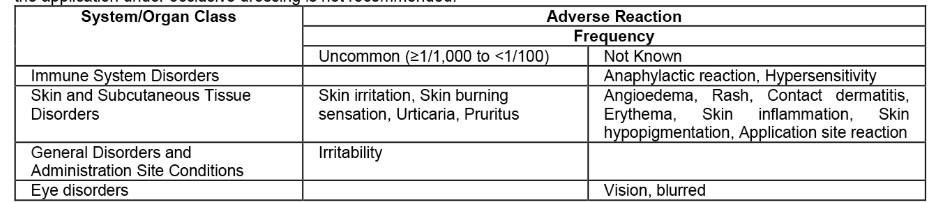
    SIDE EFFECTS:

    ⚫ side effects occur in very rare frequency: burning sensation, Pruritus

    ⚫ side effects occur in not known frequency Infection, furuncle, Paraesthesia, Dermatitis contact, skin hypopigmentation, hypertrichosis, skin striae, dermatitis acneiform, skin atrophy, Application site pain, application site reactions.

    • Local adverse reactions reported infrequently with topical dermatalogic corticosteroids include: skin dryness, irritation, dermatitis, perioral dermatitis, maceration of the skin, miliaria and telangiectasiae.
    • Pediatric patients: Pediatric patients may demonstrate greater susceptibility to topical corticosteroid induced hypothalamic-pituitary-adrenal axis suppression and Cushing’s syndrome than mature patients because of a larger skin surface area to body weight ratio. Chronic corticosteroids therapy may interfere with the growth and development of children.

    DOSAGE AND ADMINISTRATION:

    • Cream and ointment:

    Adults, including elderly patients and Children: A thin film should be applied to the affected areas of skin once daily. Use of a weaker corticosteroid is often advisable when there is a clinical improvement.

    Use of topical corticosteroids in the children aged 6 years and over or on the face should be limited to the least amount compatible with an effective therapeutic regimen and duration of treatment should be no more than 5 days.

    Children below 6 years: Mometasone Furoate is not recommended for use due to insufficient data on safety.

    • Lotion:

    Adults, including elderly patients and Children: A few drops should be applied to affected scalp sites, once daily; massage gently and thoroughly until the medication disappears.

    Use of topical corticosteroids in children should be limited to the least amount compatible with an effective therapeutic regimen and duration of treatment should be no more than 5 days.

    OVERDOSE:

    Excessive, prolonged use of topical corticosteroids can suppress hypothalamic-pituitary-adrenal function resulting in secondary adrenal insufficiency which is usually reversible.

    STORAGE CONDITIONS:

    Store at room temperature, between (15-30)°C.

    Keep out of reach of children.

    PACKAGING:

    Cream: Aluminum tube contains 20 gr. ELCOMED cream/carton box.

    Ointment: Aluminum tube contains 20 gr. ELCOMED ointment/carton box.

    Lotion: Plastic bottle contains 30 mL ELCOMED lotion/carton box.

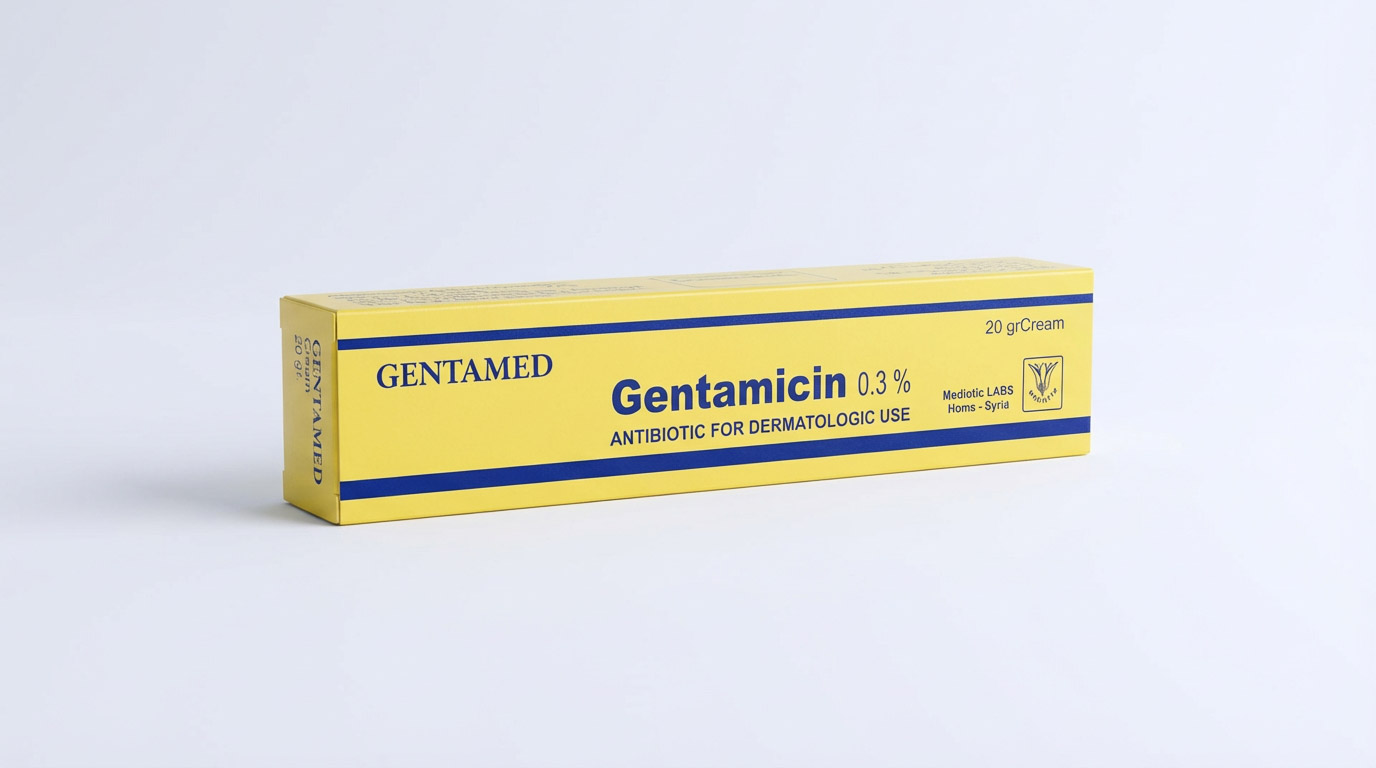
GENTAMED

PHARMACOLOGICAL PROPERTIES:

Gentamicin is a wide spectrum antibiotic that provides highly effective topical treatment in primary and secondary bacterial infections of the skin. This product may clear infections that have not responded to other topical antibiotic agents. Bacteria susceptible to the action of gentamicin include: sensitive strains of streptococci (group A beta-hemolytic, alpha-hemolytic), staphylococcus aureus (coagulase positive, coagulase negative, and some penicillinase-producing strains), and the gram- negative bacteria, pseudomonas aeruginosa, aerobacter aerogens, escherichia coli, proteus vulgaris and klebsiella pneumoniae.

INDICATIONS:

Primary skin infections: Impetigo contagiosa, superficial folliculitis, ecthyma, furunculosis, sycosis barbae, and pyoderma gangrenosum.

Secondary skin infections: Infectious eczematoid dermatitis, pustular acne, pustular psoriasis, infected seborrheic dermatitis, infected contact dermatitis, infected excoriations, and bacterial super- infections of fungal or viral infections.

It is useful in the treatment of infected skin cysts and certain other skin abscesses when preceded by incision and drainage to permit adequate contact between the antibiotic and the infecting bacteria.

GENTAMED is also used in the treatment of infected stasis and other skin ulcers, infected superficial burns, paronychia, infected insect bites and stings, infected lacerations and abrasions and wounds from minor surgery.

Patients sensitive to neomycin can be treated with gentamicin sulfate, although regular observation of patients sensitive to topical antibiotics is advisable when such patients are treated with any topical antibiotic. GENTAMED Cream, recommended for wet, oozing primary infections, and greasy, secondary infections, such as pustular acne or infected seborrheic dermatitis. If a water-washable preparation is desired, the cream is preferable.

GENTAMED Cream has been used successfully in infants over one year of age, as well as in adults and children.

CONTRAINDICATIONS:

GENTAMED is contraindicated in individuals with a history of sensitivity reactions to any of its components.

PRECAUTIONS:

The Use of topical antibiotics occasionally allows overgrowth of nonsusceptible organisms, including fungi. If this occurs, or if irritation, sensitization, or superinfection develops, treatment with Gentamicin Sulfate should be discontinued and appropriate therapy instituted.

SIDE EFFECTS:

Irritation (erythema and pruritus) that did not usually require discontinuance of treatment.

There was no evidence of irritation or sensitization. Possible photosensitization has been reported in several patients but could not be elicited in these patients by reapplication of gentamicin followed by exposure to ultraviolet radiation.

DOSE AND ADMINISTRATION:

A small amount of GENTAMED ointment or cream should be applied gently to lesions three to four times a day. The area treated may be covered with a gauze dressing if desired.

In impetigo contagiosa, the crusts should be removed before application of Gentamicin Sulfate ointment to permit maximum contact between the antibiotic and the infection. Care should be exercised to avoid further contamination of the infected skin.

GENTAMED Ointment helps retain moisture and has been useful in infection on dry eczematous or psoriatic skin.

STORAGE CONDITIONS:

Store at room temperature, between (15-30) °C.

Keep out of reach of children.

PACKAGING:

Cream: Aluminum tube contains 20 gr. GENTAMED cream/carton box.

Ointment: Aluminum tube contains 20 gr. GENTAMED ointment/carton box.

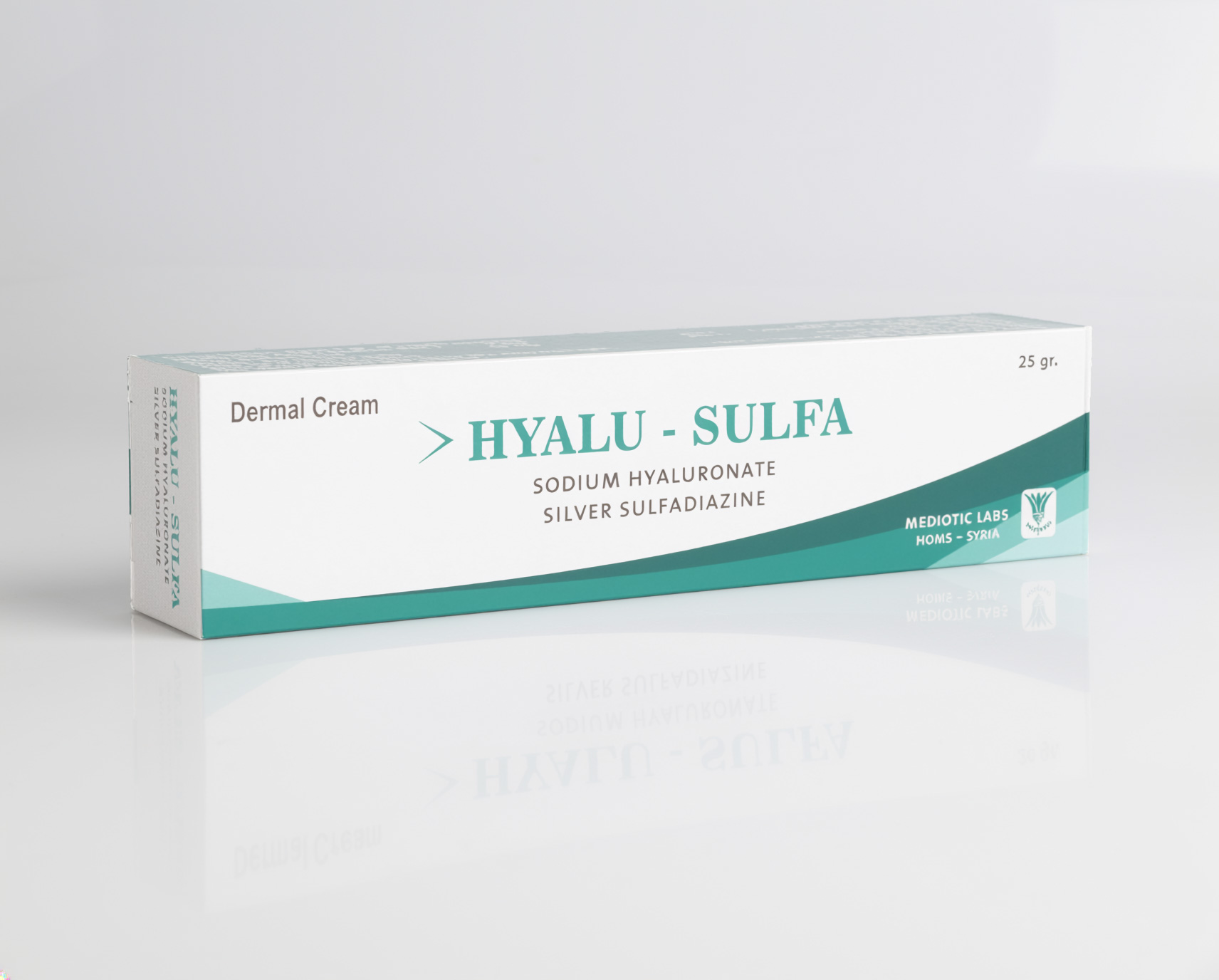
Hyalu sulfa

Mechanism of Action:

The cream improves the patient’s condition by performing the following functions:

  • Works on the cell membrane and the cell wall and inhibits various bacterial

metabolic processes.

Indications:

This cream is indicated for the management of skin lesions, especially those at high risk of infection. In particular, it is intended to cover acute and chronic wounds (first and second-degree burns, vascular and metabolic ulcers and pressure sores) and to provide a moist microbe-free wound environment.

This cream can be used on non-infected wounds to help in preventing infection and, following successful treatment of infected wounds, to help prevent the reoccurrence of infection.

Contraindications:

  • Acne
  • Hypersensitivity
  • Lactation
  • Neonates

Porphyria

Pregnancy

Do not administer to patients with ascertained individual hypersensitivity to the product components or with liver or renal failure or glucose-6-phosphate

dehydrogenase deficiency.

Do not administer to pregnant women and to babies.

Side-effects:

  • Rashes
  • Sulfonamide induced systemic toxicity
  • Interstitial inflammation of the kidneys

Allergic reactions

  • Transient decrease in the number of white blood cells
  • Skin discoloration
  • Burning sensation
  • Skin drying
  • Death of cells
  • renal failure, toxic hepatitis, agranulocytosis, thrombocytopenia, leukopeniaWarnings and Precautions:Discard after a month from the first opening.Avoid direct contact of the container with the wound.Each tube of the cream should be used by one patient only, in order to reduce the risk of cross infection.Avoid exposing treated areas to sunlight, as products containing silver sulfadiazine may stain skin brownish grey. Any staining can easily be removed by washing the

    area. Severe and extensive burns and ulcers must be treated under the supervision of a physician.

    Extensive or badly infected sores, such as those caused by bites and stings, need to be treated by a physician (risk of tetanus).

    It is advised to seek a physician in case the wound flaps are red, the wound is swollen and painful, and if the body temperature rises (risk of blood poisoning). Interactions:

    Do not use concomitantly with disinfectants containing quaternary ammonium salts or with locally applied proteolytic enzymes, because they can interact with the product. cream may interact with the following drugs and products:

    • Benzocaine

    Cetylpyridinium

    • Lidocaine

    Povidone-iodine

    • Sulfacetamide sodium
    • Tolbutamide Trimethoprim

    Dosage and Administration:

    The lesions should be cleansed prior to each application. Apply a thin layer of cream onto the wound surface, once or twice a day depending on the severity, until complete healing occurs. Prolonged treatments, over a month, should be assessed by a physician on the basis of the clinical evolution of the lesion. The treated area should be covered with a sterile bandage.

    Storage conditions:

    Keep out of reach of children.

    Store at room temperature, below 30°c, away from light.

    Use within 6 months after opening.

    Packaging:

    Aluminium tube contains 25 gram or 100 gram.

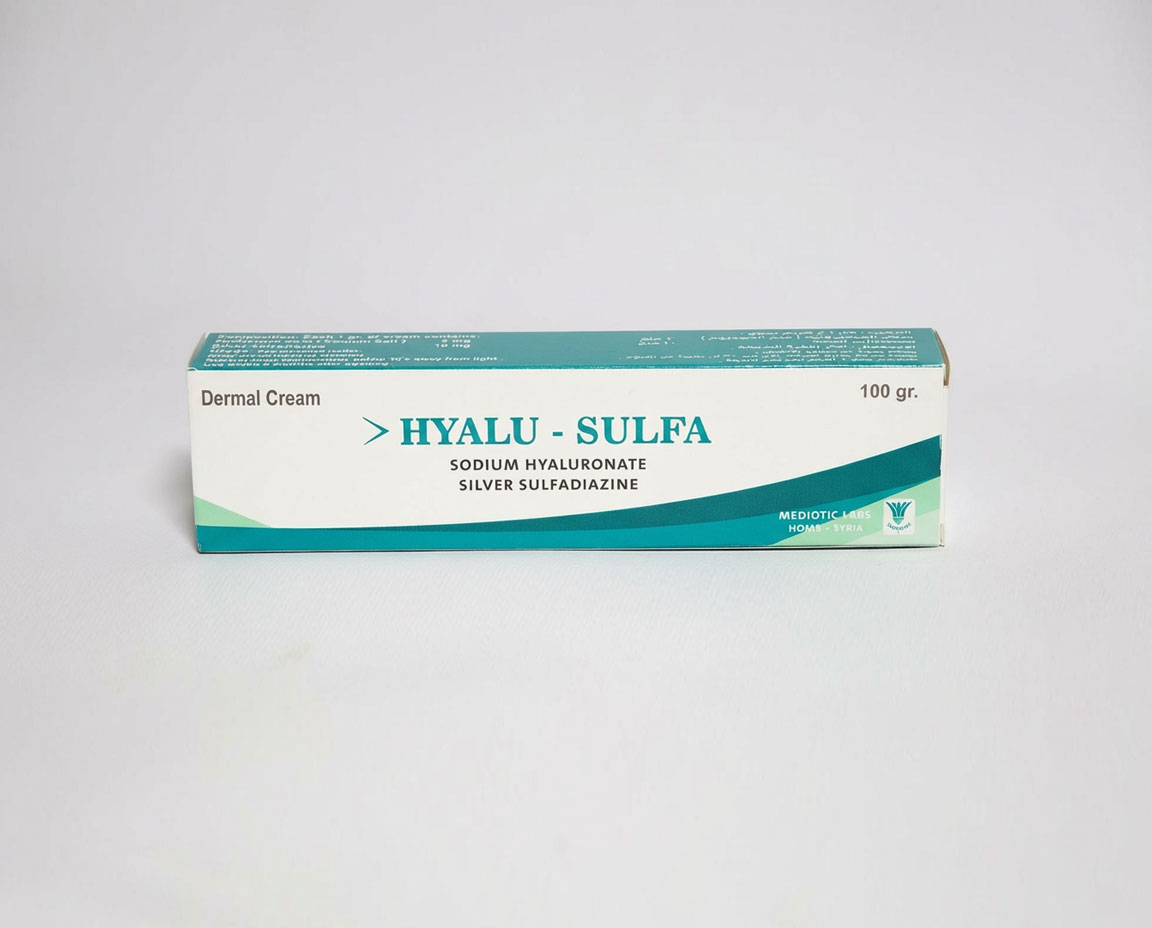
Hyalu sulfa

Mechanism of Action:

The cream improves the patient’s condition by performing the following functions:

  • Works on the cell membrane and the cell wall and inhibits various bacterial

metabolic processes.

Indications:

This cream is indicated for the management of skin lesions, especially those at high risk of infection. In particular, it is intended to cover acute and chronic wounds (first and second-degree burns, vascular and metabolic ulcers and pressure sores) and to provide a moist microbe-free wound environment.

This cream can be used on non-infected wounds to help in preventing infection and, following successful treatment of infected wounds, to help prevent the reoccurrence of infection.

Contraindications:

  • Acne
  • Hypersensitivity
  • Lactation
  • Neonates

Porphyria

Pregnancy

Do not administer to patients with ascertained individual hypersensitivity to the product components or with liver or renal failure or glucose-6-phosphate

dehydrogenase deficiency.

Do not administer to pregnant women and to babies.

Side-effects:

  • Rashes
  • Sulfonamide induced systemic toxicity
  • Interstitial inflammation of the kidneys

Allergic reactions

  • Transient decrease in the number of white blood cells
  • Skin discoloration
  • Burning sensation
  • Skin drying
  • Death of cells
  • renal failure, toxic hepatitis, agranulocytosis, thrombocytopenia, leukopeniaWarnings and Precautions:Discard after a month from the first opening.Avoid direct contact of the container with the wound.

    Each tube of the cream should be used by one patient only, in order to reduce the risk of cross infection.

    Avoid exposing treated areas to sunlight, as products containing silver sulfadiazine may stain skin brownish grey. Any staining can easily be removed by washing the

    area. Severe and extensive burns and ulcers must be treated under the supervision of a physician.

    Extensive or badly infected sores, such as those caused by bites and stings, need to be treated by a physician (risk of tetanus).

    It is advised to seek a physician in case the wound flaps are red, the wound is swollen and painful, and if the body temperature rises (risk of blood poisoning). Interactions:

    Do not use concomitantly with disinfectants containing quaternary ammonium salts or with locally applied proteolytic enzymes, because they can interact with the product. cream may interact with the following drugs and products:

    • Benzocaine

    Cetylpyridinium

    • Lidocaine

    Povidone-iodine

    • Sulfacetamide sodium
    • Tolbutamide Trimethoprim

    Dosage and Administration:

    The lesions should be cleansed prior to each application. Apply a thin layer of cream onto the wound surface, once or twice a day depending on the severity, until complete healing occurs. Prolonged treatments, over a month, should be assessed by a physician on the basis of the clinical evolution of the lesion. The treated area should be covered with a sterile bandage.

    Storage conditions:

    Keep out of reach of children.

    Store at room temperature, below 30°c, away from light.

    Use within 6 months after opening.

    Packaging:

    Aluminium tube contains 25 gram or 100 gram.

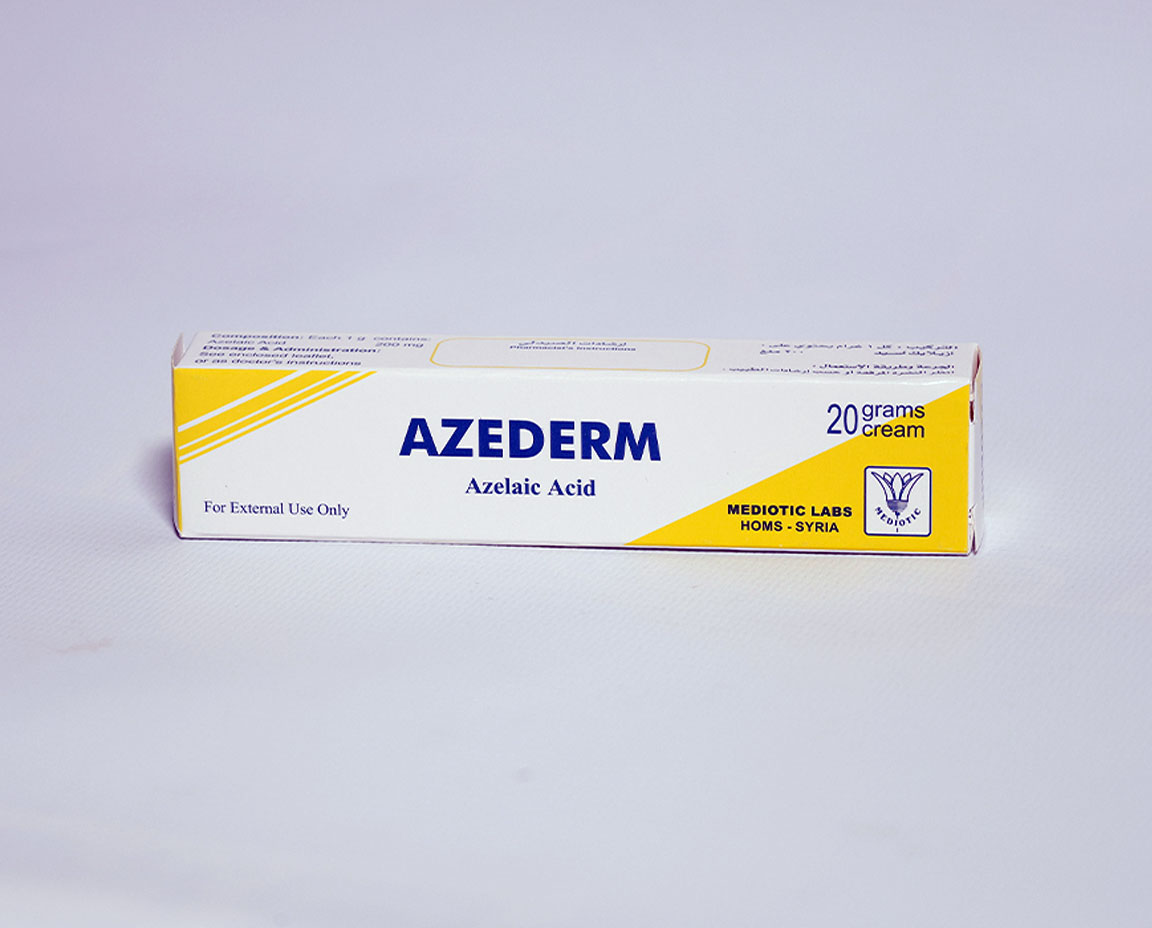
AZEDERM

Clinical pharmacology:

Azelaic acid demonstrated a reduction in the thickness of the stratum comeum, a reduction in number and size of keratohyaline granules.

Indications and usage:

Indicated for the topical treatment of mild-to-moderate inflammatory acne vulgaris.

Contraindications:

Contraindicated in individuals who have shown hypersensitivity to any of its components.

Warnings:

Azederm is indicated for dermatological use only and not for ophthalmic use. Use Azederm for the full-prescribed treatment period.

Avoid the use of occlusive dressings or wrappings.

Keep away from the mouth, eyes, and other mucous membranes. If Azederm comes into contact with the eyes, wash the eyes with large amounts of water and consult a physician if eye irritation persists.

This drug should be used during pregnancy only if clearly needed. Caution should be exercised when it is administered to a nursing mother.

Safety and effectiveness in pediatric patients less than 12 years of age have not been established.

Side effects:

Pruritus, burning, stinging, tingling, and peeling were rarely reported.

Dosage and administration:

After the skin is thoroughly washed and patted dry, a thin film of Azederm should be gently but thoroughly massaged into the effected areas twice daily, in the morning and evening.

Hands should be washed following application.

The duration of use can vary from person to person and depends on the severity of the acne.

Improvement of the condition occurs in the majority of patients with inflammatory lesions within four weeks.

Storage Conditions:

– Don’t freeze.

Store at temperature between (15-30)°C.

Packaging:

Aluminum tube containing 20 g of Azederm Cream.

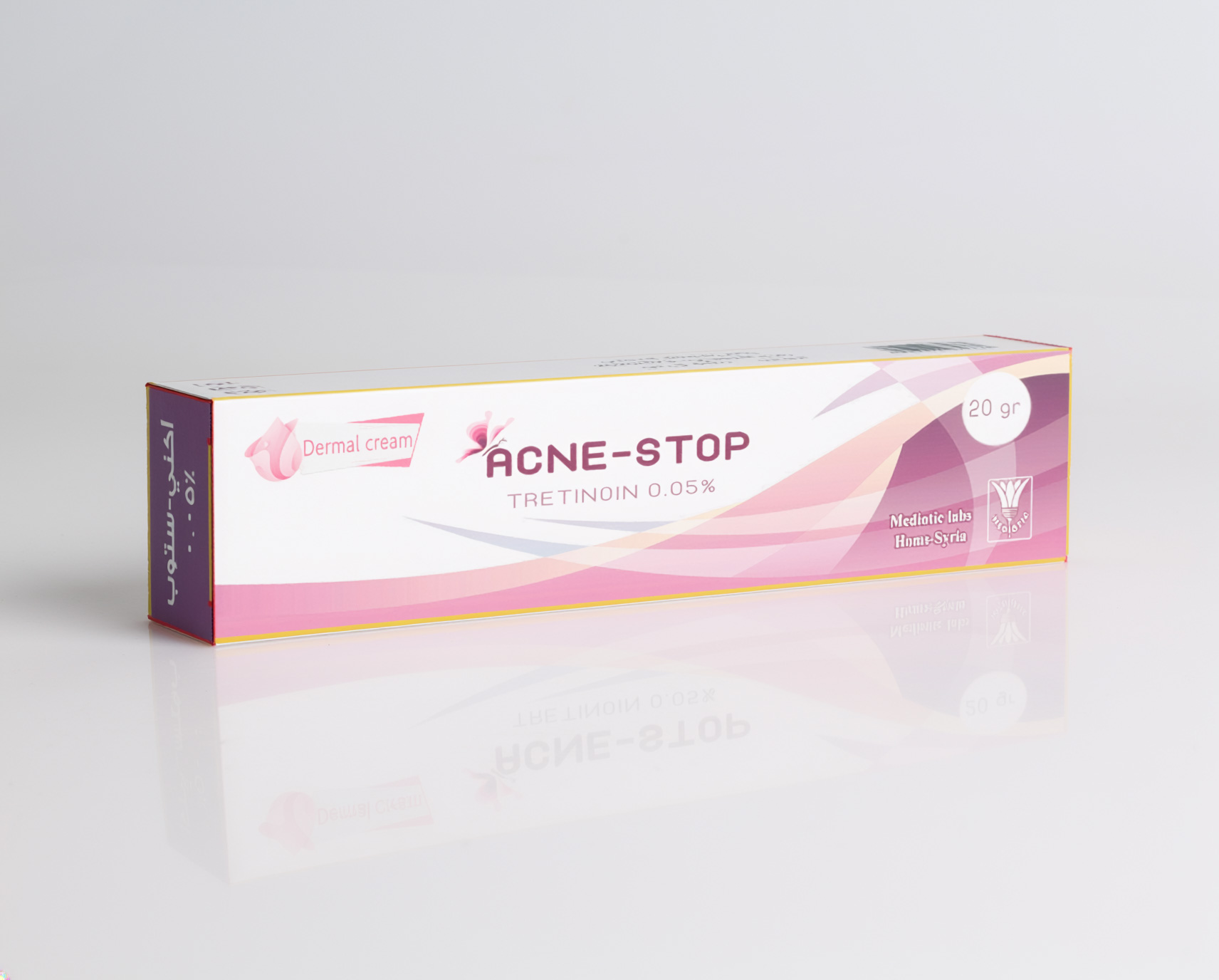
ACNE-STOP 0.05%

Excipients: stearic acid, isopropyl myristate, emulgin B2, propylene glycol, stearyl alcohol, xanthan gum, sorbic acid, Butylated Hydroxytoluene, purified water. CLINICAL PHARMACOLOGY:

Topical tretinoin decreases cohesiveness of follicular epithelial cells with decreased microcomedo formation. Additionally, tretinoin stimulates mitotic activity and increased turnover of follicular epithelial cells causing extrusion of the comedones.

INDICATIONS AND USE:

Tretinoin is indicated for topical application in the treatment of

Acne vulgaris.

. Other acnes (acneiform eruptions): drug-induced acnes induced by corticosteroids, barbiturates, etc.

  • Favre and Racouchot disease: cutaneous elastidosis with cysts and comedones. CONTRAINDICATIONS:

Use of the product should be discontinued if hypersensitivity to any of the ingredients is noted.

PRECAUTIONS:

If a reaction suggesting sensitivity or chemical irritation occurs, use of the medication should be discontinued. Exposure to sunlight, including sunlamps, should be minimized during the use of Tretinoin, and patients with sunburn should be advised not to use the product until fully recovered. Use of sunscreen products and protective clothing over treated areas is recommended when exposure cannot be avoided. Weather extremes, such as wind or cold, also may be irritating to patients under treatment with tretinoin. Tretinoin should be kept away from the eyes, the mouth, angles of the nose, and mucous membranes. Tretinoin has been reported to cause severe irritation on eczematous skin and should be used with utmost caution in patients with this condition. ADVERSE REACTIONS:

The skin of certain sensitive individuals may become excessively red, edematous, blistered. If these effects occur, the medication should either be discontinued until the integrity of the skin is restored, or the medication should be adjusted to a level the patient can tolerate. Temporary hyper- or hypopigmentation has been reported with repeated application of Tretinoin. 

DRUG INTERACTIONS:

Concomitant topical medication, medicated or abrasive soaps and cleansers, soaps and cosmetics that have a strong drying effect, and products with high concentrations of alcohol, astringents, spices or lime should be used with caution because of possible interaction with tretinoin. Particular caution should be exercised in using preparations containing sulfur, resorcinol, or salicylic acid with the drug. It also is advisable to “rest” a patient’s skin until the effects of such preparations subside before use of the drug is begun.

Pregnancy:

Pregnancy Category C

There are no adequate and well-controlled studies in pregnant women. Tretinoin should be used during pregnancy only if the potential benefit justifies the potential risk to the fetus.

Nursing Mothers

It is not known whether this drug is excreted in human milk. Because many drugs are excreted in human milk, caution should be exercised when the drug is administered to a nursing woman.

DOSE AND ADMINISTRATION:

Cream should be applied once a day, before retiring, to the skin where acne lesions appear, using enough to cover the entire affected area lightly.

During the early weeks of therapy, an apparent exacerbation of inflammatory lesions may occur. This is due to the action of the medication on deep, previously unseen lesions and should not be considered a reason to discontinue therapy.

Therapeutic results should be noticed after two to three weeks but more than six weeks of therapy may be required before definite beneficial effects are seen.

Once the acne lesions have responded satisfactorily, it may be possible to maintain the improvement with less frequent applications, or other dosage forms.

Patients treated with (tretinoin) acne treatment may use cosmetics, but the area to be treated should be cleansed thoroughly before the medication is applied.

OVERDOSAGE:

If medication is applied excessively, no more rapid or better results will be obtained and marked redness, peeling, or discomfort may occur. Oral ingestion of the drug may lead to the same side effects as those associated with excessive oral intake of Vitamin A. Presentation:

A tube contains 20 g of cream/carton box.

Storage condition:

Store at room temperature, (15-25)°C.

– For topical use only.

Prescription only medicine.

Keep out of reach of children.

– It is not given for pregnant woman.

MECOZALEN

CHEMICAL COMPOSITION: Each 1 gr. contains: 20 mg MICONAZOLE NITRATE.

Excipients: Glyceryl Monostearate, Cetostearyl Alcohol, Eumulgin B2, Vaseline, Liquid Paraffin, Glycerin, Methyl Paraben Sodium, Propyl Paraben Sodium, Deionized Water. PHARMACOLOGICAL CLASSIFICATION: Antifungal

MECHANISM OF ACTION:

Miconazole kills fungi and yeasts by interfering with their cell membranes. It works by stopping the fungi from producing a substance called ergosterol, which is an essential component of fungal cell membranes. The disruption in production of ergosterol disrupts the fungal cell membrane, causing holes to appear in it.

The cell membranes of fungi are vital for their survival.

INDICATIONS:

Treatment of most athlete’s foot, jock itch, and ringworm.

Relieves itching, burning, cracking, scaling and discomfort which accompany these conditions. CONTRAINDICATIONS:

In patient has hypersensitivity to the active ingredient or to the excipents.

In patients who never had a vaginal yeast infection diagnosed by a doctor.

SIDE EFFECTS:

Uncommon: Skin irritation (e.g. burning sensation, redness, warmth, itching) at the application site.

Pregnancy and breastfeeding:

  • MECOZALEN should be used with caution during pregnancy, and only if the expected benefit to the mother is greater than any possible risk to the developing baby. you should seek medical advice from your doctor before using this medicine if you are pregnant.
  • MECOZALEN should be used with caution by breastfeeding mothers, and only if the expected benefit to the mother is greater than any possible risk to the baby. you should seek medical advice from your doctor before using this medicine if you are breastfeeding. If you do use the cream while breastfeeding, you should not apply it to the skin of the breasts shortly before giving a feed, to avoid it being ingested by the nursing infant WARNINGS:
  1. Do not use MECOZALEN on children under 2 years of age except under the advice and supervision of a doctor. 2. For external use only.
  2. When using MECOZALEN avoid contact with eyes.
  3. Stop using MECOZALEN and ask a doctor
  • irritation occurs
  • there is no improvement within 4 weeks (for athlete’s foot and ringworm) or 2 weeks (for jock itch).

do not use for diaper rash

  1. If swallowed, get medical help

DRUG INTERACTIONS:

  • Miconazole is unlikely to be absorbed through the skin in sufficient amounts to significantly affect other medicines that you are taking by mouth.
  • if you are taking warfarin, there is a very small chance that miconazole absorbed from this cream may enhance the effect of the warfarin.
  • If you are using other topical medicines or moisturizers on the same area of skin it is recommended that you leave about 30 minutes between applying each product.

DOSAGE & ADMINISTRATION:

  • wash affected area and dry thoroughly

Apply a thin layer over affected area twice daily (morning and night) or as directed by a doctor

  • supervise children in the use of this product

 for athlete’s foot, pay special attention to spaces between the toes, wear well-fitting, ventilated shoes and change shoes and socks at least once a day, for athlete’s foot and ringworm use daily for 4 weeks, for jock itch use daily for 2 weeks

  • if conditions persist longer, ask a doctor
  • This product is not effective on the scalp or nails.

STORAGE:

Store at temperature below 25 °C.

Keep out of reach of children.

PACKAGE:

Aluminum tube contains 15 gr. MECOZALEN cream / carton box.

Aluminum tube contains 30 gr. MECOZALEN cream / carton box.

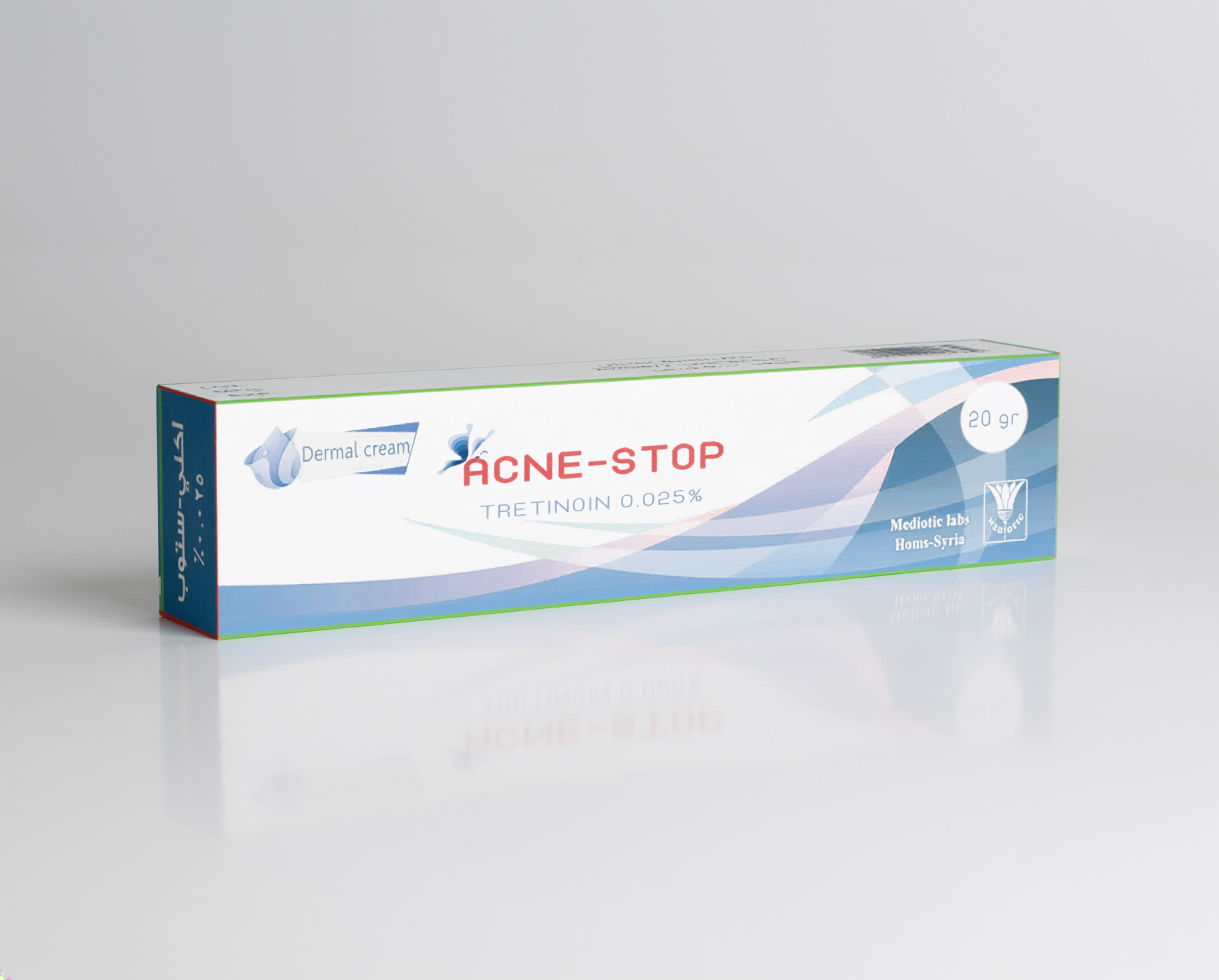
ACNE-STOP 0.025%

Excipients: stearic acid, isopropyl myristate, emulgin B2, propylene glycol, stearyl alcohol, xanthan gum, sorbic acid, Butylated Hydroxytoluene, purified water. CLINICAL PHARMACOLOGY:

Topical tretinoin decreases cohesiveness of follicular epithelial cells with decreased microcomedo formation. Additionally, tretinoin stimulates mitotic activity and increased turnover of follicular epithelial cells causing extrusion of the comedones.

INDICATIONS AND USE:

Tretinoin is indicated for topical application in the treatment of

Acne vulgaris.

. Other acnes (acneiform eruptions): drug-induced acnes induced by corticosteroids, barbiturates, etc.

  • Favre and Racouchot disease: cutaneous elastidosis with cysts and comedones. CONTRAINDICATIONS:

Use of the product should be discontinued if hypersensitivity to any of the ingredients is noted.

PRECAUTIONS:

If a reaction suggesting sensitivity or chemical irritation occurs, use of the medication should be discontinued. Exposure to sunlight, including sunlamps, should be minimized during the use of Tretinoin, and patients with sunburn should be advised not to use the product until fully recovered. Use of sunscreen products and protective clothing over treated areas is recommended when exposure cannot be avoided. Weather extremes, such as wind or cold, also may be irritating to patients under treatment with tretinoin. Tretinoin should be kept away from the eyes, the mouth, angles of the nose, and mucous membranes. Tretinoin has been reported to cause severe irritation on eczematous skin and should be used with utmost caution in patients with this condition. ADVERSE REACTIONS:

The skin of certain sensitive individuals may become excessively red, edematous, blistered. If these effects occur, the medication should either be discontinued until the integrity of the skin is restored, or the medication should be adjusted to a level the patient can tolerate. Temporary hyper- or hypopigmentation has been reported with repeated application of Tretinoin.

DRUG INTERACTIONS:

Concomitant topical medication, medicated or abrasive soaps and cleansers, soaps and cosmetics that have a strong drying effect, and products with high concentrations of alcohol, astringents, spices or lime should be used with caution because of possible interaction with tretinoin. Particular caution should be exercised in using preparations containing sulfur, resorcinol, or salicylic acid with the drug. It also is advisable to “rest” a patient’s skin until the effects of such preparations subside before use of the drug is begun.

Pregnancy:

Pregnancy Category C

There are no adequate and well-controlled studies in pregnant women. Tretinoin should be used during pregnancy only if the potential benefit justifies the potential risk to the fetus.

Nursing Mothers

It is not known whether this drug is excreted in human milk. Because many drugs are excreted in human milk, caution should be exercised when the drug is administered to a nursing woman.

DOSE AND ADMINISTRATION:

Cream should be applied once a day, before retiring, to the skin where acne lesions appear, using enough to cover the entire affected area lightly.

During the early weeks of therapy, an apparent exacerbation of inflammatory lesions may occur. This is due to the action of the medication on deep, previously unseen lesions and should not be considered a reason to discontinue therapy.

Therapeutic results should be noticed after two to three weeks but more than six weeks of therapy may be required before definite beneficial effects are seen.

Once the acne lesions have responded satisfactorily, it may be possible to maintain the improvement with less frequent applications, or other dosage forms.

Patients treated with (tretinoin) acne treatment may use cosmetics, but the area to be treated should be cleansed thoroughly before the medication is applied.

OVERDOSAGE:

If medication is applied excessively, no more rapid or better results will be obtained and marked redness, peeling, or discomfort may occur. Oral ingestion of the drug may lead to the same side effects as those associated with excessive oral intake of Vitamin A. Presentation:

A tube contains 20 g of cream/carton box.

Storage condition:

Store at room temperature, (15-25)°C.

– For topical use only.

Prescription only medicine.

Keep out of reach of children.

– It is not given for pregnant woman.

MECOZALEN

CHEMICAL COMPOSITION: Each 1 gr. contains: 20 mg MICONAZOLE NITRATE.

Excipients: Glyceryl Monostearate, Cetostearyl Alcohol, Eumulgin B2, Vaseline, Liquid Paraffin, Glycerin, Methyl Paraben Sodium, Propyl Paraben Sodium, Deionized Water. PHARMACOLOGICAL CLASSIFICATION: Antifungal

MECHANISM OF ACTION:

Miconazole kills fungi and yeasts by interfering with their cell membranes. It works by stopping the fungi from producing a substance called ergosterol, which is an essential component of fungal cell membranes. The disruption in production of ergosterol disrupts the fungal cell membrane, causing holes to appear in it.

The cell membranes of fungi are vital for their survival.

INDICATIONS:

Treatment of most athlete’s foot, jock itch, and ringworm.

Relieves itching, burning, cracking, scaling and discomfort which accompany these conditions. CONTRAINDICATIONS:

In patient has hypersensitivity to the active ingredient or to the excipents.

In patients who never had a vaginal yeast infection diagnosed by a doctor.

SIDE EFFECTS:

Uncommon: Skin irritation (e.g. burning sensation, redness, warmth, itching) at the application site.

Pregnancy and breastfeeding:

  • MECOZALEN should be used with caution during pregnancy, and only if the expected benefit to the mother is greater than any possible risk to the developing baby. you should seek medical advice from your doctor before using this medicine if you are pregnant.
  • MECOZALEN should be used with caution by breastfeeding mothers, and only if the expected benefit to the mother is greater than any possible risk to the baby. you should seek medical advice from your doctor before using this medicine if you are breastfeeding. If you do use the cream while breastfeeding, you should not apply it to the skin of the breasts shortly before giving a feed, to avoid it being ingested by the nursing infant WARNINGS:
  1. Do not use MECOZALEN on children under 2 years of age except under the advice and supervision of a doctor. 2. For external use only.
  2. When using MECOZALEN avoid contact with eyes.
  3. Stop using MECOZALEN and ask a doctor
  • irritation occurs
  • there is no improvement within 4 weeks (for athlete’s foot and ringworm) or 2 weeks (for jock itch).

do not use for diaper rash

  1. If swallowed, get medical help

DRUG INTERACTIONS:

  • Miconazole is unlikely to be absorbed through the skin in sufficient amounts to significantly affect other medicines that you are taking by mouth.
  • if you are taking warfarin, there is a very small chance that miconazole absorbed from this cream may enhance the effect of the warfarin.
  • If you are using other topical medicines or moisturizers on the same area of skin it is recommended that you leave about 30 minutes between applying each product.

DOSAGE & ADMINISTRATION:

  • wash affected area and dry thoroughly

Apply a thin layer over affected area twice daily (morning and night) or as directed by a doctor

  • supervise children in the use of this product

 for athlete’s foot, pay special attention to spaces between the toes, wear well-fitting, ventilated shoes and change shoes and socks at least once a day, for athlete’s foot and ringworm use daily for 4 weeks, for jock itch use daily for 2 weeks

  • if conditions persist longer, ask a doctor
  • This product is not effective on the scalp or nails.

STORAGE:

Store at temperature below 25 °C.

Keep out of reach of children.

PACKAGE:

Aluminum tube contains 15 gr. MECOZALEN cream / carton box.

Aluminum tube contains 30 gr. MECOZALEN cream / carton box.

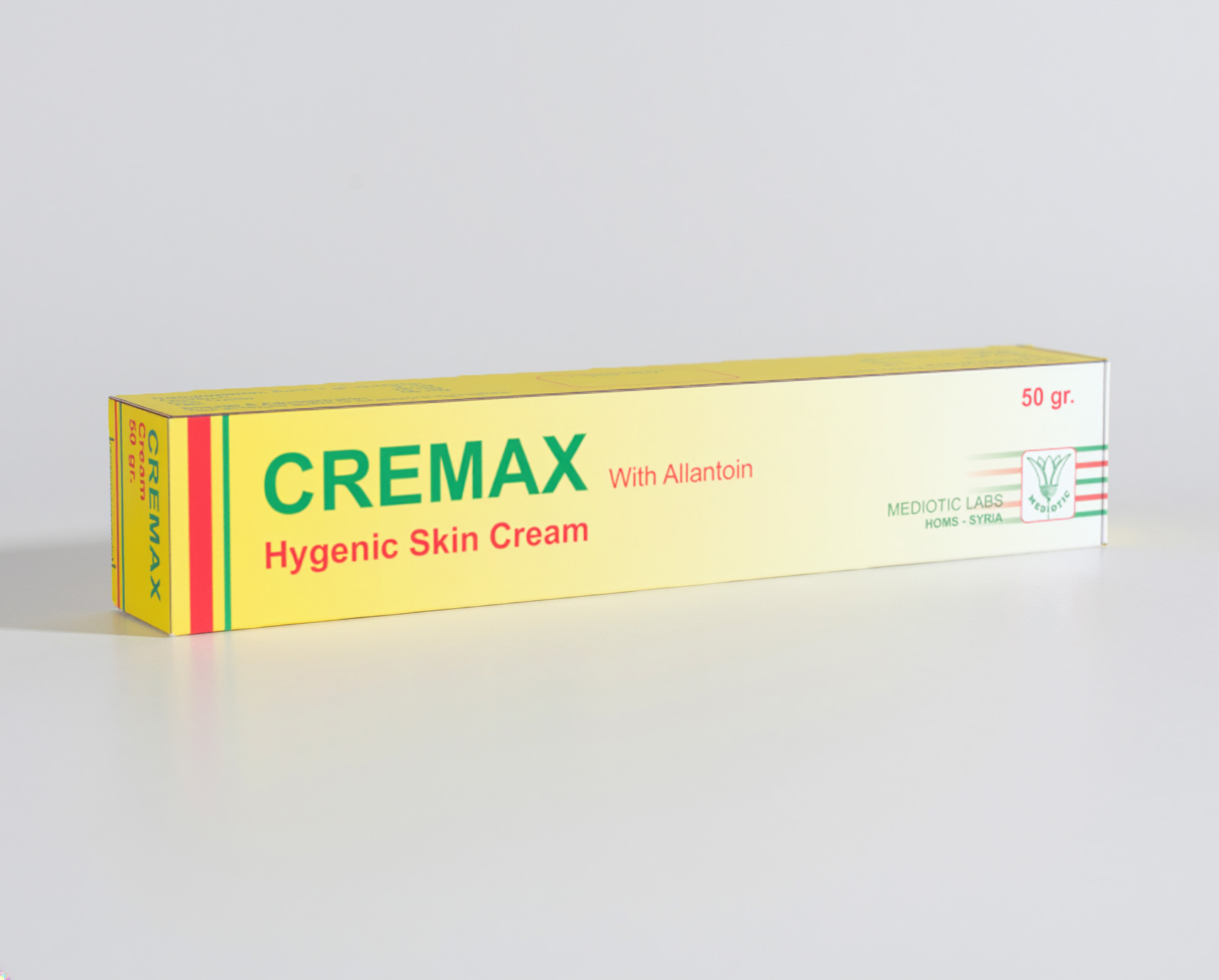
CREMAX

Properties:

SGS

Cremax Cream is comprehensive care to damaged skin; It has both restoring and moistening ability to sensitive and dry skin.

  • Allantoin: it has restoring effect, it is derivated from the oxidation of uric acid, and it is used topically to remove the damaged tissues.
  • Zinc oxide: it has a mildastringent effect and demonstrated success in restoring non-mixed superficial ulcerations, and it has a protective effect from Ultra Violet rays.
  • Talc: it has a hygroscopic effect.

Indications:

  • Wounds, superficial and resistant ulcerations.
  • Fissure of skin, hand and heel especially women after using detergents.
  • Irritation and redness of the skin of obese individuals and cases of thigh blisters of infants and children.
  • Protection from sunburns and redness resulting of Ultra Violet rays.

Cases of skin sensitivity.

Cases of breast fissure.

Side effects:

Cremax Cream is well tolerated and it has no side effects.

Dosage& administration:

  • Apply Cremax Cream twice daily to the affected area while rubbing gently. In cases of open wounds &burns: The wound should be totally cleaned first. • Breast-feeding mothers should cleanse the breast prior to feeding.

Storage:

Keep in temperature between (15-30)°C.

Presentation:

Aluminium tube contains 50gr. Cremax Cream / carton box.

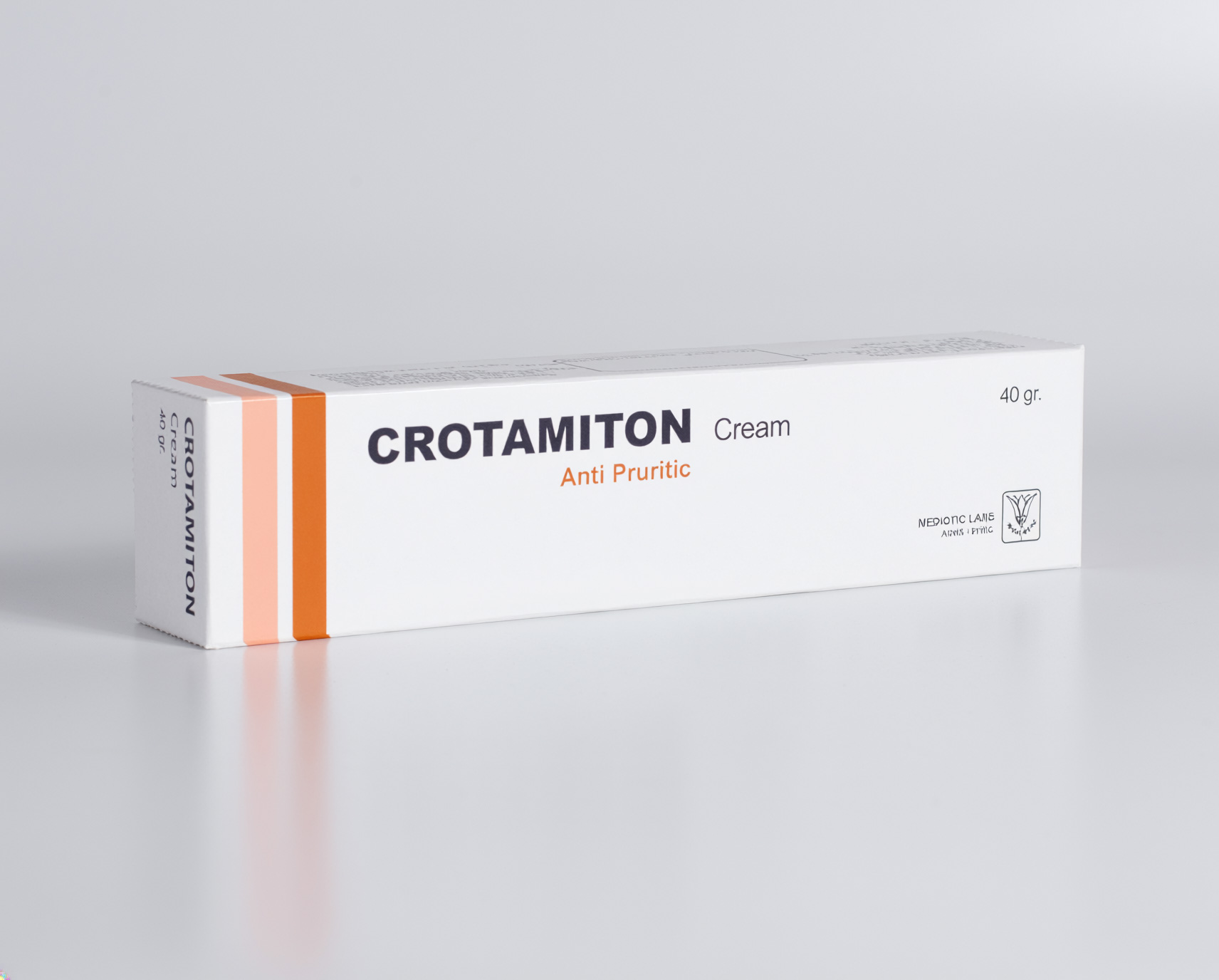
CROTAMITON

Excipients: Glyceryl Monostearate, Cetostearyl Alcohol, Emulgin B2, Vaseline, Methyl Paraben Sodium, Propyl Paraben Sodium, Deionized water.

PROPERTIES:

Crotamiton has a symptomatic action on pruritus and is an acaricide. As an acaricide agent, crotamiton is effective on the motor system of the mites by inducing irreversible cessation of spontaneous movements.

The Cream will provide relief from irritation for 6 to 10 hours after each application.

PHARMACOKINETIC PROPERTIES:

Crotamiton 10% Cream penetrates rapidly into human skin. Low but measurable concentrations of crotamiton are found in plasma, with a maximum level after 4-10 hours, declining rapidly thereafter.

INDICATIONS:

-For the relief of itching and skin irritation caused by sunburn, dry eczema, itchy dermatitis, allergic rashes, hives, nettle rash, chickenpox, insect bites and stings, heat rashes and personal itching.

-The treatment of scabies.

CONTRAINDICATIONS:

-Acute exudative dermatoses.

-Hypersensitivity to the active substance or to any of the excipients

PRECAUTIONS:

-For external use only.

-CROTAMITON cream can be used for children. However, for children under three years of age; usage should only be under medical supervision.

– CROTAMITON cream should not be used in buccal mucosa and in or around the eyes since contact with the eyelids may give rise to conjunctival inflammation.

-In case of accidental contact with the eyes, or buccal mucosa rinse thoroughly with running water.

-Should not be applied in the presence of exudative wounds, acute eczema, broken skin, or very inflamed skin.

-In the presence of eczematous scabies, eczema should be treated before the scabies.

– CROTAMITON cream contains stearyl alcohol which may cause local skin reactions (e.g. contact dermatitis) and methyl hydroxybenzoate which may cause allergic reactions (possibly delayed).

Pregnancy:

CROTAMITON cream is not recommended during pregnancy, especially in the first three months. Breastfeeding:

Mothers should not use CROTAMITON cream whilst breastfeeding unless directed by a physician. If the cream is used during breastfeeding it should not be applied to the nipple area

SIDE EFFECTS:

Skin and subcutaneous tissue disorders:

Uncommon: pruritus

Rare: contact dermatitis, hypersensitivity (including/like rash, eczema, erythema, skin irritation, angioedema) Treatment should be discontinued if sever irritation occurs.

DOSES:

Pruritus:

Adults (including the elderly):

Apply to the affected area 2 to 3 times daily.

CROTAMITON cream will provide relief from irritation for 6 to 10 hours after each application.

There are no special dosage recommendations in the elderly.

Paediatric population:

CROTAMITON cream can be used in children. However for children under three years of age usage should only be under medical supervision and it should not be applied more than once a day.

Scabies:

Adults (including the elderly):

After the patient has taken a warm bath, the skin should be well dried and CROTAMITON cream rubbed into the entire body surface (excluding the face and scalp) until no traces of the preparation remain visible on the surface. The application should be repeated once daily, preferably in the evening, for a total of 3-5 days.

Depending on the response, special attention should be paid to sites that are particularly susceptible to infestation by the mites (e.g. interdigital spaces, wrists, axillae and genitalia).

Areas where there is pus formation should be covered with a dressing impregnated with CROTAMITON cream. While the treatment is in progress the patient may take a bath shortly before the next application.

After completion of the treatment, a cleansing bath should be taken followed by a change of bed linen and underclothing.

There are no special dosage recommendations in the elderly.

Paediatric population:

CROTAMITON cream can be used in children. However, for children under three years of age usage should only be under medical supervision and it should not be applied more than once a day.

Method of administration: For cutaneous use.

STORAGE CONDITIONS:

Store at temperature below 25 °C.

Protect from light and moisture.

PACKAGING:

Aluminum tube contains 20 gr. CROTAMITON cream/Carton box.

Aluminum tube contains 40 gr. CROTAMITON cream/Carton box.