MENU

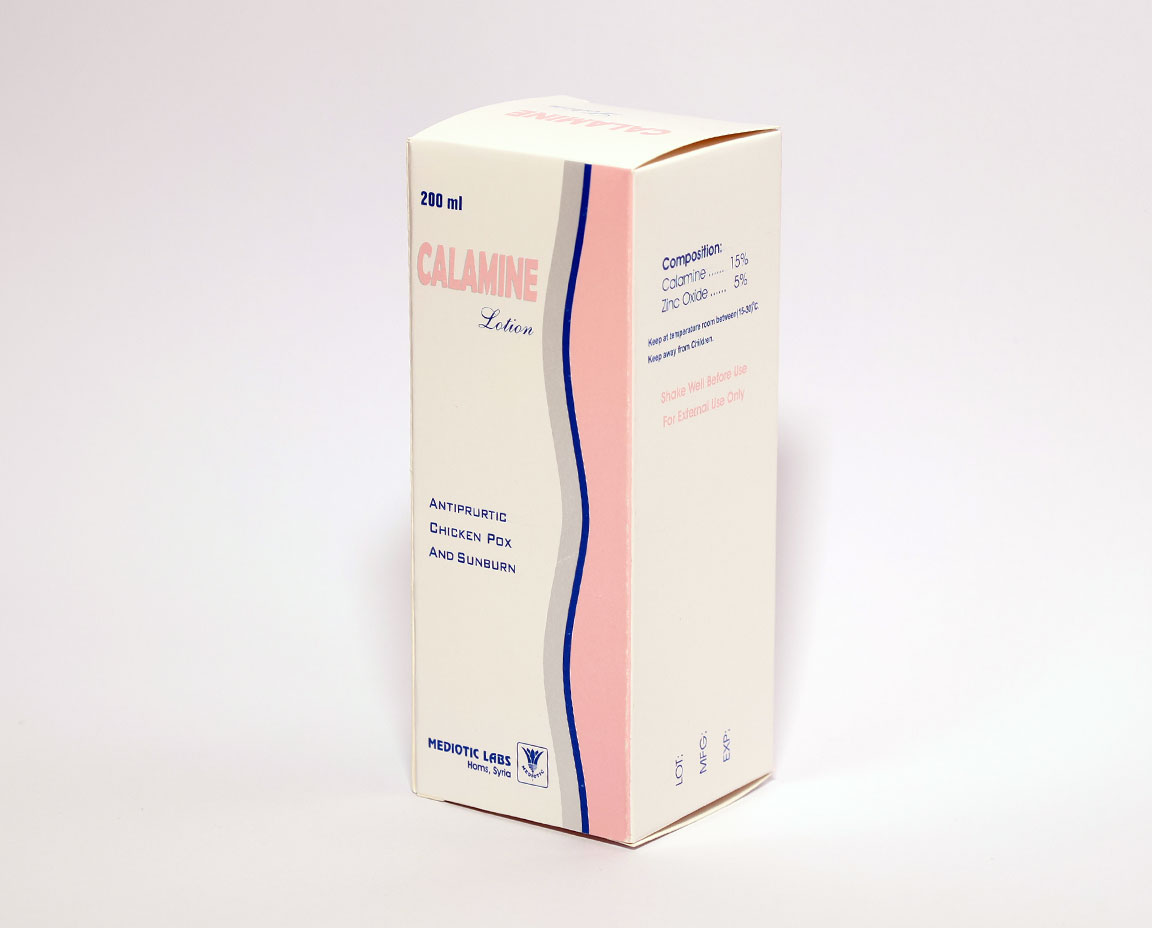
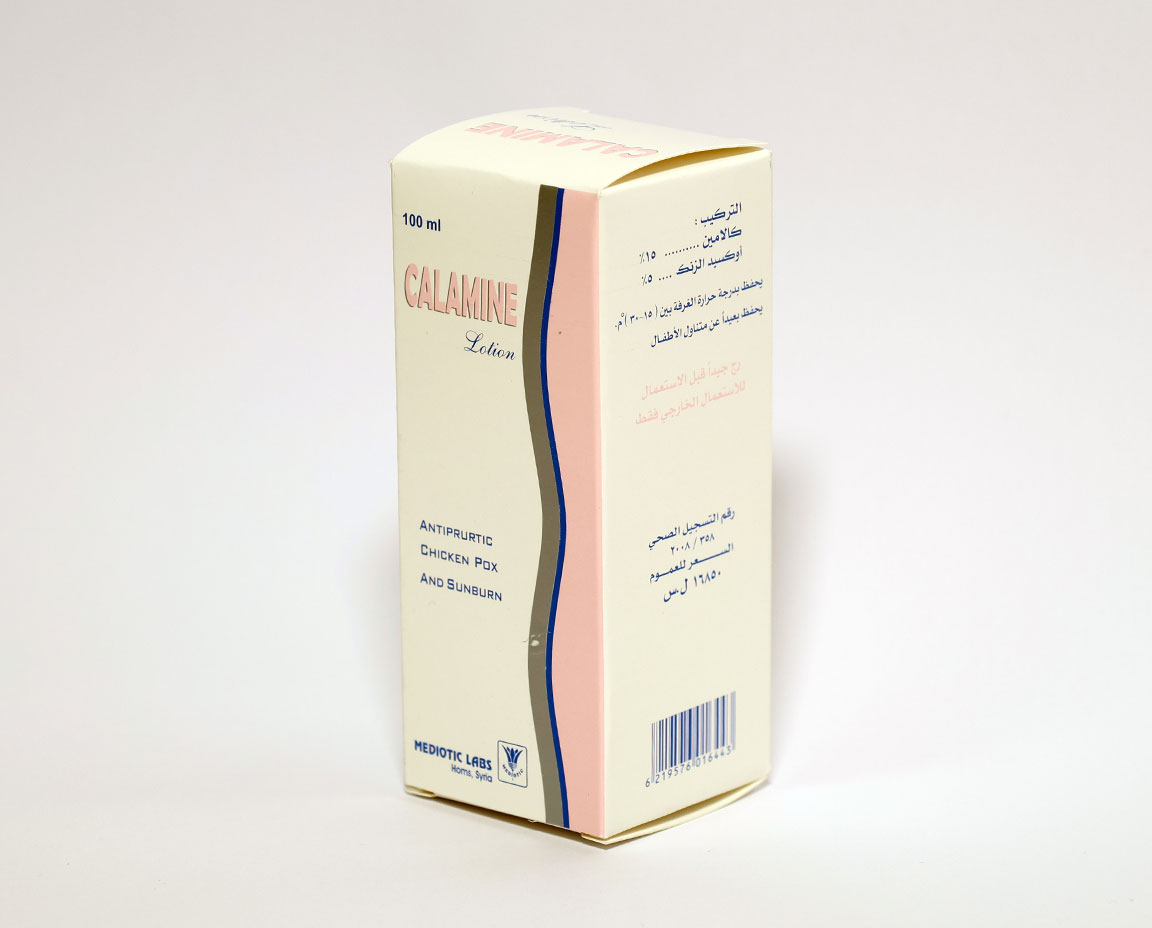
CALAMINE

CALAMINE has a mild astringent, antiseptic and antipruritic action.

It is widely employed in the treatment of skin diseases and infections such as eczema, impetigo, ringworm, pruritus, psoriasis, and varicose ulcers and chicken pox. It is used for relief of itching due to insect bites, or other minor skin irritations and as a soothing relief of mild sunburn.

Mode of use:

Cleanse skin with soap and water and dry affected area before each application.

Apply topically three or four times daily, for a period of (4-5 days) or as physician instructions.

Contraindications:

Sensitivity to any of the ingredients.

Warnings:

Keep out of reach of children.

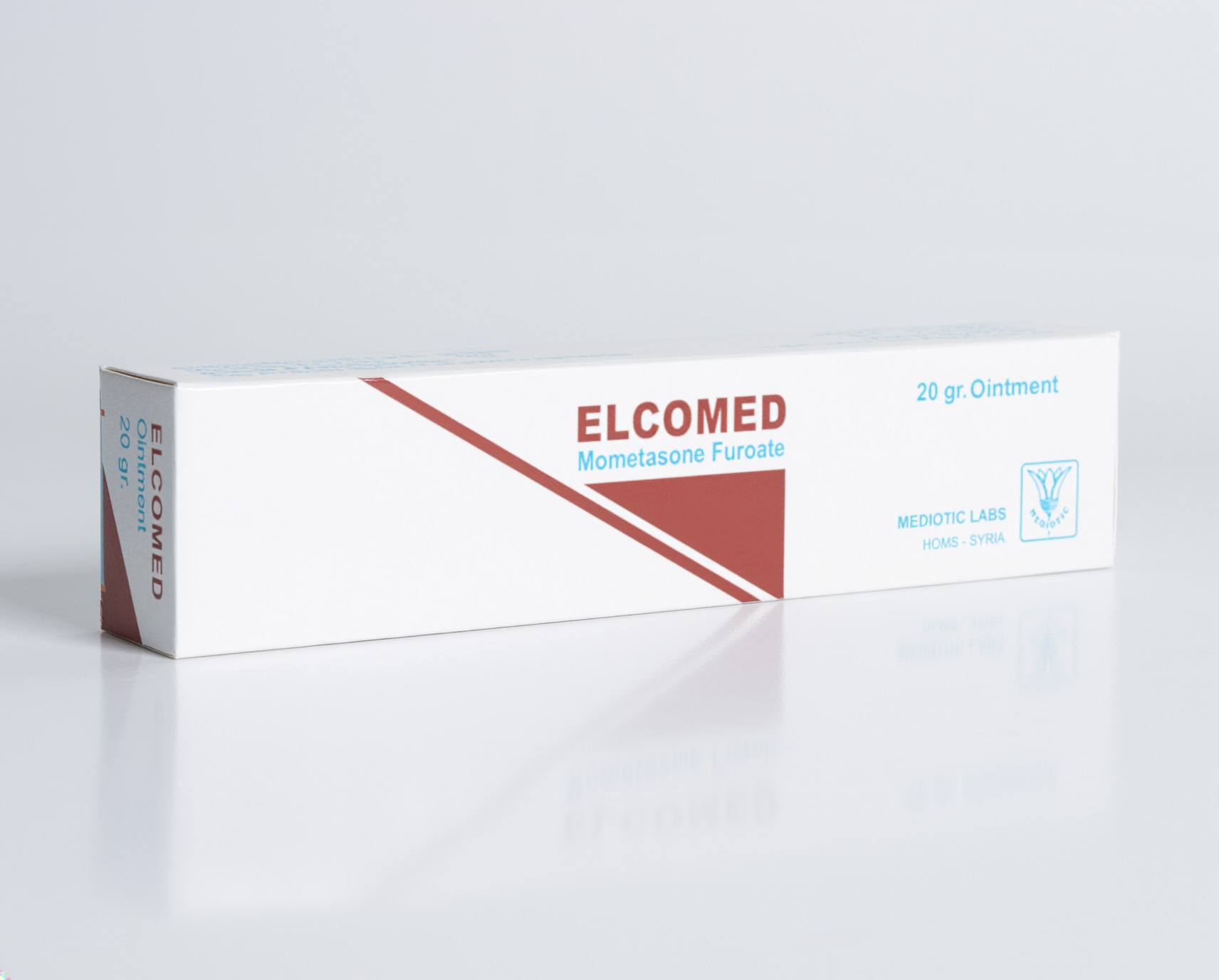
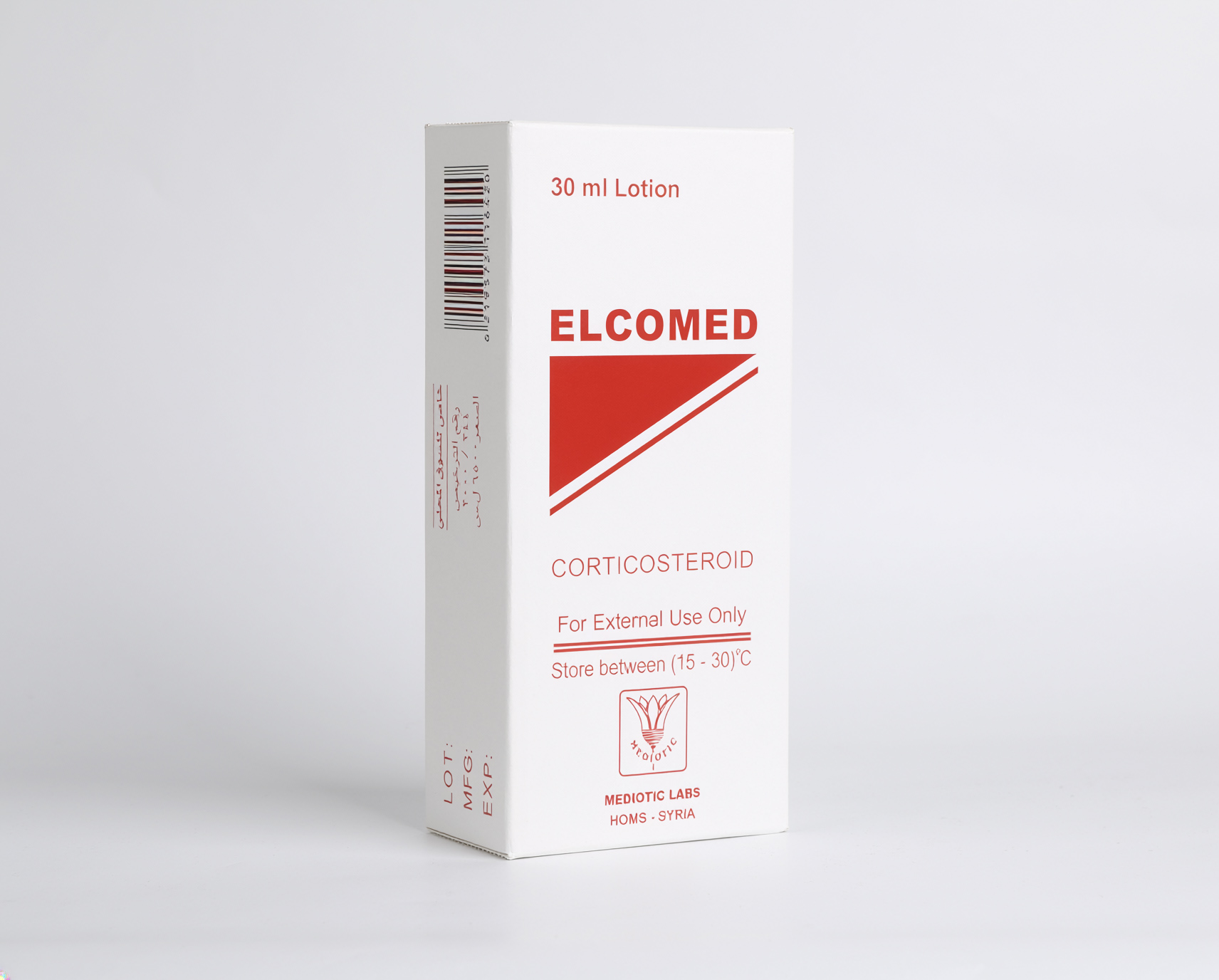
ELCOMED

Excipient:

Cream: Ethanol, Propylene Glycol, Hard Paraffin, Glyceryl Monostearate, Vaseline, Cetostearyl Alcohol, Emulgin B2, Deionized water.

Ointment: Ethanol, Propylene Glycol, Hard Paraffin, Glyceryl Monostearate, Vaseline, Cetostearyl Alcohol, Emulgin B2, Tween, Deionized water.

Lotion: Isopropyl Alcohol, Propylene Glycol, Sodium Dihydrogen Phosphate, Povidone, Deionized Water. PROPERTIES:

ELCOMED exhibits marked anti-inflammatory and anti-psoriatic activity in standard animal predictive models.

PHARMACOKINETICS:

Pharmacokinetic studies have indicated that systemic absorption following topical application of ELCOMED as ointment or cream 0.1% is minimal, approximately 0.4% of the applied dose in man, the majority of which is excreted within 72 hours following application.

INDICATIONS:

Cream and ointment: ELCOMED is indicated for treatment of inflammatory and pruritic manifestations of psoriasis (excluding widespread plaque psoriasis) and atopic dermatitis.

Lotion: ELCOMED is indicated for the treatment of inflammatory and pruritic manifestations of psoriasis and seborrhoeic dermatitis of the scalp.

CONTRAINDICATIONS:

ELCOMED is contraindicated in:

  • Facial rosacea, acne vulgaris, skin atrophy, perioral dermatitis, perianal and genital pruritis, napkin eruptions, bacterial (e.g. impetigo, pyodermas), viral (e.g. herpes simplex, herpes zoster and chickenpox, verrucae vulgares, condylomata acuminata, molluscum contagiosum), parasitical and fungal (e.g. candida or dermatophyte) infections, varicella, tuberculosis, syphilis or post-vaccine reactions.
  • Wounds or skin which is ulcerated.
  • In patients who are sensitive to mometasone furoate or to other corticosteroids or to any of the ingredients in this medicine.

WARNINGS and PRECAUTIONS:

  • If irritation or sensitization develops, treatment should be withdrawn and appropriate therapy instituted. • If a skin infection developed, an appropriate antifungal or antibacterial agent should be used. If a favorable response does not occur promptly, the corticosteroid should be discontinued until the infection is adequately controlled.
  • Systemic absorption of topical corticosteroids can produce reversible hypothalamic-pituitary-adrenal (HPA) axis suppression with the potential for glucocorticosteroid insufficiency after withdrawal of treatment. Manifestations of Cushing’s syndrome, hyperglycemia, and glucosuria can also be produced in some patients by systemic absorption of topical corticosteroids while on treatment. Patients applying a topical steroid to a large surface area or areas under occlusion should be evaluated periodically for evidence of HPA axis suppression.
  • Any of the side effects that are reported following systemic use of corticosteroids, including adrenal suppression, may also occur with topical corticosteroids, especially in infants and children.
  • Pediatric patients may be more susceptible to systemic toxicity from equivalent doses due to their larger skin surface to body mass ratios. As the safety and efficacy of mometasone furoate is indicated in pediatric patients below 2 years of age have not been established, its use in this age group is not recommended.
  • Local and systemic toxicity is common especially following long continued application on large areas of damaged skin, in flexures and with polythene occlusion. If used in childhood, or on the face, occlusion should not be used. If used on the face, courses should be limited to 5 days and occlusion should not be used.
  • Topical steroids may be hazardous in psoriasis for a number of reasons including rebound relapses following development of tolerance, risk of centralized pustular psoriasis and development of local or systemic toxicity due to impaired barrier function of the skin. If used in psoriasis careful patient supervision is important.
  • As with all potent topical glucocorticoids, sudden discontinuation of treatment should be avoided. When long term topical treatment with potent glucocorticoids is stopped, a rebound phenomenon can develop which takes the form of dermatitis with intense redness, stinging and burning. This can be prevented by slow reduction of the treatment, for instance continues treatment on an intermittent basis before discontinuing treatment.
    • Glucocorticoids can change the appearance of some lesions and make it difficult to establish an adequate diagnosis and can also delay the healing.
    • Mometasone furoate topical preparations are not for ophthalmic use, including the eyelids, because of the very rare risk of glaucoma simplex or subcapsular cataract.

    Pregnancy:

    During pregnancy and lactation, treatment with mometasone furoate should be performed only on the physician’s order. Then however, the application on large body surface areas or over a prolonged period should be avoided. As with all topically applied glucocorticoids, the possibility that fetal growth may be affected by glucocorticoid passage through the placental barrier should be considered. Mometasone furoate should be used in pregnant women only if the potential benefit justifies the potential risk to the mother or the fetus. Lactation:

    It is not known whether topical administration of corticosteroids could result in sufficient systemic absorption to produce detectable quantities in breast milk. Mometasone furoate should be administered to nursing mothers only after careful consideration of the benefit/risk relationship. If treatment with higher doses or long-term application is indicated, breast-feeding should be discontinued.

    SIDE EFFECTS:

    ⚫ side effects occur in very rare frequency: burning sensation, Pruritus

    ⚫ side effects occur in not known frequency Infection, furuncle, Paraesthesia, Dermatitis contact, skin hypopigmentation, hypertrichosis, skin striae, dermatitis acneiform, skin atrophy, Application site pain, application site reactions.

    • Local adverse reactions reported infrequently with topical dermatalogic corticosteroids include: skin dryness, irritation, dermatitis, perioral dermatitis, maceration of the skin, miliaria and telangiectasiae.
    • Pediatric patients: Pediatric patients may demonstrate greater susceptibility to topical corticosteroid induced hypothalamic-pituitary-adrenal axis suppression and Cushing’s syndrome than mature patients because of a larger skin surface area to body weight ratio. Chronic corticosteroids therapy may interfere with the growth and development of children.

    DOSAGE AND ADMINISTRATION:

    • Cream and ointment:

    Adults, including elderly patients and Children: A thin film should be applied to the affected areas of skin once daily. Use of a weaker corticosteroid is often advisable when there is a clinical improvement.

    Use of topical corticosteroids in the children aged 6 years and over or on the face should be limited to the least amount compatible with an effective therapeutic regimen and duration of treatment should be no more than 5 days.

    Children below 6 years: Mometasone Furoate is not recommended for use due to insufficient data on safety.

    • Lotion:

    Adults, including elderly patients and Children: A few drops should be applied to affected scalp sites, once daily; massage gently and thoroughly until the medication disappears.

    Use of topical corticosteroids in children should be limited to the least amount compatible with an effective therapeutic regimen and duration of treatment should be no more than 5 days.

    OVERDOSE:

    Excessive, prolonged use of topical corticosteroids can suppress hypothalamic-pituitary-adrenal function resulting in secondary adrenal insufficiency which is usually reversible.

    STORAGE CONDITIONS:

    Store at room temperature, between (15-30)°C.

    Keep out of reach of children.

    PACKAGING:

    Cream: Aluminum tube contains 20 gr. ELCOMED cream/carton box.

    Ointment: Aluminum tube contains 20 gr. ELCOMED ointment/carton box.

    Lotion: Plastic bottle contains 30 mL ELCOMED lotion/carton box.

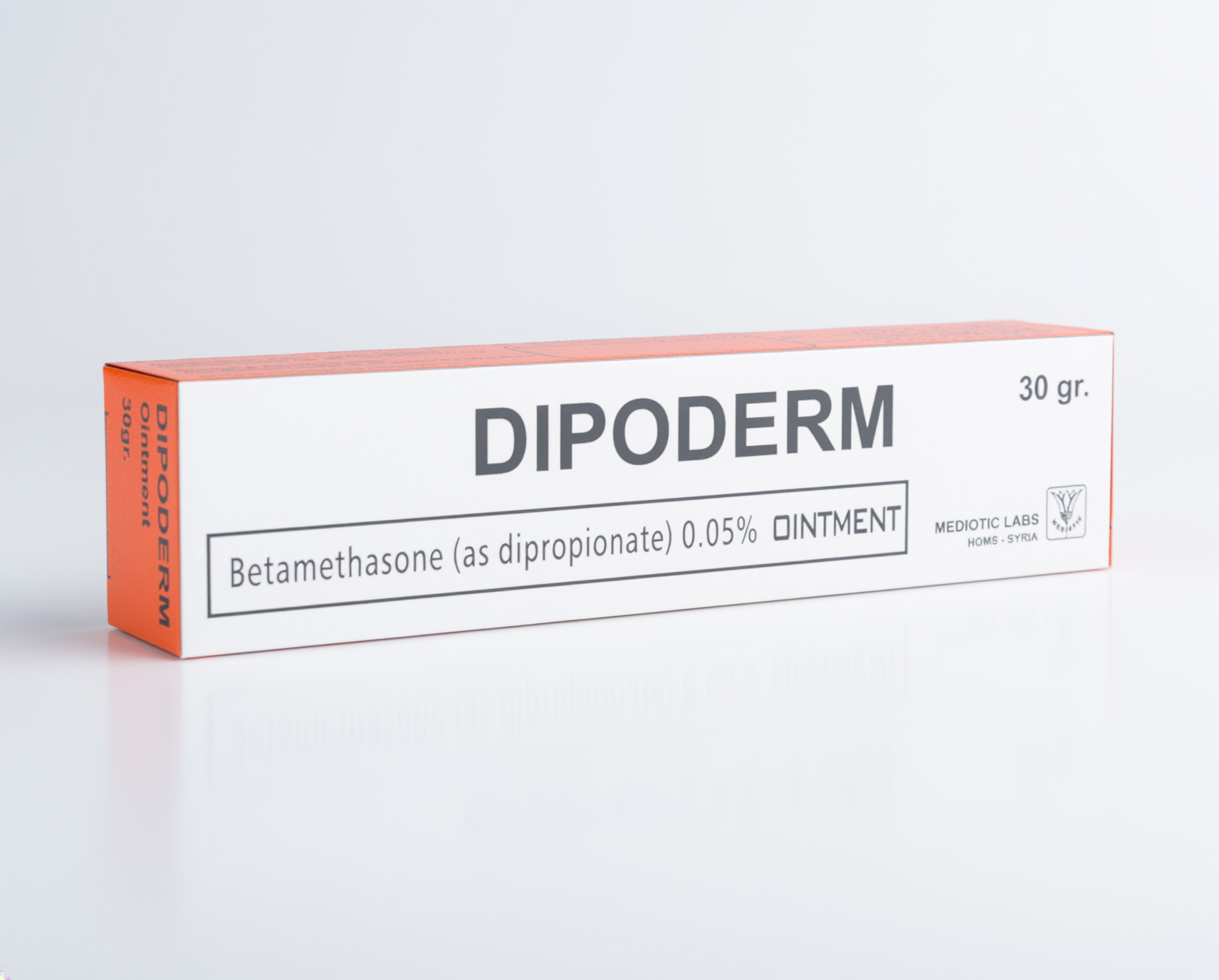
DIPOERM

PHARMACODYNAMIC PROPERTIES:

DIPODERM preparations contain the dipropionate ester of betamethasone which is a glucocorticoid exhibiting the general properties of corticosteroids.

In pharmacological doses, corticosteroids are used primarily for their anti-inflammatory and/or immune suppressive effects.

Topical corticosteroids such as betamethasone dipropionate are effective in the treatment of a range of dermatoses because of their anti-inflammatory, anti-pruritic and vasoconstrictive actions. However, while the physiologic, pharmacologic and clinical effects of the corticosteroids are well known, the exact mechanisms of their action in each disease are uncertain.

PHARMACOKINETIC

The extent of percutaneous absorption of topical corticosteroids is determined by many factors including vehicle, integrity of the epidermal barrier and the use of occlusive dressings.

Topical corticosteroids can be absorbed through intact, normal skin. Inflammation and/or other disease processes in the skin may increase percutaneous absorption.

Occlusive dressings substantially increase the percutaneous absorption of topical corticosteroids.

Once absorbed through the skin, topical corticosteroids enter pharmacokinetic pathways similar to systemically administered corticosteroids.

Corticosteroids are bound to plasma proteins in varying degrees, are metabolised primarily in the liver and excreted by the kidneys. Some of the topical corticosteroids and their metabolites are also excreted in the bile. INDICATIONS:

Betamethasone Dipropionate is a synthetic fluorinated corticosteroid. It is active topically and produces a rapid and sustained response in eczema and dermatitis of all types, including atopic eczema, photodermatitis. Lichen planus, lichen simplex, prurigonodularis, discoid lupus erythematosus, necrobiosislipoidica, pretibial myxodemea and erythroderma. It is also effective in the less responsive conditions such as psoriasis of the scalp and chronic plaque psoriasis of the hands and feet, but excluding widespread plaque psoriasis.

CONTRAINDICATIONS:

Rosacea, acne, perioral dermatitis, perianal and genital pruritus. Hypersensitivity to any of the ingredients of the DIPODERM presentations contra-indicates their use as does tuberculous and most viral lesions of the skin, particularly herpes simplex, vacinia, varicella. DIPODERM should not be used

in napkin eruptions, fungal or bacterial skin infections without suitable concomitant anti-infective therapy. DOSE AND METHOD OF ADMINISTRATION:

Adults and Children:

Once to twice daily. In most cases a thin film of DIPODERM should be applied to cover the affected area twice daily. For some patients adequate maintenance therapy may be achieved with less frequent application. DIPODERM Cream is especially appropriate for moist or weeping surfaces and the DIPODERM ointment for dry, lichenifield or scaly lesions but this is not invariably so Control over the dosage regimen may be achieved during intermittent and maintenance therapy by using DIPODERM (Cream or Ointment). Such control may be necessary in mild and improving dry skin conditions requiring low dose steroid treatment. WARNINGS AND PRECAUTIONS:

Local and systemic toxicity is common, especially following long continuous use on large areas of damaged skin, in flexures or with polythene occlusion. If used in children or on the face courses should be limited to 5 days. Long term continuous therapy should be avoided in all patients irrespective of age.

Occlusion must not be used.

Topical corticosteroids may be hazardous in psoriasis for a number of reasons, including rebound relapses following development of tolerance, risk of generalized pustular psoriasis and local systemic toxicity due to impaired barrier function of the skin. Careful patient supervision is important.

General: Systemic absorption of topical corticosteroids can produce reversible HPA axis suppression with the potential for glucocorticosteroid insufficiency after withdrawal of treatment. Manifestations of Cushing’s syndrome also can be produced in some patients by systemic absorption of topical corticosteroids while on treatment. Patients receiving a large dose of a potent topical steroid applied to

a large surface area should be evaluated periodically for evidence of HPA axis suppression. If HPA axis suppression is noted, an attempt should be made to withdraw the drug, to reduce the frequency

of application, or to substitute a less potent corticosteroid.

Recovery of HPA axis function is generally prompt and complete upon discontinuation of the drug. Infrequently, signs and symptoms of steroid withdrawal may occur, requiring supplemental systemic corticosteroids.

Any of the side effects that are reported following systemic use of corticosteroids, including adrenal suppression, may also occur with topical corticosteroids, especially in infants and children.

Paediatric patients may be more susceptible to systemic toxicity from equivalent doses due to their larger skin surface to body mass ratios.

If irritation develops, treatment should be discontinued and appropriate therapy instituted. DIPODERM is not for ophthalmic use.

Visual disturbance may be reported with systemic and topical (including, intranasal, inhaled and intraocular) corticosteroid use. If a patient presents with symptoms such as blurred vision or other visual disturbances, the patient should be considered for referral to an ophthalmologist for evaluation of possible causes of visual disturbances which may include cataract, glaucoma or rare diseases such as central serous chorioretinopathy (CSCR) which have been reported after use of systemic and topical corticosteroids.

Pediatric population:

Pediatric patients may demonstrate greater susceptibility to topical corticosteroid-induced HPA axis suppression and to exogenous corticosteroid-induced HPA axis suppression and to exogenous corticosteroid effects than adult patients because of greater absorption due to a larger skin surface area to body weight ratio. HPA axis suppression, Cushing’s syndrome and intracranial hypertension have been reported in paediatric patients receiving topical corticosteroids. Manifestations of adrenal suppression in paediatric patients include linear growth retardation, delayed weight gain, low plasma cortisol levels and an absence of response to ACTH stimulation. Manifestations of intracranial hypertension include a bulging fontanelle, headaches and bilateral papilledema.

DRUG INTERACTIONS:

None stated.

Pregnancy and lactation:

There are no adequate and well controlled studies of the teratogenic potential of topically applied corticosteroids in pregnant women. Therefore topical steroids should be used during pregnancy only if the potential benefit justifies the potential risk to the foetus.

It is not known whether topical administration of corticosteroids would result in sufficient systemic absorption to produce detectable quantities in breast milk. Systemically administered corticosteroids are secreted into breast milk in quantities not likely to have a deleterious effect on the infant. Nevertheless, a decision should be made whether to discontinue the drug, taking into account the importance of the drug to the mother.

Effects on ability to drive and use machines: None stated.

Undesirable effects:

DIPODERM preparations are generally well tolerated and side-effects are rare. The systemic absorption of betamethasone dipropionate may be increased if extensive body surface areas or skin folds are treated for prolonged periods or with excessive amounts of steroids. Suitable precautions should be taken in these circumstances, particularly with infants and children.

The following local adverse reactions that have been reported with the use of DIPODERM include: burning, itching, and irritation, dryness, folliculitis, hypertrichosis, acneiform eruptions, hypopigmentation, perioral dermatitis, and allergic contact dermatitis, maceration of the skin, secondary infection, striae and miliaria. Continuous application without interruption may result in local atrophy of the skin, striae and superficial vascular dilation, particularly on the face.

Vision blurred has been reported with corticosteroid use.

OVERDOSE:

Excessive prolonged use of topical corticosteroids can suppress pituitary-adrenal functions resulting in secondary adrenal insufficiency which is usually reversible. In such cases appropriate symptomatic treatment is indicated. If HPA axis suppression is noted, an attempt should be made to withdraw the drug, reduce the frequency of application, or to substitute a less potent steroid.

The steroid content of each tube is so low as to have little or no toxic effect in the unlikely event of accidental oral ingestion.

STORAGE CONDITIONS:

Store at room temperature below 25 °C.

PACKAGING:

Aluminum tube contains 10 gr. DIPODERM (cream, ointment)/carton box.

Aluminum tube contains 30 gr. DIPODERM (cream, ointment))/carton box..

ELCOMED

Excipient:

Cream: Ethanol, Propylene Glycol, Hard Paraffin, Glyceryl Monostearate, Vaseline, Cetostearyl Alcohol, Emulgin B2, Deionized water.

Ointment: Ethanol, Propylene Glycol, Hard Paraffin, Glyceryl Monostearate, Vaseline, Cetostearyl Alcohol, Emulgin B2, Tween, Deionized water.

Lotion: Isopropyl Alcohol, Propylene Glycol, Sodium Dihydrogen Phosphate, Povidone, Deionized Water. PROPERTIES:

ELCOMED exhibits marked anti-inflammatory and anti-psoriatic activity in standard animal predictive models.

PHARMACOKINETICS:

Pharmacokinetic studies have indicated that systemic absorption following topical application of ELCOMED as ointment or cream 0.1% is minimal, approximately 0.4% of the applied dose in man, the majority of which is excreted within 72 hours following application.

INDICATIONS:

Cream and ointment: ELCOMED is indicated for treatment of inflammatory and pruritic manifestations of psoriasis (excluding widespread plaque psoriasis) and atopic dermatitis.

Lotion: ELCOMED is indicated for the treatment of inflammatory and pruritic manifestations of psoriasis and seborrhoeic dermatitis of the scalp.

CONTRAINDICATIONS:

ELCOMED is contraindicated in:

  • Facial rosacea, acne vulgaris, skin atrophy, perioral dermatitis, perianal and genital pruritis, napkin eruptions, bacterial (e.g. impetigo, pyodermas), viral (e.g. herpes simplex, herpes zoster and chickenpox, verrucae vulgares, condylomata acuminata, molluscum contagiosum), parasitical and fungal (e.g. candida or dermatophyte) infections, varicella, tuberculosis, syphilis or post-vaccine reactions.
  • Wounds or skin which is ulcerated.
  • In patients who are sensitive to mometasone furoate or to other corticosteroids or to any of the ingredients in this medicine.

WARNINGS and PRECAUTIONS:

  • If irritation or sensitization develops, treatment should be withdrawn and appropriate therapy instituted. • If a skin infection developed, an appropriate antifungal or antibacterial agent should be used. If a favorable response does not occur promptly, the corticosteroid should be discontinued until the infection is adequately controlled.
  • Systemic absorption of topical corticosteroids can produce reversible hypothalamic-pituitary-adrenal (HPA) axis suppression with the potential for glucocorticosteroid insufficiency after withdrawal of treatment. Manifestations of Cushing’s syndrome, hyperglycemia, and glucosuria can also be produced in some patients by systemic absorption of topical corticosteroids while on treatment. Patients applying a topical steroid to a large surface area or areas under occlusion should be evaluated periodically for evidence of HPA axis suppression.
  • Any of the side effects that are reported following systemic use of corticosteroids, including adrenal suppression, may also occur with topical corticosteroids, especially in infants and children.
  • Pediatric patients may be more susceptible to systemic toxicity from equivalent doses due to their larger skin surface to body mass ratios. As the safety and efficacy of mometasone furoate is indicated in pediatric patients below 2 years of age have not been established, its use in this age group is not recommended.
  • Local and systemic toxicity is common especially following long continued application on large areas of damaged skin, in flexures and with polythene occlusion. If used in childhood, or on the face, occlusion should not be used. If used on the face, courses should be limited to 5 days and occlusion should not be used.
  • Topical steroids may be hazardous in psoriasis for a number of reasons including rebound relapses following development of tolerance, risk of centralized pustular psoriasis and development of local or systemic toxicity due to impaired barrier function of the skin. If used in psoriasis careful patient supervision is important.
  • As with all potent topical glucocorticoids, sudden discontinuation of treatment should be avoided. When long term topical treatment with potent glucocorticoids is stopped, a rebound phenomenon can develop which takes the form of dermatitis with intense redness, stinging and burning. This can be prevented by slow reduction of the treatment, for instance continues treatment on an intermittent basis before discontinuing treatment.
    • Glucocorticoids can change the appearance of some lesions and make it difficult to establish an adequate diagnosis and can also delay the healing.
    • Mometasone furoate topical preparations are not for ophthalmic use, including the eyelids, because of the very rare risk of glaucoma simplex or subcapsular cataract.

    Pregnancy:

    During pregnancy and lactation, treatment with mometasone furoate should be performed only on the physician’s order. Then however, the application on large body surface areas or over a prolonged period should be avoided. As with all topically applied glucocorticoids, the possibility that fetal growth may be affected by glucocorticoid passage through the placental barrier should be considered. Mometasone furoate should be used in pregnant women only if the potential benefit justifies the potential risk to the mother or the fetus. Lactation:

    It is not known whether topical administration of corticosteroids could result in sufficient systemic absorption to produce detectable quantities in breast milk. Mometasone furoate should be administered to nursing mothers only after careful consideration of the benefit/risk relationship. If treatment with higher doses or long-term application is indicated, breast-feeding should be discontinued.

    SIDE EFFECTS:

    ⚫ side effects occur in very rare frequency: burning sensation, Pruritus

    ⚫ side effects occur in not known frequency Infection, furuncle, Paraesthesia, Dermatitis contact, skin hypopigmentation, hypertrichosis, skin striae, dermatitis acneiform, skin atrophy, Application site pain, application site reactions.

    • Local adverse reactions reported infrequently with topical dermatalogic corticosteroids include: skin dryness, irritation, dermatitis, perioral dermatitis, maceration of the skin, miliaria and telangiectasiae.
    • Pediatric patients: Pediatric patients may demonstrate greater susceptibility to topical corticosteroid induced hypothalamic-pituitary-adrenal axis suppression and Cushing’s syndrome than mature patients because of a larger skin surface area to body weight ratio. Chronic corticosteroids therapy may interfere with the growth and development of children.

    DOSAGE AND ADMINISTRATION:

    • Cream and ointment:

    Adults, including elderly patients and Children: A thin film should be applied to the affected areas of skin once daily. Use of a weaker corticosteroid is often advisable when there is a clinical improvement.

    Use of topical corticosteroids in the children aged 6 years and over or on the face should be limited to the least amount compatible with an effective therapeutic regimen and duration of treatment should be no more than 5 days.

    Children below 6 years: Mometasone Furoate is not recommended for use due to insufficient data on safety.

    • Lotion:

    Adults, including elderly patients and Children: A few drops should be applied to affected scalp sites, once daily; massage gently and thoroughly until the medication disappears.

    Use of topical corticosteroids in children should be limited to the least amount compatible with an effective therapeutic regimen and duration of treatment should be no more than 5 days.

    OVERDOSE:

    Excessive, prolonged use of topical corticosteroids can suppress hypothalamic-pituitary-adrenal function resulting in secondary adrenal insufficiency which is usually reversible.

    STORAGE CONDITIONS:

    Store at room temperature, between (15-30)°C.

    Keep out of reach of children.

    PACKAGING:

    Cream: Aluminum tube contains 20 gr. ELCOMED cream/carton box.

    Ointment: Aluminum tube contains 20 gr. ELCOMED ointment/carton box.

    Lotion: Plastic bottle contains 30 mL ELCOMED lotion/carton box.

CALAMINE

CALAMINE has a mild astringent, antiseptic and antipruritic action.

It is widely employed in the treatment of skin diseases and infections such as eczema, impetigo, ringworm, pruritus, psoriasis, and varicose ulcers and chicken pox. It is used for relief of itching due to insect bites, or other minor skin irritations and as a soothing relief of mild sunburn.

Mode of use:

Cleanse skin with soap and water and dry affected area before each application.

Apply topically three or four times daily, for a period of (4-5 days) or as physician instructions.

Contraindications:

Sensitivity to any of the ingredients.

Warnings:

Keep out of reach of children.

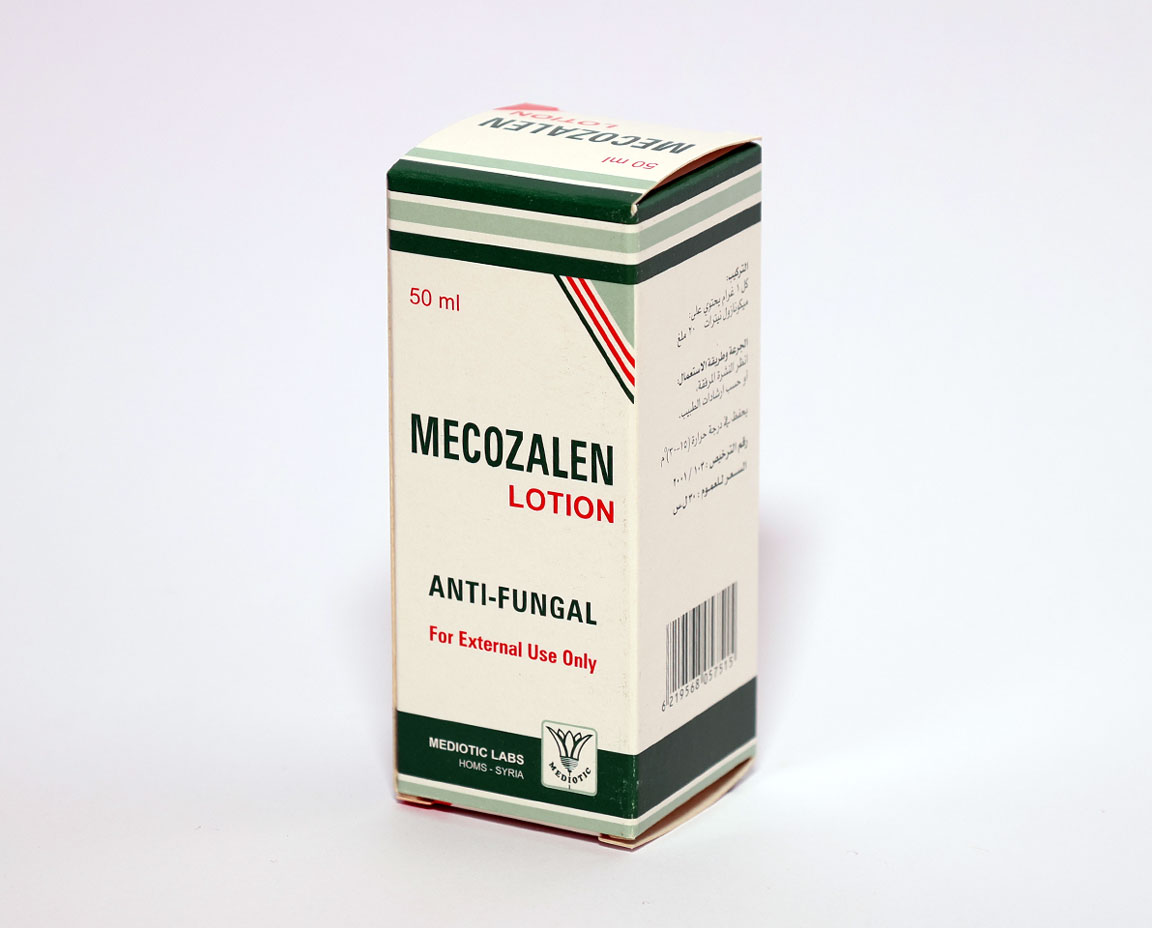
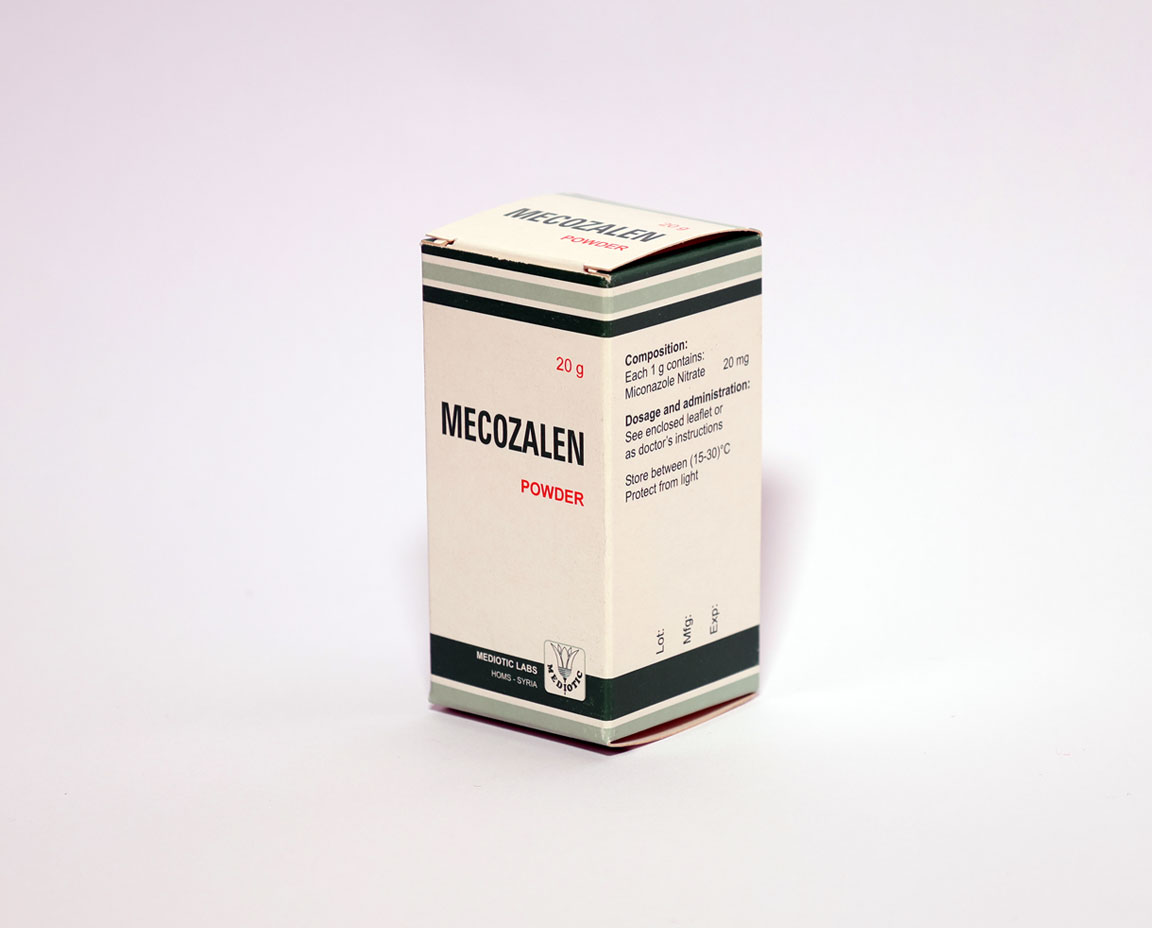
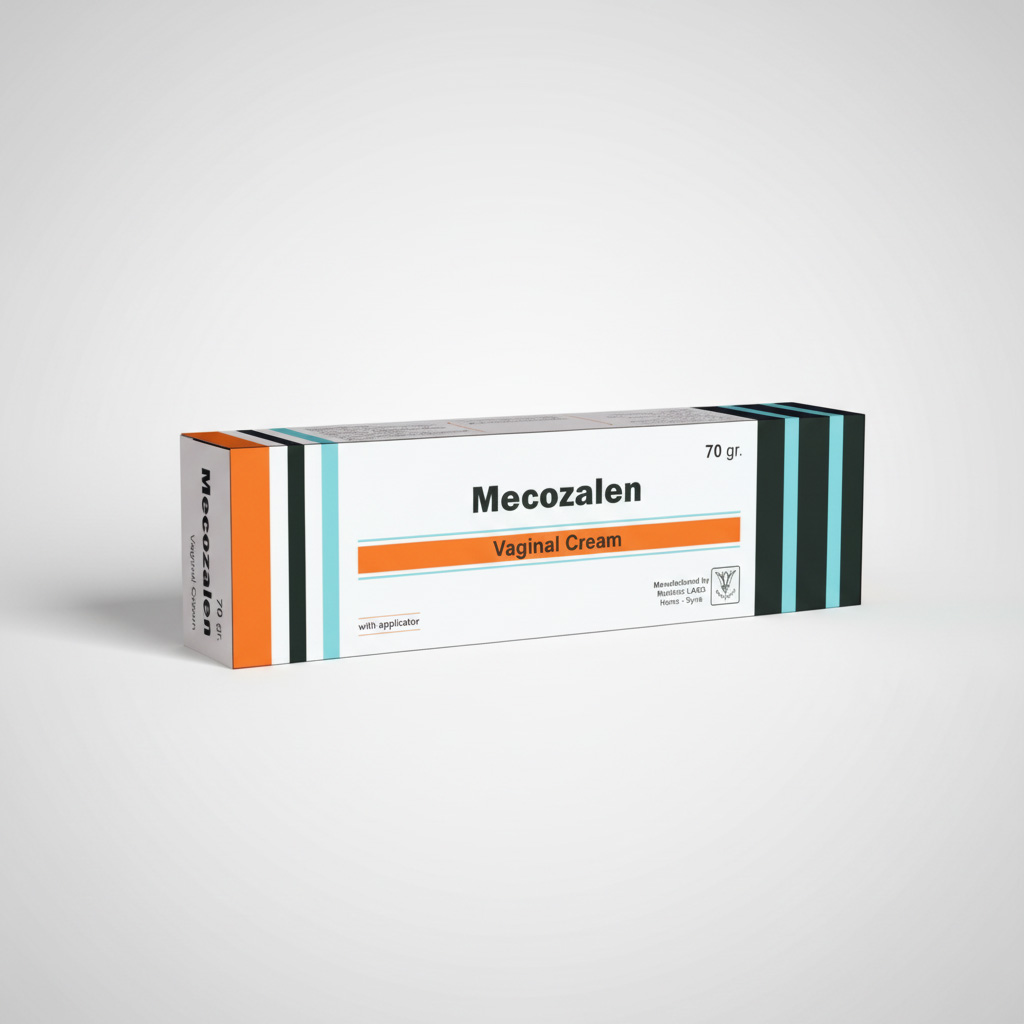
MECOZALEN

Chemical Composition: Each vaginal Suppository contains Metronidazol 500 mg, Miconazole Nitrate 100mg.

Excipients: Hydrogenated vegetable oil,Aerosil.

PHARMACODYNAMICS:

This product contains miconazole for antifungal, metronidazole for antibacterial and antitrichomonal effects. Miconazole nitrate which is an antifungal has a wide spectrum of activity and is particularly effective against pathogen fungi including Candida albicans. In addition, miconazole nitrate is effective against Gram (+) bacteria. Metronidazole is an antibacterial and antiprotozoal agent that is effective against Gardenella vaginalis and against anaerobic bacteria including anaerobic streptococci and Trichomonas vaginalis.

PHARMACOKINETICS:

Absorption of miconazole nitrate through the intravaginal route is very low (approximately 1.4% of dose). Bioavailability of metronidazole by this route is 20% compared to the oral route. Miconazole nitrate cannot be detected in plasma after vaginal application of the suppository. Steady state level of metronidazole in plasma reaches 1.6 – 7.2 μg/ml. Metronidazole is metabolized in the liver. The hydroxyl- metabolite is effective. The half-life of metronidazole is 6- 11 hours. Approximately 20% of the dose is excreted unchanged in urine.

INDICATIONS:

Metronidazole + Miconazole nitrate vaginal suppository is used for local treatment of vaginalis infection with the involvement of certain fungi (eg Candida albicans), some bacteria and other pathogenic organisms (Trichomonas vaginalis). CONTRAINDICATIONS:

Metronidazole + Miconazole nitrate should not be used in the following cases: Hypersensitivity to any of the ingredients of the suppository.

  • Pregnancy (particularly in the first 3 months).

Severe problems with liver (liver function disorders including metabolic disease called “porphyria”.

  • Diseases of the nervous system.
  • Disturbances in the production of blood.

WARNINGS / PRECAUTIONS:

Alcohol should not be taken during the therapy and for at least 24-48 hours after the end of course of treatment because of the possibility of increased alcohol incompatibility.

The suppository should not be used together with the contraceptive diaphragms and condoms since the ovule base may affect the rubber, which may possibly break. Pregnancy and Lactation:

After the first three months of pregnancy, Metronidazole + Miconazole nitrate suppository can be used when considered essential by the doctor, but must be used under observation.

Breastfeeding is not allowed while using Metronidazole + Miconazole nitrate, since active ingredients pass into the milk. Breastfeeding may be started again 24-48 hours after the treatment is finished.

SIDE EFFECTS:

Vaginal Disorders: Vaginal irritation (burning, itching). Owing to the inflammation of the vaginal mucosa in vaginitis, vaginal irritation can be seen after the administration of the first suppository or towards the 3rd day of the treatment. These complaints disappear quickly when the treatment continues. If there is severe irritation, the physician should be informed because it may be necessary to stop the treatment. 

 Vaginal products should be avoided

  • Check with the doctor before use if vaginal yeast infections are frequent (such as once a

month or 3 in 6 months), it could be serious underlying medical cause, including (diabetes or a weakened immune system) or if the vaginal itching and discomfort is for the first time. Stop use and check with the doctor if

  • Symptoms do not get better in 3 days

Symptoms last more than 7 days

If the patient gets a rash or hives, abdominal pain, fever, chills, nausea, vomiting, or foul- smelling vaginal discharge, it could be more serious condition.

Laboratory Tests:

If there is a lack of response to Miconazole Vaginal Suppositories, appropriate microbiological studies should be repeated to confirm the diagnosis and rule out other pathogens. DRUG INTERACTION:

Miconazole administered systemically is known to inhibit CYP3A4/2C9. Due to the limited systemic availability after vaginal application, clinically interactions occur very rarely.

In patients on oral anticoagulants, such as warfarin, caution should be exercised and anticoagulant effect should be monitored because bleeding or bruising may occur

The effects and side effects of other drugs metabolized by CYP2C9 (e.g. oral hypoglycemics and phenytoin) and also CYP3A4 (e.g., simvastatin and lovastatin and calcium channel blockers such as dihydropyridines and verapamil), when co-administered with miconazole, can be increased and caution should be exercised.

Pregnancy and lactation:

Pregnancy: Although intravaginal absorption is limited, miconazole should be used in the first trimester of pregnancy only if the potential benefits outweigh the possible risks.

Breastfeeding: It is not known whether miconazole nitrate is excreted in human milk. Caution should be exercised when using miconazole during breastfeeding.

ADVERSE REACTIONS:

Very common: Genital pruritus, vaginal burning sensation, vulvovaginal discomfort.

Common: Rash, Dysmenorrhea.

Uncommon: pruritic rash, urticaria, headaches, itching or irritation, cramping.

Rare: hives.

OVERDOSE:

Symptoms: miconazole vaginal cream and ovules are intended for local application and not for oral use. In case of accidental ingestion, no problems are expected.

Treatment: In the event of accidental ingestion of large quantities, appropriate supportive care should be used.

STORAGE CONDITIONS:

Vaginal cream: Store at temperature between (15-25) °C

Vaginal suppositories: Store at temperature between (15-25) °C.

Keep out of reach of children.

PACKAGE:

Vaginal cream:

Aluminium tube contains 70 g MECOZALEN vaginal cream with an applicator/carton box. Vaginal Suppositories:

Carton MECOZALEN box contains 3 vaginal Suppositories.

Carton MECOZALEN box contains 6 vaginal Suppositories.

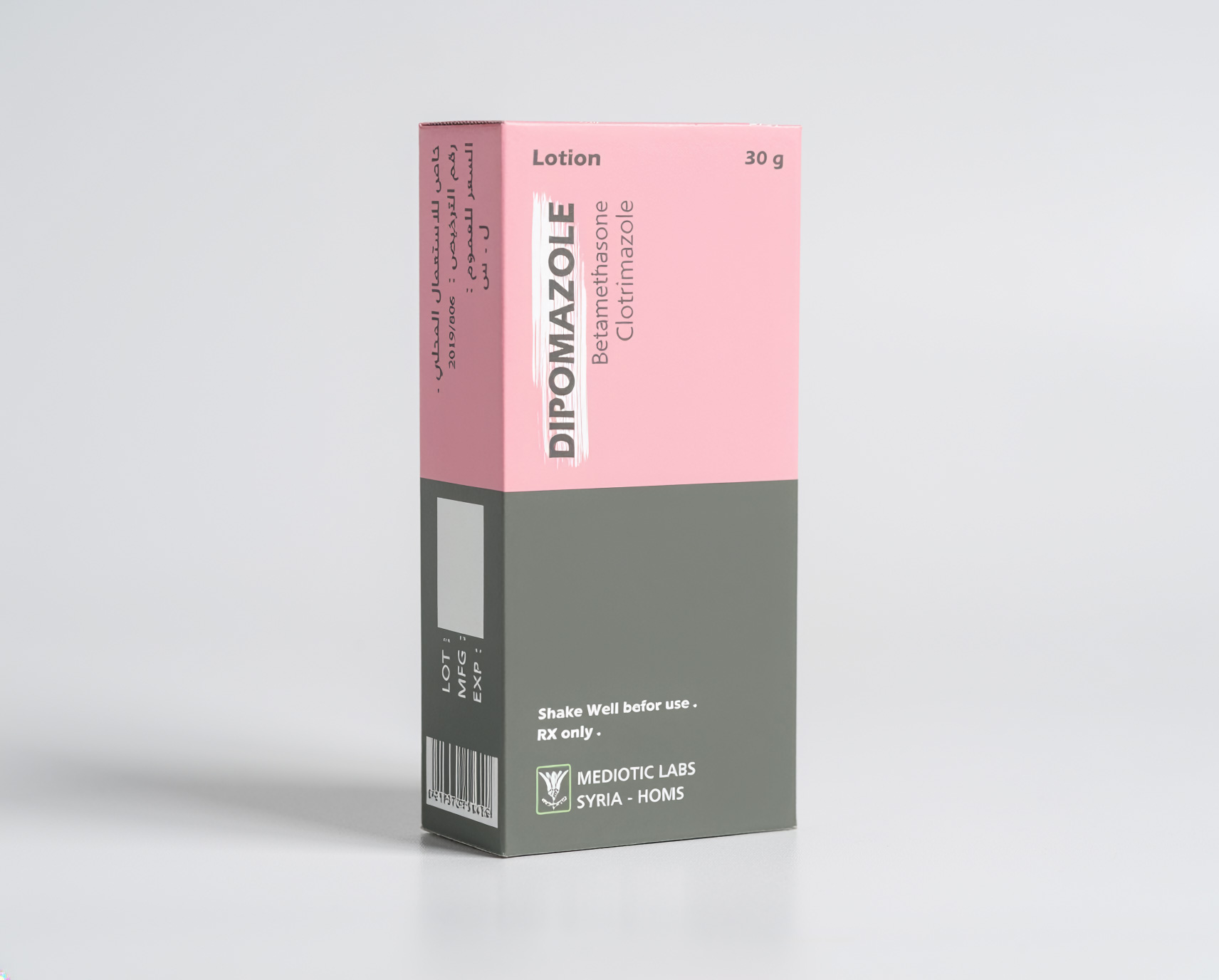
Dipomazole

MECHANISM OF ACTION:

Clotrimazole is an azole antifungal. Betamethasone dipropionate is a corticosteroid. Corticosteroids play a role in cellular signaling, immune function, inflammation, and protein regulation; however, the precise mechanism of action for the treatment of tinea pedis, tinea cruris and tinea corporis is unknown.

PHARMACOKINETICS:

Skin penetration and systemic absorption of clotrimazole and betamethasone dipropionate following topical application of lotion has not been studied. The extent of percutaneous absorption of topical corticosteroids is determined by many factors, including the vehicle, the integrity of the epidermal barrier, and the use of occlusive dressings. Topical corticosteroids can be absorbed from normal intact skin. Inflammation and/or other disease processes in the skin may increase percutaneous absorption of topical corticosteroids. Occlusive dressings substantially increase the percutaneous absorption of topical corticosteroids INDICATIONS:

lotion is indicated for the topical treatment of symptomatic inflammatory tinea pedis, tinea cruris, and tinea corporis due to Epidermophyton floccosum, Trichophyton mentagrophytes, and Trichophyton rubrum in patients 17 years and older. CONTRAINDICATIONS:

Hypersensitivity to Clotrimazole or to Betamethasone or to any of the excipients.

SIDE EFFECTS:

paresthesia rash, edema, and secondary infection.

The following local adverse reactions have been reported with topical corticosteroids: itching, irritation, dryness, folliculitis, hypertrichosis, acneiform eruptions, hypopigmentation, perioral dermatitis, allergic contact dermatitis, maceration of the skin, skin atrophy, striae, miliaria, capillary fragility (ecchymoses), telangiectasia, and sensitization.

Adverse reactions reported with the use of clotrimazole are: erythema, stinging, blistering, peeling, edema, pruritus, urticaria, and general irritation of the skin.

WARNINGSAND PRECAUTIONS:

Effects on Endocrine System:

lotion can cause reversible hypothalamic-pituitary-adrenal (HPA) axis suppression with the potential for glucocorticosteroid insufficiency. This may occur during treatment or after withdrawal of treatment. Cushing’s syndrome and hyperglycemia may also occur due to the systemic effect of corticosteroids while on treatment. Factors that predispose a patient to HPA axis suppression include the use of high-potency steroids, large treatment surface areas, prolonged use, use of occlusive dressing, altered skin barrier, liver failure, and young age.

If HPA axis suppression is documented, gradually withdraw the drug, reduce the frequency of application, or substitute with a less potent corticosteroid.

Diaper Dermatitis:

The use of lotion in the treatment of diaper dermatitis is not recommended.

PREGNANCY AND LACTATION:

PREGNANCY: Pregnancy Category C.

There are no adequate and well-controlled studies with lotion in pregnant women. Therefore,

lotion should be used during pregnancy only if the potential benefit justifies the potential risk to the fetus. LACTATION:

Because many drugs are excreted in human milk, caution should be exercised when lotion is administered to a nursing woman.

PEDIATRIC USE:

The use of lotion in patients under 17 years of age is not recommended.

GERIATRIC USE:

Caution should be exercised with the use of these corticosteroid-containing topical products on thinning skin. POSOLOGY AND METHOD OF ADMINISTRATION:

Treatment of tinea corporis or tinea cruris:

Apply a thin film of lotion into the affected skin areas twice a day for one week.

Do not use more than 45 grams per week. Do not use with occlusive dressings.

If a patient shows no clinical improvement after 1 week of treatment with lotion, the diagnosis should be reviewed. Do not use longer than 2 weeks.

Treatment of tinea pedis:

Gently massage a sufficient amount of lotion into the affected skin areas twice a day for two weeks.

Do not use more than 45 grams per week. Do not use with occlusive dressings.

If a patient shows no clinical improvement after 2 weeks of treatment with lotion, the diagnosis should be reviewed. Do not use longer than 4 weeks.

lotion is for topical use only. It is not for oral, ophthalmic, or intravaginal use.

STORAGE CONDITIONS: Store in the up right position, at room temperature, between (15-30)°C,

“RX ONLY”.

PACKAGING: Aplastic bottle of 30 g with aplastic Cap/carton box.

MECOZALEN

Chemical Composition: Each vaginal Suppository contains Metronidazol 500 mg, Miconazole Nitrate 100mg.

Excipients: Hydrogenated vegetable oil,Aerosil.

PHARMACODYNAMICS:

This product contains miconazole for antifungal, metronidazole for antibacterial and antitrichomonal effects. Miconazole nitrate which is an antifungal has a wide spectrum of activity and is particularly effective against pathogen fungi including Candida albicans. In addition, miconazole nitrate is effective against Gram (+) bacteria. Metronidazole is an antibacterial and antiprotozoal agent that is effective against Gardenella vaginalis and against anaerobic bacteria including anaerobic streptococci and Trichomonas vaginalis.

PHARMACOKINETICS:

Absorption of miconazole nitrate through the intravaginal route is very low (approximately 1.4% of dose). Bioavailability of metronidazole by this route is 20% compared to the oral route. Miconazole nitrate cannot be detected in plasma after vaginal application of the suppository. Steady state level of metronidazole in plasma reaches 1.6 – 7.2 μg/ml. Metronidazole is metabolized in the liver. The hydroxyl- metabolite is effective. The half-life of metronidazole is 6- 11 hours. Approximately 20% of the dose is excreted unchanged in urine.

INDICATIONS:

Metronidazole + Miconazole nitrate vaginal suppository is used for local treatment of vaginalis infection with the involvement of certain fungi (eg Candida albicans), some bacteria and other pathogenic organisms (Trichomonas vaginalis). CONTRAINDICATIONS:

Metronidazole + Miconazole nitrate should not be used in the following cases: Hypersensitivity to any of the ingredients of the suppository.

Pregnancy (particularly in the first 3 months).

Severe problems with liver (liver function disorders including metabolic disease called “porphyria”.

Diseases of the nervous system.
Disturbances in the production of blood.

WARNINGS / PRECAUTIONS:

Alcohol should not be taken during the therapy and for at least 24-48 hours after the end of course of treatment because of the possibility of increased alcohol incompatibility.

The suppository should not be used together with the contraceptive diaphragms and condoms since the ovule base may affect the rubber, which may possibly break. Pregnancy and Lactation:

After the first three months of pregnancy, Metronidazole + Miconazole nitrate suppository can be used when considered essential by the doctor, but must be used under observation.

Breastfeeding is not allowed while using Metronidazole + Miconazole nitrate, since active ingredients pass into the milk. Breastfeeding may be started again 24-48 hours after the treatment is finished.

SIDE EFFECTS:

Vaginal Disorders: Vaginal irritation (burning, itching). Owing to the inflammation of the vaginal mucosa in vaginitis, vaginal irritation can be seen after the administration of the first suppository or towards the 3rd day of the treatment. These complaints disappear quickly when the treatment continues. If there is severe irritation, the physician should be informed because it may be necessary to stop the treatment.

Vaginal products should be avoided

Check with the doctor before use if vaginal yeast infections are frequent (such as once a

month or 3 in 6 months), it could be serious underlying medical cause, including (diabetes or a weakened immune system) or if the vaginal itching and discomfort is for the first time. Stop use and check with the doctor if

Symptoms do not get better in 3 days

Symptoms last more than 7 days

If the patient gets a rash or hives, abdominal pain, fever, chills, nausea, vomiting, or foul- smelling vaginal discharge, it could be more serious condition.

Laboratory Tests:

If there is a lack of response to Miconazole Vaginal Suppositories, appropriate microbiological studies should be repeated to confirm the diagnosis and rule out other pathogens. DRUG INTERACTION:

Miconazole administered systemically is known to inhibit CYP3A4/2C9. Due to the limited systemic availability after vaginal application, clinically interactions occur very rarely.

In patients on oral anticoagulants, such as warfarin, caution should be exercised and anticoagulant effect should be monitored because bleeding or bruising may occur

The effects and side effects of other drugs metabolized by CYP2C9 (e.g. oral hypoglycemics and phenytoin) and also CYP3A4 (e.g., simvastatin and lovastatin and calcium channel blockers such as dihydropyridines and verapamil), when co-administered with miconazole, can be increased and caution should be exercised.

Pregnancy and lactation:

Pregnancy: Although intravaginal absorption is limited, miconazole should be used in the first trimester of pregnancy only if the potential benefits outweigh the possible risks.

Breastfeeding: It is not known whether miconazole nitrate is excreted in human milk. Caution should be exercised when using miconazole during breastfeeding.

ADVERSE REACTIONS:

Very common: Genital pruritus, vaginal burning sensation, vulvovaginal discomfort.

Common: Rash, Dysmenorrhea.

Uncommon: pruritic rash, urticaria, headaches, itching or irritation, cramping.

Rare: hives.

OVERDOSE:

Symptoms: miconazole vaginal cream and ovules are intended for local application and not for oral use. In case of accidental ingestion, no problems are expected.

Treatment: In the event of accidental ingestion of large quantities, appropriate supportive care should be used.

STORAGE CONDITIONS:

Vaginal cream: Store at temperature between (15-25) °C

Vaginal suppositories: Store at temperature between (15-25) °C.

Keep out of reach of children.

PACKAGE:

Vaginal cream:

Aluminium tube contains 70 g MECOZALEN vaginal cream with an applicator/carton box. Vaginal Suppositories:

Carton MECOZALEN box contains 3 vaginal Suppositories.

Carton MECOZALEN box contains 6 vaginal Suppositories.

MECOZALEN

Excipients: Carboxymethyl Cellulose Sodium, Starch, Propylene Glycol, Saccharin Sodium, Strawberry Flavor, Tween, Deionized Water.

ACTIONS:

MECOZALEN possesses an antifungal activity against the common dermatophytes and yeasts as well as an antibacterial activity against certain gram-positive bacilli and cocci.

Its activity is based on the inhibition of the ergosterol biosynthesis in fungi and the change in the composition of the lipid components in the membrane, resulting in fungal cell necrosis.

PHARMACOKINETICS:

Absorption:

Oral bioavailability of MECOZALEN is low (25-30) % because of low gastrointestinal absorption.

Miconazole is systemically absorbed after administration as the oral gel. Administration of 60 mg dose of Miconazole Oral Gel results in peak plasma concentrations of 31-49 ng/mL, occurring approximately two hours post-dose. Distribution

Absorbed Miconazole is bound to plasma proteins (88.2%), primarily to serum albumin and red blood cells (10.6%). Metabolism and Elimination

The absorbed portion of Miconazole Oral Gel is largely metabolized; less than 1% of the administered dose is excreted unchanged in the urine. The terminal plasma half-life is 20- 25 hours in most patients. The elimination half-life of Miconazole is similar in any renal impaired patient. Plasma concentrations of Miconazole are moderately reduced (approximately 50%) during hemodialysis.

INDICATIONS:

MECOZALEN oral gel is indicated in the management of fungal infections of the oral cavity and gastro-intestinal tract in adults and pediatric patients 4 months and older.

Miconazole is effective against some gram-positive bacteria in adults and paediatric patients 4 months and older, including Streptococcus pyrogenes, Staphylococcus aureus and Erysipelothrix.

CONTRAINDICATIONS:

MECOZALEN Oral Gel is contraindicated in the following situations:

– In patients with a known hypersensitivity to miconazole or to any of the other ingredients of the gel or other imidazole derivatives.

– In infants less than 6 months of age or in those whose swallowing reflex is not yet sufficiently developed.

-In patients with liver dysfunction.

-Co-administrating of the following drugs that are subject to metabolism by CYP3A4:

  • Substrates known to prolong the QT-interval eg. Astemizole, bepridil, cisapride, dofetilide, halofantrine, mizolastine, pimozide, quinidine, sertindole and terfenadine. Ergot alkaloids.

o HMG-CoA reductase inhibitors such as simvastatin and lovastatin.

o Triazolam and oral midazolam.

WARNINGS AND PRECAUTIONS:

Miconazole is systemically absorbed and is known to inhibit CYP2C9 and CYP3A4 which can lead to prolonged effects of warfarin. Bleeding events, some with fatal outcomes have been reported with concurrent use of miconazole oral gel and warfarin.

If the concomitant use of MECOZALEN oral gel and anticoagulants such as warfarin is envisaged, the anticoagulant effect should be carefully monitored and titrated.

It is advisable to monitor miconazole and phenytoin levels, if they are used concomitantly.

In patients using certain oral hypoglycemic such as sulfonylureas, an enhanced therapeutic effect leading to hypoglycemia may occur during concomitant treatment with miconazole and appropriate measures should be considered.

Patients should be advised that if they experience unexpected bleeding or bruising, nosebleeds, coughing up blood, blood in the urine, black tarry stools or coffee ground vomit, to stop treatment with miconazole and seek medical advice. Severe hypersensitivity reactions, including anaphylaxis and angioedema, have been reported during treatment with miconazole formulations. If a reaction suggesting hypersensitivity or irritation should occur, the treatment should be discontinued.

Serious skin reactions (e.g. Toxic epidermal necrolysis and Stevens-Johnson syndrome) have been reported in patients receiving Miconazole Oral Gel. It is recommended that patients be informed about the signs of serious skin reactions, and that use of Miconazole Oral Gel be discontinued at the first appearance of skin rash.

It is important to take into consideration the variability of the maturation of the swallowing reflex in infants, especially when giving Miconazole Oral gel to infants between the ages of 4-6 months.

The lower age limit should be increased to 5 – 6 months of age for infants who are pre-term, or infants exhibiting slow neuromuscular development

Pregnancy and lactation: Safety in human pregnancy has not been established and the drug should not be used in pregnant women unless considered absolutely essential by the physician. The potential hazards should be balanced against the possible benefits.

It is not known whether Miconazole or its metabolites are excreted in human milk. Caution should be exercised when prescribing Miconazole Oral Gel to nursing mothers

ADVERSE EFFECTS

Increases in INR and bleeding events such as epistaxis, contusion, haematuria, melaena, haematemesis, haematoma and haemorrhages have been reported in patieints treated with oral anticoagulants such as warfarin in association with Miconazole oral gel.

Common: Dry mouth, Nausea, Oral discomfort, Vomiting, Regurgitation, and Product taste abnormal.

Uncommon: Dysgeusia.

Not Known: Anaphylactic reaction, Hypersensitivity, Choking, Diarrhoea, Stomatitis, Tongue discolouration, Hepatitis, Angioedema, Toxic epidermal necrolysis, Stevens-Johnson syndrome, Urticaria, Rash, Acute generalized exanthematous pustulosis, drug reaction with eosinophilia and systemic symptoms.

INTERACTIONS:

When using any concomitant medication, consult the corresponding label for information on the route of metabolism. Miconazole can inhibit the metabolism of drugs metabolised by the CYP3A4 and CYP2C9 enzyme systems. This can result in an increase and/or prolongation of their effects, including adverse effects.

Oral miconazole is contraindicated with the coadministration of the following drugs that are subject to metabolism by CYP3A4 and CYP2C9:

– Substrates known to prolong the QT-interval for example, astemizole, cisapride, dofetilide, mizolastine, pimozide, quinidine, sertindole and terfenadine

– Ergot alkaloids

– HMG-CoA reductase inhibitors such as simvastatin and lovastatin

– Triazolam and oral midazolam.

Co-administration with warfarin is contraindicated except when oral miconazole gel is specifically prescribed and used under medical supervision with close monitoring of INR.

When coadministered with oral Miconazole the following drugs must be used with caution because of a possible increase or prolongation of the therapeutic outcome and/or adverse events. If necessary, reduce their dosage and, where appropriate, monitor plasma levels:

  • Drugs subject to metabolism by CYP2C9.
  • Oral hypoglycaemics such as sulphonylureas
  • Other drugs subject to metabolism by CYP3A4.
  • HIV protease inhibitors such as saquinavir.
  • Phenytoin.
  • Certain antineoplastic agents such as vinca alkaloids, bulsulfan and docetaxel.
  • Certain calcium channel blockers such as dihydropyridines and verapamil
  • Certain immunosuppressive agents: cyclosporin, tacrolimus, sirolimus (rapamycin).
  • Others: carbamazepine, cilostazol, disopyramide, buspirone, alfentanil, sildenafil, alprazolam, brotizolam, midazolam IV, rifabutin, methylprednisolone, trimetrexate, ebastine and reboxetine. DOSE AND ADMINISTRATION:

Oropharyngeal candidosis:

One measuring spoon (provided) is equivalent to 124 mg miconazole per 5 mL gel. For infants (6-24 months):

One quarter (1/4) of a measuring spoon* of gel four times daily after meals. Each dose should be divided into smaller portions and the gel should be applied to the affected area(s) with a clean finger. The gel should not be applied to the back of the throat due to possible choking. The gel should not be swallowed immediately, but kept in the mouth as long as possible.

Adults and Children: (2 years of age and older):

2.5 mL (1/2) a measuring spoon* of gel four times daily. After meals. The gel should not be swallowed immediately, but kept in the mouth as long as possible.

The treatment should be continued for at least a week after the symptoms have disappeared.

For oral candidosis, dental prostheses should be removed at night and brushed with the gel.

Gastrointestinal tract candidosis:

The gel may be used for infants (≥4 months of age), children and adults who have difficulty swallowing tablets. The dosage is 20 mg per kg body weight per day, administered in four individual doses. The daily dose should not exceed 250 mg (10 mL oral gel) four times a day. The treatment should be continued for at least a week after the symptoms have disappeared.

OVERDOSE:

Symptoms: In the event of accidental overdose, vomiting and diarrhea may occur. Treatment: Treatment is symptomatic and supportive. A specific antidote is not available.

STORAGE CONDITIONS:

-Store at temperature below 25 °C. – Keep out of reach of children.

PACKAGING: Aluminum tube contains 50 g MECOZALEN oral gel/carton box, with measured spoonful.

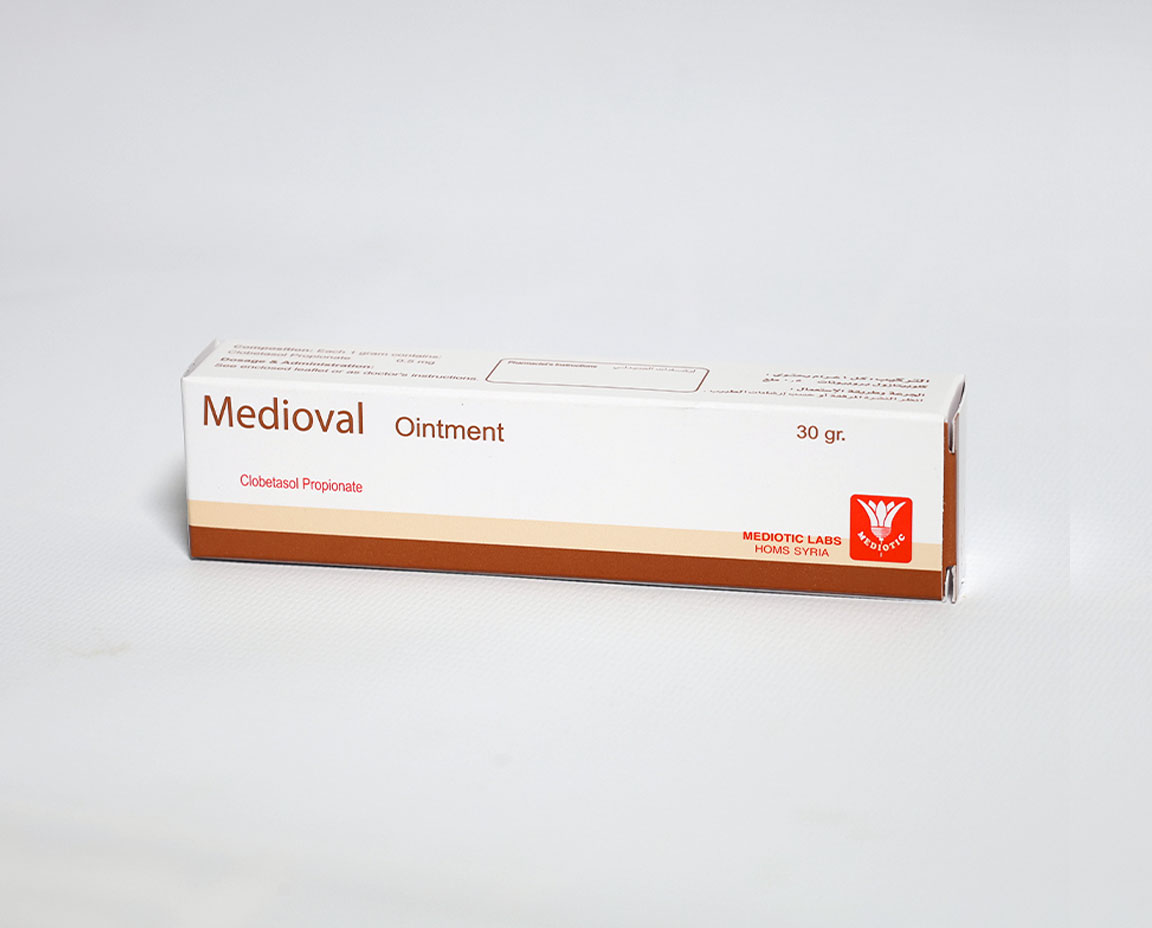
MEDIOVAL

Composition:

Each gram of MEDIOVAL (Cream/Ointment) contains 0.5mg Clobetasol Propionate. Properties:

Clobetasol is a potent topical corticosteroid which is effective because of its anti-inflammatory, antipruritic and vasoconstrictive actions.

Indications:

MEDIOVAL is used in a short courses for the relief of the inflammatory and pruritic manifestation of severs and moderate dermatoses that are not responding to other corticosteroids such as: psoriasis, eczema including (nummular eczema and hand eczema) lichen planum, discoid lupus erythematosus, all kinds of dermatitis (atopic, seborrhoeis, solar, neurocontact dermatitis, and static).

Contraindications:

Hypersensitivity to clobetasol or other corticosteroids.

Viral infections.

Cautions:

MEDIOVAL is not for ophthalmic use.

In the presence of an infection, an appropriate antifungal or antibacterial

agent should be administered.

The weekly dosage should not exceed 50 g.

If irritation or hypersensitivity develops, drug should be discontinued and appropriate therapy instituted.

When treating under occlusion the skin should always be cleaned before a new dressing is applied.

The side effects of the systemic absorption of topical application of corticosteroids may be seen if the patient receives a large dose applicated to a large surfaces or for prolonged times, or if the patient was a baby or a child. This medication should not be used extensively in pregnant patients or nursing mothers in large amounts, or for prolonged periods of time.

Side effects:

Irritation, hypertrichosis, burning, itching, acne-form eruptions, hypopigmentation, and atrophic changes such as striae.

Dosage & administration:

Apply a thin layer of MEDIOVAL to the affected skin areas once or twice daily.

Storage:

Store at temperature between (15-30)°C.

Presentation:

Aluminum tube contains 30g MEDIOVAL Ointment.

Aluminum tube contains 50g MEDIOVAL Cream.

MEDIOVAL

Composition:

Each gram of MEDIOVAL (Cream/Ointment) contains 0.5mg Clobetasol Propionate. Properties:

Clobetasol is a potent topical corticosteroid which is effective because of its anti-inflammatory, antipruritic and vasoconstrictive actions.

Indications:

MEDIOVAL is used in a short courses for the relief of the inflammatory and pruritic manifestation of severs and moderate dermatoses that are not responding to other corticosteroids such as: psoriasis, eczema including (nummular eczema and hand eczema) lichen planum, discoid lupus erythematosus, all kinds of dermatitis (atopic, seborrhoeis, solar, neurocontact dermatitis, and static).

Contraindications:

Hypersensitivity to clobetasol or other corticosteroids.

Viral infections.

Cautions:

MEDIOVAL is not for ophthalmic use.

In the presence of an infection, an appropriate antifungal or antibacterial

agent should be administered.

The weekly dosage should not exceed 50 g.

If irritation or hypersensitivity develops, drug should be discontinued and appropriate therapy instituted.

When treating under occlusion the skin should always be cleaned before a new dressing is applied.

The side effects of the systemic absorption of topical application of corticosteroids may be seen if the patient receives a large dose applicated to a large surfaces or for prolonged times, or if the patient was a baby or a child. This medication should not be used extensively in pregnant patients or nursing mothers in large amounts, or for prolonged periods of time.

Side effects:

Irritation, hypertrichosis, burning, itching, acne-form eruptions, hypopigmentation, and atrophic changes such as striae.

Dosage & administration:

Apply a thin layer of MEDIOVAL to the affected skin areas once or twice daily.

Storage:

Store at temperature between (15-30)°C.

Presentation:

Aluminum tube contains 30g MEDIOVAL Ointment.

Aluminum tube contains 50g MEDIOVAL Cream.

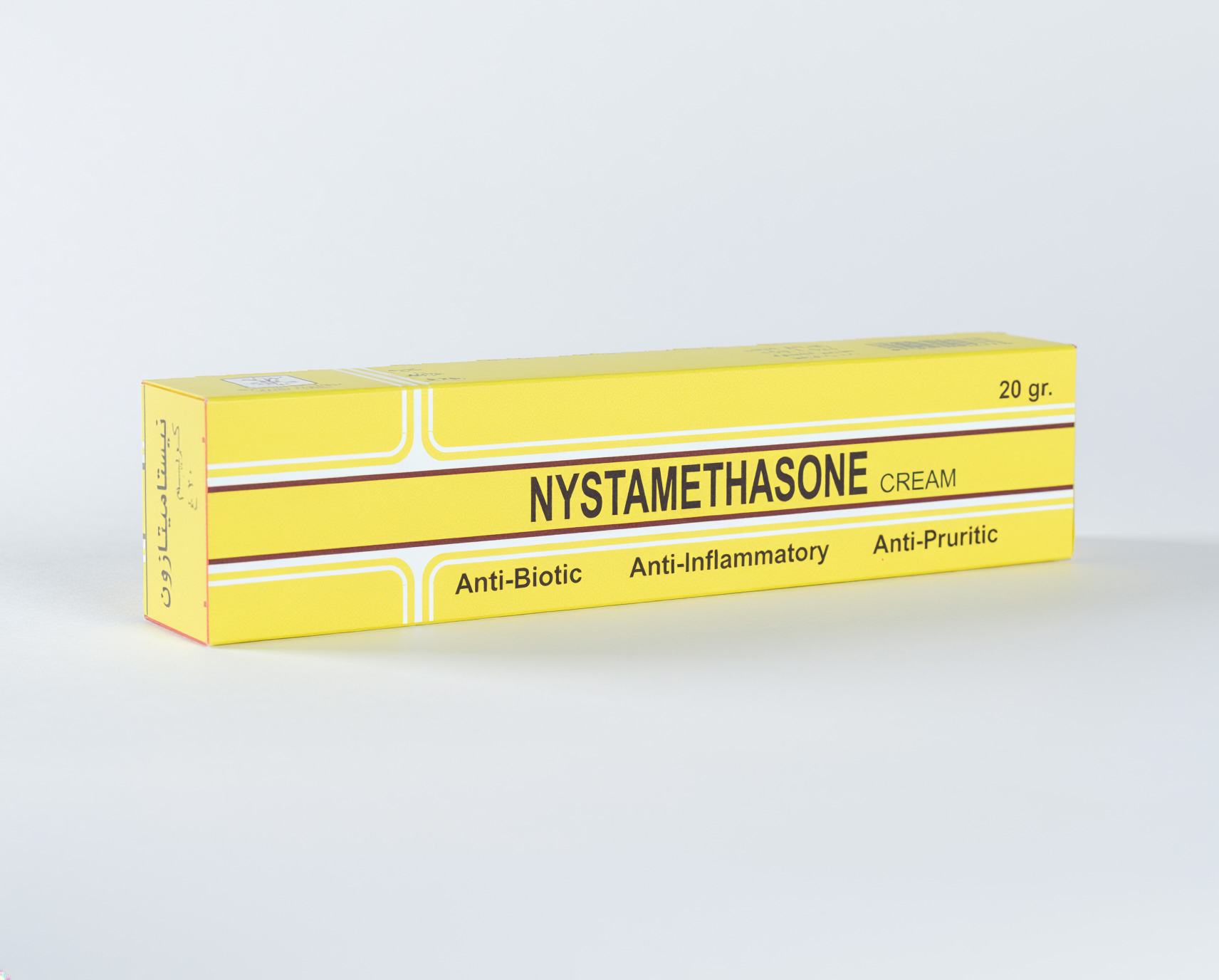
NYSTAMETHASONE

NYSTAMETHASON(Cream)
COMPOSITION: Each 1 g NYSTAMETHASONE cream contains:
100000 I.U Nystatin, 11.5 mg Chlorhexidine dihydrochloride, 1 mg Dexamethasone.
Excipients: Vaseline, Lanoline, Beeswax, Hard Paraffin, Liquid Paraffin, Corn Oil, Glyceryl Monostearate, Emulgin B2, Cetostearyl Alcohol.
PROPERTIES:
MEDIOTIC
Nystatin acts as fungicidal by complexing with sterols of the cytoplasmic membrane and altering the cell wall of the fungus.
Chlorhexidine acts like antimicrobial by adsorption of the cationic part to the cell wall of the microorganisms. The resulting change in the permeability of the cell wall results in the leakage of intracellular substances or the penetration of Chlorhexidine into the cytoplasm.
Dexamethasone is a synthetic, medium-strong glucocorticoid. That is results in anti-inflammatory, anti- allergic, itching-stopping, immunosuppressive and anti-proliferative effects. PHARMACOKINETICS:
Nystatin and chlorhexidine are absorbed when applied locally through the intact skin and mucous membrane occurs at low levels. Accurate data on absorption and pharmacokinetics are not available. The penetration and Permeation of dexamethasone depends on the localization, the skin condition, the age and the mode of application. Under normal conditions, only a fraction of the locally applied dose is systemically available.
INDICATIONS:
Microbial (by Candida or bacteria) superimposed or infected skin diseases such as: soreness (intertrigo, intertriginous Eczema), balanitis, balanoposthitis, Analekzem, Perianalekzem, Pruritus vulvae, Perlèches, microbial eczema, seborrhoic Eczema.
Before the start of the therapy, a safe detection of Candida (culture) is to be carried out. CONTRAINDICATIONS:
• Hypersensitivity to the active substances or to any of the excipients.
Specific skin processes (syphilis, tuberculosis), chickenpox (varicella), vaccination reactions, rosacea, perioral dermatitis.
WARNINGS AND PRECAUTIONS:
• The application to the eye and the ear should be avoided.
• This cream should not be applied to open wounds.
• Large-scale and long-term treatments generally require special care. A continuous application time of 2-3 weeks should not be exceeded whenever possible.
• Very strong, strong and medium-potent corticosteroids should be used on the face and in the genital area with caution and not longer than 1 week.
• Corticosteroids may mask symptoms of an allergic skin reaction to any component of the preparation.
• If no improvement occurs within a few days, the diagnosis should be reviewed. Superinfection with resistant bacteria or hypersensitivity to any component of the preparation could be the cause. Pregnancy:
This drug is contraindicated during pregnancy.
Breastfeeding:
No data are available on the use of this drug during lactation. Dexamethasone passes through the placenta and can pass into the mother’s milk after topical application. This drug should therefore not be used in breastfeeding mothers.
DRUG INTERACTIONS:
In combination with antibiotics, nystatin can influence their effects synergistically (oxytetracycline) or antagonist (chloramphenicol).
Incompatibilities:
Chlorhexidine can be inactivated by soaps.
Nystatin is inactivated by magnesium and calcium ions, fatty acids, cysteine, Glutathione, sodium thioglycolate, glucose, maltose, lactose, phosphate buffer and serum.
SIDE EFFECTS:
It is usually well tolerated on skin and mucous membrane. If the condition worsens, the treatment should be discontinued and the physician should be consulted.
Occasionally: Irritation of the skin, burning, redness, pruritus.
Rare: Local hypersensitivity reactions.
DOSAGE AND ADMINISTRATION:
Apply 2 to 3 times daily to the skin and mucous membranes. The duration of application should not be longer than 10 days.
OVERDOSE:
Not relevant for nystatin and chlorhexidine, since both are not practically absorbed. Dexamethasone is only slightly absorbed compared to other corticoids, local or systemic side effects occur only after extensive and long-lasting therapy. Symptoms are those of a corticosteroid overdose, antidote is discontinuation of the preparation.
STORAGE CONDITIONS:
Store at room temperature, between (15 – 30) °C. – Keep out of reach of children. PACKAGING: Aluminum tube contains 20 g NYSTAMETHASONE cream/carton box.

PROCTOVASINE

Proctovasin exerts dual effect: anti-inflammatory and pain reducer.

Troxerutin: reduces vessel fragility and increases its resistance and normalizes the permeability, so it has anti-inflammatory effect and it reduces venous congestion and edema.

Butoform: a rapidly acting local anaesthetic, known for its pain relief that is caused by congestion or oedema.

Indications:

Symptomatic therapy of internal and external hemorroids, proctitis, anitis, fissures, and pruritis, and also indicated post operatively in anorectal surgical precedures and after incision of thrombosed or sclerosed hemorrhoids.

Hemorrhoids of pregnancy.

Contraindications:

Hypersensitivity to any of the constituents.

Cautions:

Following symptomatic relief, definite diagnosis should be established. Not to be taken orally.

Side effects:

Rare, transient burning.

Dosage and administration:

One suppository at night, in the morning and after each evacuation.

Ointment may be intrarectally applied by using the special applicator provided 2-3 times daily.

Presentations:

Proctovasin Ointment:

Tube contains 20 g and a syringe (special applicator)

Proctovasin Suppositories:

Box contains 10 suppositories

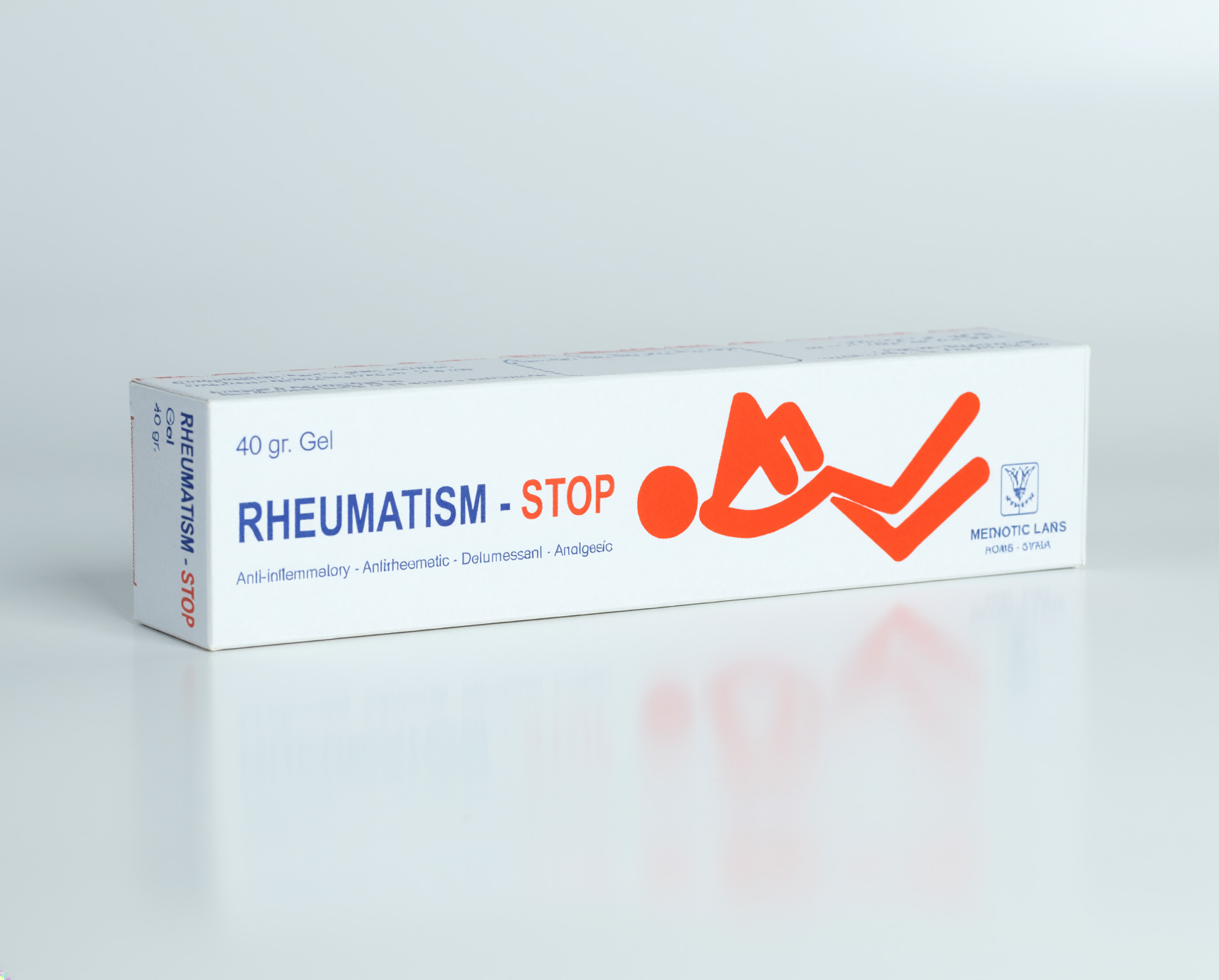
RHEUMATISM-STOP

Rheumatism-Stop gel contains Diclofenac, a Non-Steroid Anti-Inflammatory N.S.A.I., which is applied locally and affected percotaneously therefor it has two benefits:

  • High concentration of active substance on affected area.
  • To avoid the side effects of N.S.A.I. when it is taken orally or by rectum. Rheumatism-Stop gel decreases the inflammatory swelling and it is a good analgesic agent. Rheumatism-Stop gel is easy to apply, while, its white, creamy, and non-greasy preparation can penetrate into the skin and its aqueous-alcoholic base gives it a soothing and cooling effect. Studies assured that the concentration of the active substance in the inflammated area is higher than in the plasma, and that shows the preparation effectiveness.

Indications:

Traumatic inflammation in the ligaments, tendons, and joints, as sprain, strain, and bruises. Localized forms of soft-tissues, as, tendovaginitis, and shoulder hand syndrome.

– Localized rheumatic diseases as, osteorthritis of the spine and peripheral joints.

– Periarthropathy.

Contraindications:

Hypersensitivity to Diclofenac or any other N.S.A.I. agents.

Pregnancy & Lactation:

It is recommeded to consult your physician prior to the use of this medication during pregarcy and lactation. Precautions:

– This medication should only be applied to intact skin, not to damaged skin or open wounds.

– This medication should not come into contact with the eyes or mucous membranes.

-Do not use this medication orally.

Side effects:

Rheumatism-Stop gel is generally well tolerated; pruritus, erythema, rash, or stinging may occasionally occur.

If Rheumatism-Stop gel is applied to large areas for prolonged periods, the possibility of systemic reactions of N.S.A.I. may occur.

Dosage and Administration:

Depending on the size of painful area to be treated 3-4 g of Rheumatism-Stop gel, cherry to walnut-sized amount, should be applied 3-4 times daily to affected sites and gently rubbed in. Rheumatism-Stop gel can also be employed as an adjunct with other dosage forms of diclofenac.

Storage:

Protect from heat (store below 25°C).

Presentation:

Aluminum tube contains 40 g of Rheumatism-Stop gel.

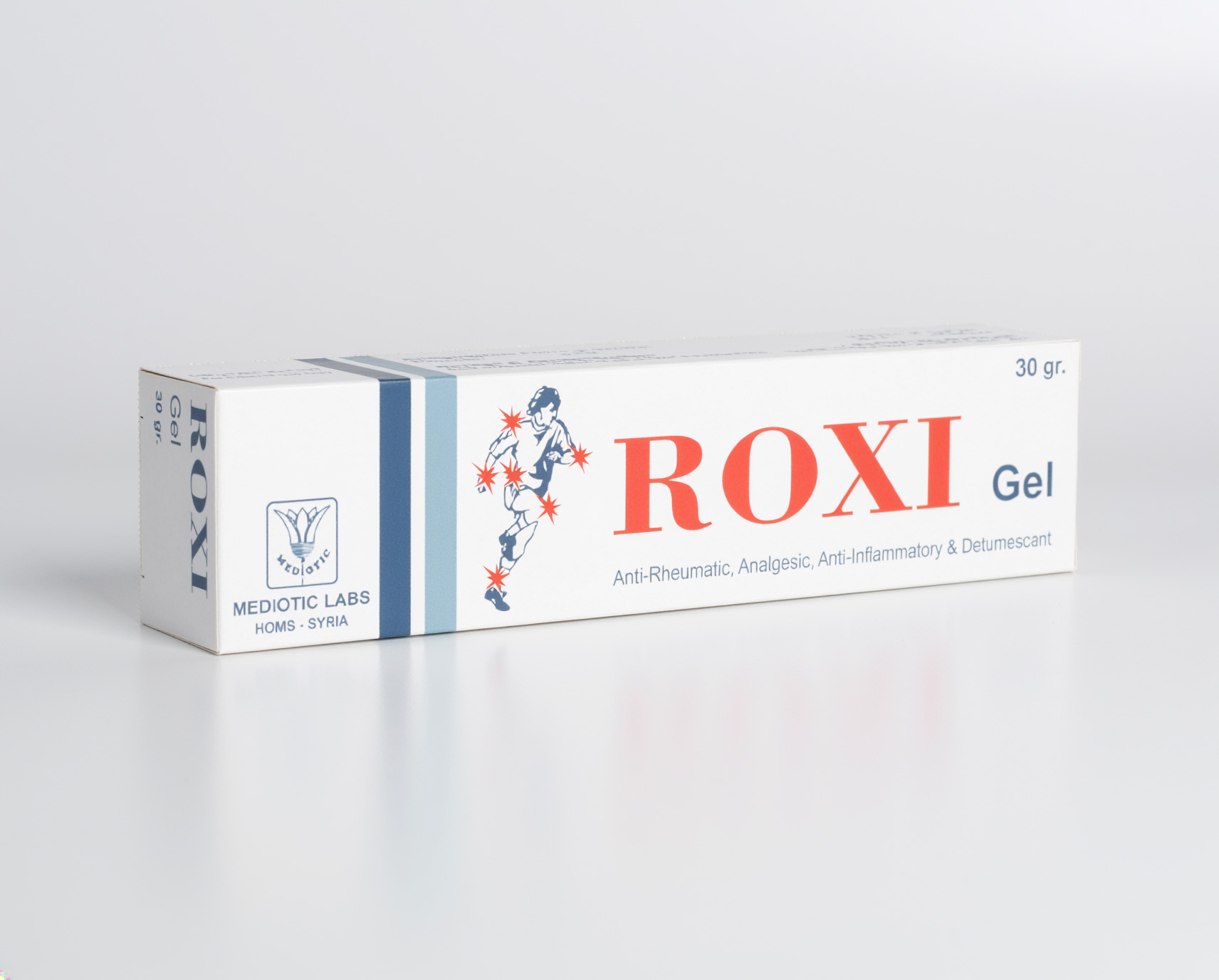
ROXI

Traumatic injuries and after exercise, in tendons and ligaments, and muscles (as in strains, ecchymoses and exertion).

Local forms of soft tissue rheumatism, tendintis, vaginitis, shoulder-hand syndrome, bursitis, and lumbago.

Osteo-arthritis of the spine and peripheral joints.

Peri-arthritis.

Acute Gout.

Cautions:

Avoid using Roxi Gel on cuts or eczematous skin.

Avoid contact with eyes or swallowing the gel.

Prolonged usage or large quantities may lead to systemic side effects of piroxicam.

Side Effects:

Itching, eruptions, and redness (all are rare).

Contra-indications:

Sensitivity to piroxicam or any other Non-Steroid Anti-Inflammatory drugs. Sensitivity to aspirin.

Pregnancy (studies about it are little).

Dosage & Administration

Apply 1 gram of Roxi Gel to the affected area; rub gently 3-4 times daily.

Presentation:

Tube contains 30 grams Roxi Gel.


SALICID

Properties:

SALICID Ointment has certainly an effect to remove corns and warts in hands,

feet and other parts of the body, because it contains the effective element which

is salicylic acid.

Indications:

SALICID Ointment is indicated for the removal of corns and warts in hands, feet and other parts of the body.

Side Effects:

It may be cause irritation and dermatitis.

Cautions:

Do not use SALICID ointment for a long period, or with high concentration, or on wide areas of the skin.

Do not use this product on wounded or inflamated skin.

Avoid contact with mouth, eyes, or mucous membranes.

Use with caution in patients with peripheral circulatory failure or diabetics.

Contraindications:

Sensitivity to the active substance (salicylic acid).

Dosage & Administration:

It is preferred to use SALICID ointment directly after taking a shower or after keeping the feet in hot water for fifteen minutes.

Corns’ removal:

SALICID Ointment should be applied on the corn only, and put over it a plaster, repeat this daily until the corn disappears, and throughout using, it is noticed that the corn becomes as sponge, it is better in this case to remove the soft parts with sterile and sharp instrument.

  • Warts’ removal:

Apply SALICID ointment on the affected area in the morning and the evening and covered it with plaster. Repeat this until the wart disappears, consequently wipe off the area with a piece of cotton wetted with alcohol while leaving it exposed to the air until the skin returns to its natural state.

Storage:

Store at room temperature between (15-30)°C.

Presentation:

Aluminum tube contains 10 g of SALICID ointment/Carton box.

TETRADERM

Properties:

0.5 mg

1.0 mg

10 mg

10 mg

Tetraderm Cream is a group of multiactive materials such as:

Betamethasone valerate which is an anti-inflammatory, antipruritic and vasoconstructive agent.

Gentamycine sulfate which is a wide-spectrum antibiotic.

  • Tolnaftate which is a fungicidal agent.

Clioquinol which is an antibacterial and anti-fungal agent.

Indications:

Tetraderm Cream is indicated for the treatment of inflammatory manifestations of corticosteroid-responsive dermatoses when complicated by secondary infection caused by the organisms sensitive to the components of this dermatological preparation or when the possibility of such infection is suspected, such as: greasy dermatitis, contact dermatitis, neurodermatitis, impetigo, follicular dermatitis, chronic eczema, and the pruritus caused by sensitive skin.

Side effects:

Local adverse reactions reported with the use of topical corticosteroids especially under occlusive dressing, include: burning, itching, irritation, hypo pigmentation, hypertrichosis, secondary infection, and skin atrophy.

Rash, irritation and hypersensitivity have been reported with the topical usage of gentamycine sulfate, clioquinol and rarely with tolnaftate.

Precautions:

This medication should not be used in those patients with a history of sensitive reactions to any of its components.

This medication should not be used in pregnant women in large amounts or for long period.

Any of the side effects that are reported following systemic use of corticosteroids including adrenal suppression may also occur with topical corticosteroids especially in infants and children.

Intracranial hypertension has been reported in children receiving topical corticosteroids include a bulging fontanelle, headaches, and bilateral papilledema. Manifestations of adrenal suppression in children have been reported.

Dosage and administration:

A thin film of Tetraderm Cream should be applied to cover completely the affected area two or three times daily or as prescribed by the physician.

Storage:

-Store at temperature between (15-30)°C

-Protect from light, Keep out of reach of children

Presentation:

Aluminum tube contains 20 gr. Tetraderm cream/carton box.

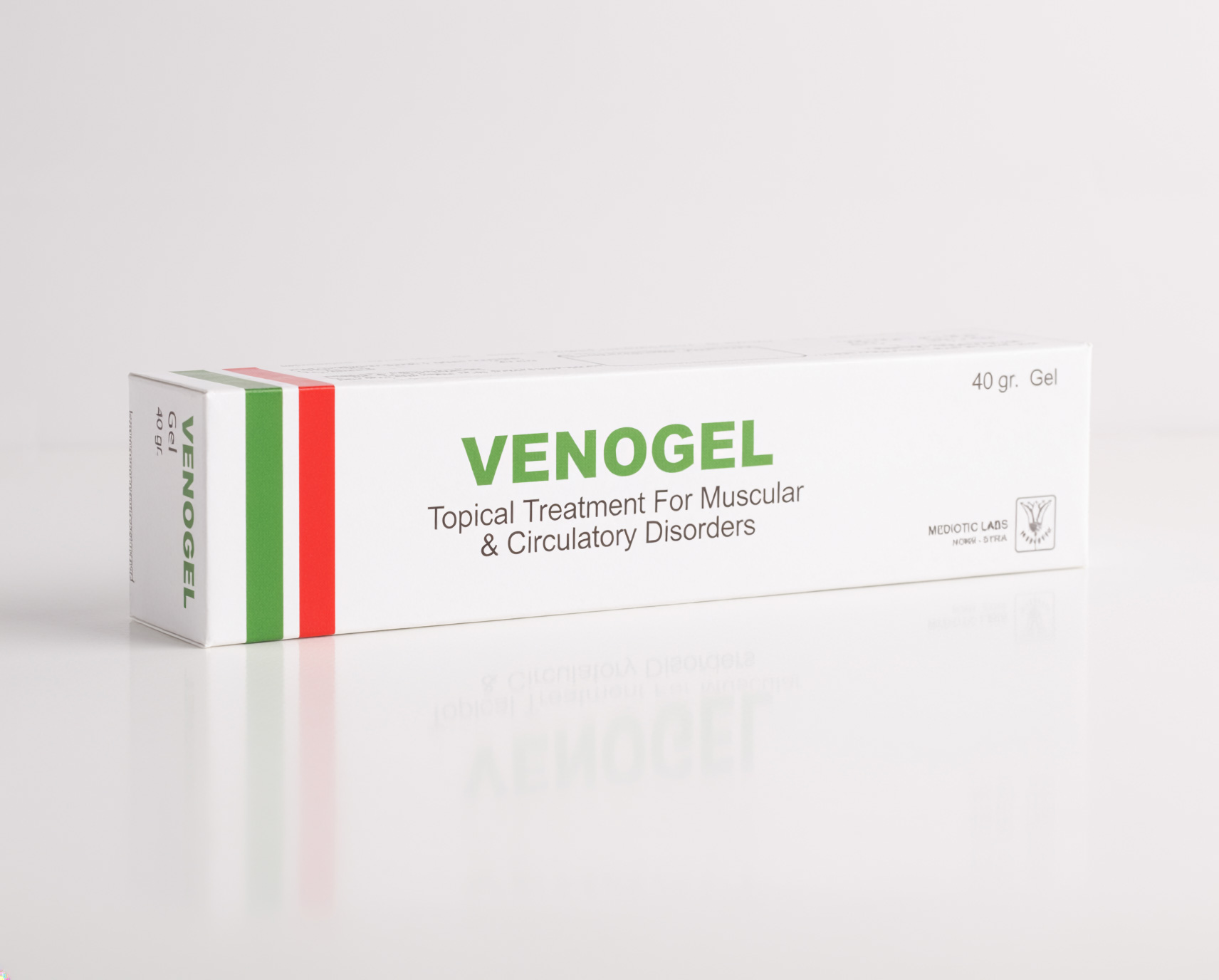
VENOGEL

Composition:

Each 1 gram of Venogel contains 20mg of O- (B-hydroxy ethyl)-rutoside = Troxerutine

Properties & Pharmacological effects:

The active substance contained in Venogel is characterized by its action on the capillaries, rising their resistance, and normalising their permeability, in addition; it possesses anti-inflammatory and analgesic propereties, so it can be used for the local treatment of many cases of oedema and the symptoms associated with venous insufficiency.

Venogel is an aqueous gel, alcohol free and non-greasy.

Indications:

Pain and oedema due to venous insufficiency (including legs varicose). Heavy and painful legs and swollen ankles.

Pain after sclerotherapy.

Pain and oedema of traumatic origin: sprains, strains, contusion, and immobilization in plaster cast.

Contraindications:

Sensitivity to the active substance.

Side effects:

Venogel is perfectly tolerated by the skin, sometimes (very rare) skin reaction appear, these disappear immediately after discontinuance of the drug.

Drug interactions:

None.

Dosage & Administration:

Apply Venogel in the morning and evening on the areas to be treated, rub it down gently until completely absorbed.

Presentation:

Aluminum tube contains 40g Venogel.

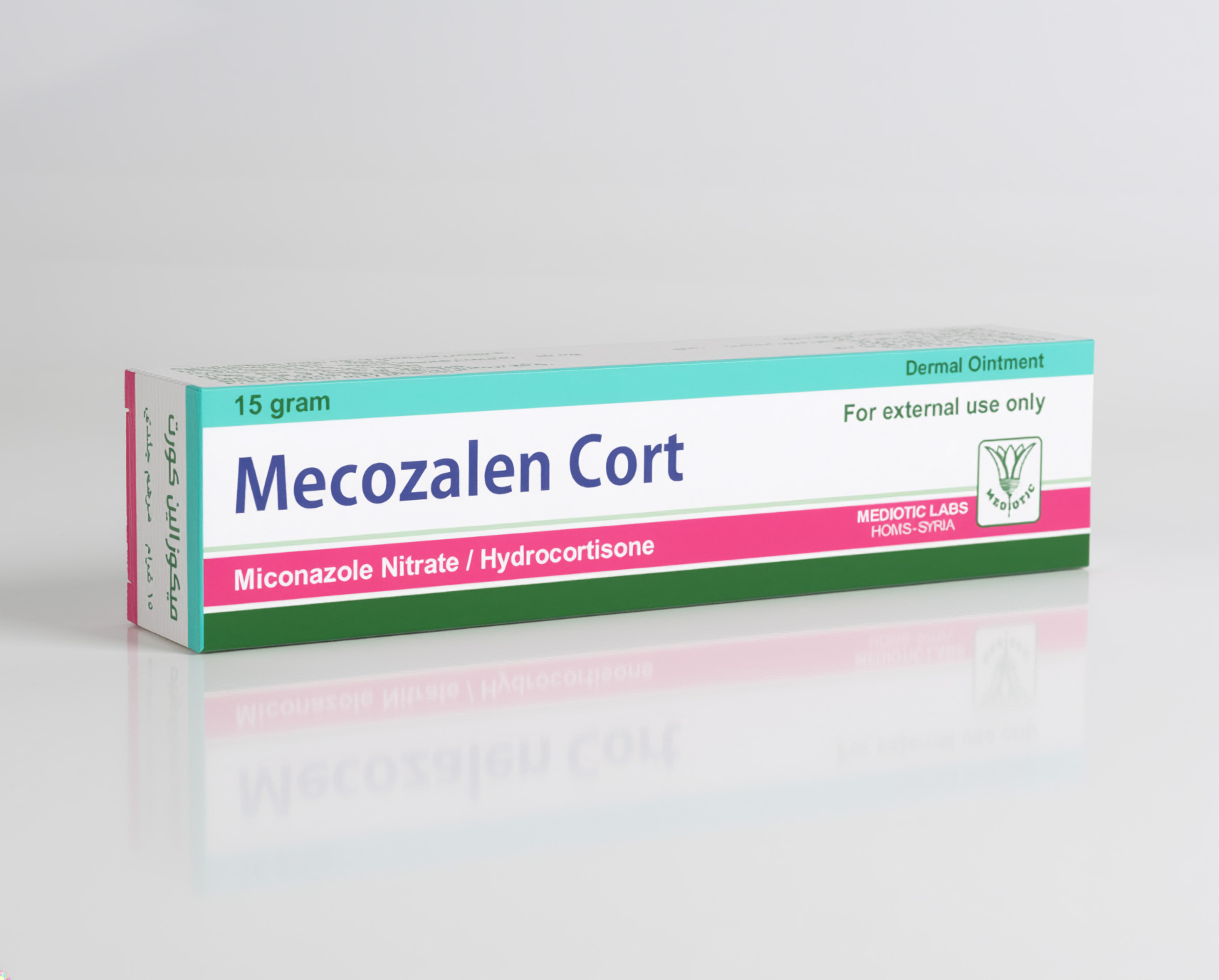
MECOZALEN CORT

Miconazole Nitrate 2% + Hydrocortisone (Acetate) 1%

Topical (Cream, Ointment)

COMPOSITION:

Each 100 g of MECOZALEN CORT (cream, ointment) contains: Miconazole nitrate 2g, Hydrocortisone (as Hydrocortisone acetate) 1 g.

EXCIPIENTS:

MECOZALEN CORT cream: Cetylstearyl Alcohol with Ethylene Oxide, Cetostearyl Alcohol, Liquid Paraffin, Benzoic Acid, Disodium Edetate, Butylated Hydroxyanisole, Sodium Hydroxide Solution, Purified Water.

MECOZALEN CORT ointment: Polyethylene, Liquid Paraffin gel.

INDICATIONS:

For the topical treatment of inflamed dermatosis where infection by susceptible organisms and inflammation co-exist, e.g. intertrigo and infected eczema.

Moist or dry eczema or dermatitis including atopic eczema, primary irritant or contact allergic eczema or seborrhoeic eczema including that associated with acne.

Intertriginous eczema including inflammatory intertrigo, perianal and genital dermatitis.

Organisms which are susceptible to miconazole are dermatophytes and pathogenic yeasts (e.g. Candida spp.). Also many Gram- positive bacteria including most strains of Streptococcus and Staphylococcus.

DOSAGE AND ADMINISTRATION:

For topical administration.

Apply MECOZALEN CORT two or three times a day to the affected area, rubbing in gently until it has been absorbed by the skin. Because of its corticosteroid content avoid long-term treatment with MECOZALEN CORT. Once the inflammatory symptoms have disappeared (after about 7 days),

treatment can be continued where necessary with MECOZALEN CORT (miconazole nitrate 2%). Treatment should be continued without interruption until the lesion has completely disappeared (usually after 2 to 5 weeks).

If after about 7 days’ application, no improvement has occurred, cultural isolation of the offending organism should be followed by appropriate local or systemic antimicrobial therapy.

The same dosage applies to both adults and children.

Elderly

Natural thinning of the skin occurs in the elderly, hence corticosteroids should be used sparingly and for short periods of time.

Pediatrics

In infants and children, caution is advised when MECOZALEN CORT is applied to extensive surface areas or under occlusive dressings including baby napkins (diapers). In infants, long term continuous topical corticosteroid therapy should be avoided. CONTRAINDICATIONS:

– True hypersensitivity to miconazole/miconazole nitrate, other imidazole derivatives, hydrocortisone or to any of the excipients. – Tubercular or viral infections of the skin or those caused by Gram-negative bacteria.

WARNINGS AND PRECAUTIONS:

– When MECOZALEN CORT is used by patients taking oral anticoagulants, the anticoagulant effect should be carefully monitored. Severe hypersensitivity reactions, including anaphylaxis and angioedema, have been reported during treatment with MECOZALEN CORT and with other miconazole topical formulations. If a reaction suggesting hypersensitivity or irritation should occur, the treatment should be discontinued.

– MECOZALEN CORT must not come into contact with the mucosa of the eyes.

– As with any topical corticosteroid, caution is advised with infants and children when MECOZALEN CORT is to be applied to extensive surface areas or under occlusive dressings including baby napkins; similarly, application to the face should be avoided. – In infants, long term continuous topical corticosteroid therapy should be avoided. Adrenal suppression can occur even without occlusion.

– Because of its corticosteroid content avoid long-term treatment with MECOZALEN CORT. Once the inflammatory symptoms have disappeared treatment may be continued with miconazole nitrate 2% cream or powder.

– MECOZALEN CORT can damage certain synthetic materials. Therefore, it is recommended to wear cotton underwear if this clothing comes into contact with the affected area.

– The concurrent use of latex condoms or diaphragms with vaginal anti-infective preparations may decrease the effectiveness of latex contraceptive agents. Therefore, MECOZALEN CORT should not be used concurrently with a latex condom or latex diaphragm. Visual disturbance 

Visual disturbance may be reported with systemic and topical corticosteroid use. If a patient presents with symptoms such as blurred vision or other visual disturbances, the patient should be considered for referral to an ophthalmologist for evaluation of possible causes which may include cataract, glaucoma or rare diseases such as central serous chorioretinopathy (CSCR) which have been reported after use of systemic and topical corticosteroids.

INTERACTION:

Miconazole administered systemically is known to inhibit CYP3A4/2C9. Due to the limited systemic availability after topical application, clinically relevant interactions are rare. However, in patients on oral anticoagulants, such as warfarin, caution should be exercised and anticoagulant effect should be monitored.

Miconazole is a CYP3A4 inhibitor that can decrease the rate of metabolism of hydrocortisone. Serum concentrations of hydrocortisone may be higher with the use of MECOZALEN CORT compared with topical preparations containing hydrocortisone alone. 

PREGNANCY:

Clinical data on the use of MECOZALEN CORT in pregnancy are limited. In animals, corticosteroids are known to cross the placenta and consequently can affect the fetus. Administration of corticosteroids to pregnant animals can cause abnormalities of fetal development. The relevance of these findings to humans has not been established.

As a precautionary measure, it is preferable to avoid the use of MECOZALEN CORT during pregnancy. Treatment of large surfaces and the application under occlusive dressing is not recommended.

BREAST-FEEDING

There are no adequate and well-controlled studies on the topical administration of MECOZALEN CORT during breastfeeding. It is not known whether concomitant topical administration of MECOZALEN CORT to the skin could result in sufficient systemic absorption to produce detectable quantities of hydrocortisone and miconazole in breast milk in humans. A risk to the newborn child cannot be excluded.

A decision must be made whether to discontinue breast-feeding or to discontinue/abstain from MECOZALEN CORT therapy taking into account the benefit of breast feeding for the child and the benefit of therapy for the woman. Treatment of large surfaces and the application under occlusive dressing is not recommended.

OVERDOSE:

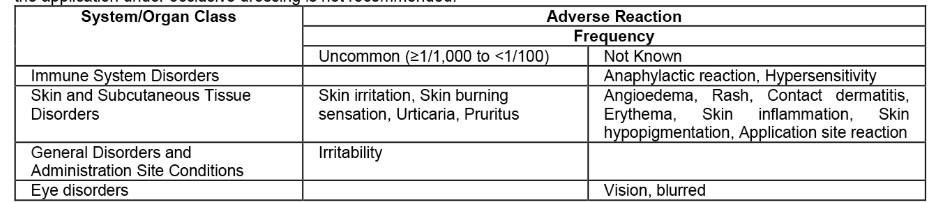
Adverse Reaction Frequency

Not Known 

Anaphylactic reaction, Hypersensitivity Angioedema, Rash, Contact dermatitis, Erythema, Skin inflammation, Skin hypopigmentation, Application site reaction Vision, blurred Prolonged and excessive use can result in skin irritation, which usually disappears after discontinuation of therapy. Topically applied corticosteroids can be absorbed in sufficient amounts to produce systemic effects.

PHARMACOLOGICAL PROPERTIES:

Pharmacodynamic effects:

Miconazole nitrate is active against dermatophytes and pathogenic yeasts, and many Gram-positive bacteria. Hydrocortisone is an anti-inflammatory steroid. Its anti-inflammatory action is due to reduction in the vascular component of the inflammatory response, suppression of migration of polymorphonuclear leukocytes, and reversal of increased capillary permeability. The vasoconstrictor action of hydrocortisone may also contribute to its anti-inflammatory activity. Pharmacokinetic properties:

Absorption:

Miconazole remains in the skin after topical application for up to 4 days. Systemic absorption of miconazole is limited, with a bioavailability of less than 1% following topical application of miconazole. Plasma concentrations of miconazole and/or its metabolites were measurable 24 and 48 hours after application. Approximately 3% of the dose of hydrocortisone is absorbed after application on the skin.

Distribution:

Absorbed miconazole is bound to plasma proteins (88.2%) and red blood cells (10.6%). More than (90%) of hydrocortisone is bound to plasma proteins.

Metabolism and elimination:

The small amount of miconazole that is absorbed is eliminated predominantly in feces as both unchanged drug and metabolites over a four-day post-administration period. Smaller amounts of unchanged drug and metabolites also appear in urine.

The half-life of hydrocortisone is about 100 minutes. Metabolism takes place in the liver and tissues and the metabolites are excreted with the urine, mostly as glucuronides, together with a very small fraction of unchanged hydrocortisone. INCOMPATIBILITIES:

Contact should be avoided between latex products such as contraceptive diaphragms or condoms and MECOZALEN CORT since the constituents of MECOZALEN CORT may damage the latex.

STORAGE CONDITIONS:

“Store at room temperature, below 25 °C”.

“Do not freeze”.

“Keep out of reach of children”.

PRESENTATION:

Aluminium tube contains 15 gram MECOZALEN CORT cream.

Aluminium tube contains 15 gram MECOZALEN CORT ointment.