MENU

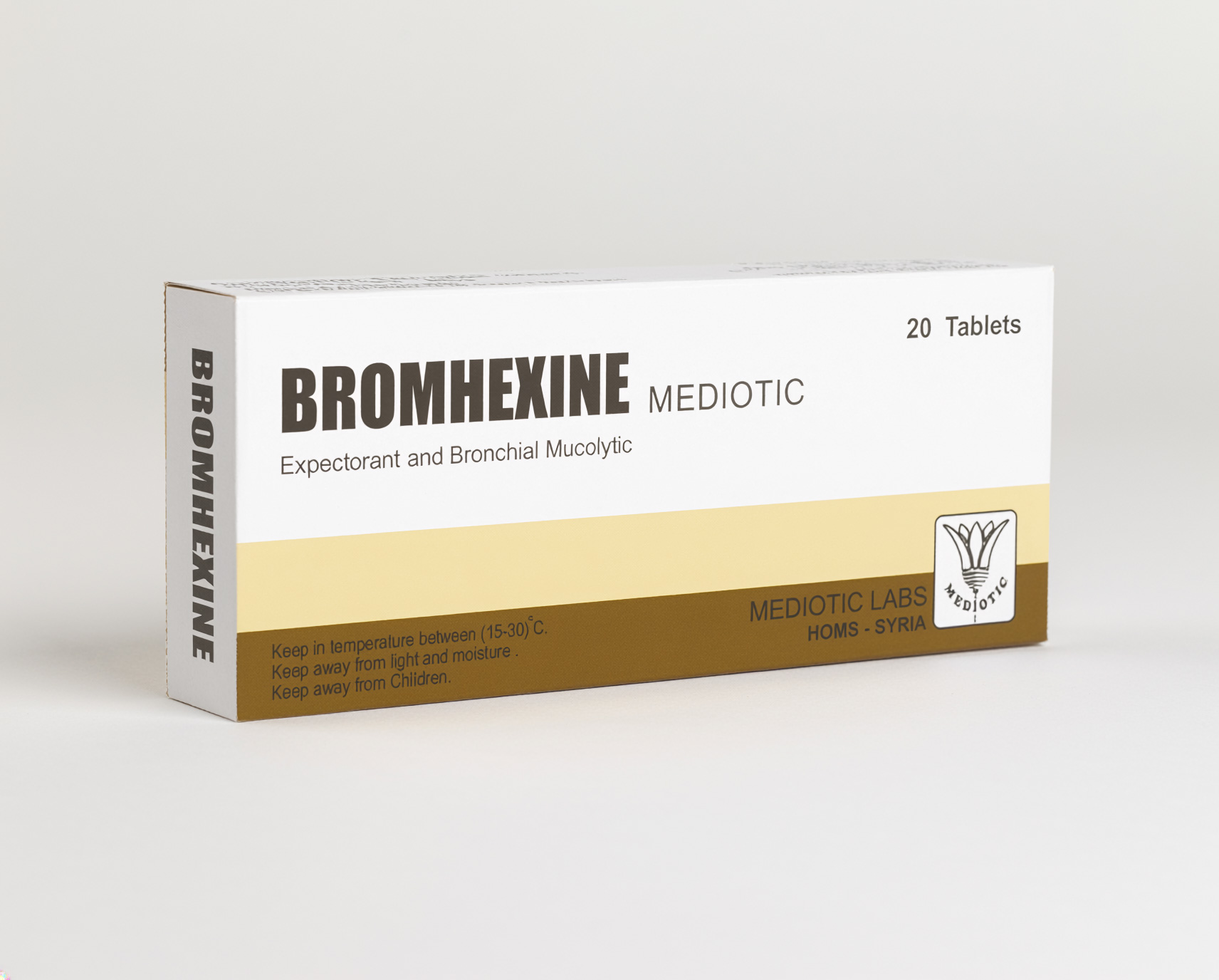
BROMEXINE

Properties:

Bromhexine acts within the bronchial mucous glands causing the fragmentation of the acid mucopolysaccharide fibers which are mainly responsible of increasing the viscosity of the bronchial secreta so Bromhexine leads to an easier expectoration.

Indications:

Bromhexine is used as an expectorant.

Bromhexine is used in conditions accompanied with excessive mucoid secreta.

Bromhexine is indicated for pneumonic bronchial diseases accompanied with increasing of the mucous secretion like in bronchitis.

Precautions:

– Bromhexine should be given cautiously to patients with gastric ulceration, renal and hepatic failure.

– Bromhexine should be given cautiously to pregnant mothers and it should not be given during lactation.

Drug Interactions:

It increases the antibiotic concentration in pneumonic tissues when associated with it.

Side Effects:

More common reactions: nausea, diarrhea, indigestion, and abdominal fullness.

Less common reactions: headache, vertigo, perspiration, and skin rash. Gastrointestinal side effects may occur occasionally, and a transient rise in serum aminotransferase may occur.

However, there is no need to discontinue using Bromhexine if any of these side effects occur.

Contraindications:

Bromhexine is contraindicated in patients with hypersensitivity to Bromhexine Hydrochloride.

Dosage & Administration:

Adults: One tablet 3 times daily.

1-2 tablespoon 3 times daily.

Children: 2-6 years: 1⁄2 teaspoon 3 times daily. 6-12 years: One teaspoon 3 times daily.

Storage:

Over 12 years: One tablespoon 3 times daily.

– Keep in temperature between (15-30)°C.

– Keep away from light and moisture.

– Keep away from Children.

Presentation:

Tablets: Carton box contains 2 blisters, each one contains 10 tablets. Solution: Plastic Bottle contains 50 ml. 

GRIPPADOL

GRIPPADOL (syrup)

125 mg paracetamol, phenylephrine HCI 2.5 mg, Guaifenesin 50 mg / 5 ml

Composition and Excipients: Each 5 ml of the syrup contains:

Paracetamol 125 mg, Phenylephrine HCI 2.5 mg, Guafenesin 50 mg.

Excipients: Sorbitol 70%, Glycerin, Alcohol 96%, Propylene glycol, Sodium saccharine, Acesulfame potassium, Sodium citrate, Xanthan gum, Citric acid monohydrate, Mint flavor, Sunset yellow, Patent Blue, Purified water.

Properties:

Paracetamol is an analgesic and antipyretic.

Guaifenesin is an expectorant.

Phenylephrine Hydrochloride is a sympathomimetic decongestant.

Pharmacokinetic properties:

Paracetamol is readily absorbed from the gastrointestinal tract, it is metabolised in the liver and excreted in the urine.

Guaifenesin is rapidly absorbed after oral administration, it is rapidly metabolised and excreted in the urine.

Phenylephrine hydrochloride is irregularly absorbed from the gastrointestinal tract and undergoes first-pass metabolism by monoamine oxidase in the gut and liver; orally administered phenylephrine has reduced bioavailability, it is excreted in the urine almost entirely.

Indications:

Short term symptomatic relief of colds, chills and influenza including chesty coughs. Contraindications:

  • Hypersensitivity to paracetamol and/or other constituents.
  • Concomitant use of other sympathomimetic decongestants.
  • Phaeochromocytoma.
  • Closed angle glaucoma.
  • Hepatic or severe renal impairment, hypertension, hyperthyroidism, diabetes, heart disease or those taking tricyclic antidepressants or beta-blocking drugs and those patients who are taking or have taken, within the last two weeks, monoamine oxidase inhibitors.
  • Children under 6 years of age

Warnings and precautions:

 Duration of therapy should not exceed 5 days

  • Care is advised in the administration of paracetamol to patients with severe renal or severe hepatic impairment. The hazards of overdose are greater in those with (non-cirrhotic) alcoholic liver disease.
  • Patients suffering from chronic cough or asthma should consult a physician before taking this product.
  • Patients should stop using the product and consult a health care professional if cough lasts for more than 5 days or comes back, or is accompanied by a fever, rash or persistent headache.
  • Medical advice should be sought before taking this product in patients with these conditions: o An enlargement of the prostate gland

o Occlusive vascular disease (e.g. Raynaud’s Phenomenon)

o Cardiovascular disease

  • This product should not be used by patients taking other sympathomimetics (such as decongestants, appetite suppressants and amphetamine-like psychostimulants)
  • Concomitant use of other paracetamol-containing products should be avoided. If symptoms persist the doctor should be consulted.
  • It should not be taken with other flu, cold or decongestant products or a cough suppressant. Drug Interaction:
  • If urine is collected within 24 hours of a dose of this product, a metabolite may cause a color interference with laboratory determinations of 5 hydroxyindoleacetic acid (5-HIAA) and vanillymandelic acid (VMA).

Paracetamol:

  • The anticoagulant effect of warfarin and other coumarins may be enhanced by prolonged regular use of paracetamol with increased risk of bleeding; occasional doses have no significant effect.
  • The hepato-toxicity of paracetamol may be potentiated by excessive intake of alcohol.
  • The speed of absorption of paracetamol may be increased by metoclopramide or domperidone and absorption reduced by colestyramine.

Phenylephrine: It should be used with caution in combination with the following drugs as interactions have been reported:

  • Monoamine oxidase inhibitors: Hypertensive interactions occur between sympathomimetic amines such as phenylephrine and monoamine oxidase inhibitors.

 Sympathomimetic amines: Concomitant use of phenylephrine with other sympathomimetic amines can increase the risk of cardiovascular side effects.

  • Beta-blockers and other antihypertensives: Phenylephrine may reduce the efficacy of beta- blocking drugs and antihypertensive drugs. The risk of hypertension and other cardiovascular side effects may be increased. 
    • Tricyclic antidepressants: May increase the risk of cardiovascular side effects with phenylephrine.
    • Ergot alkaloids (ergotamine and methylsergide): Increased risk of ergotism.
    • Digoxin and cardiac glycosides: Increase the risk of irregular heartbeat or heart attack. Pregnancy and lactation:

    -This product should not be used during pregnancy without medical advice. The safety of guaiphenesin and phenylephrine during pregnancy has not been established.

    -Paracetamol and phenylephrine are excreted in breast milk but not in a clinically significant amount. This product should not be used whilst breast feeding without medical advice. Effects on ability to drive and use machines:

    Patients should be advised not to drive or operate machinery if affected by dizziness.

  • Side effects:Paracetamol: Due to limited clinical trial data, the frequency of these adverse events is not known. Events reported from extensive post-marketing experience at therapeutic/labelled dose are the following: Thrombocytopenia, Agranulocytosis, Anaphylaxis, Cutaneous hypersensitivity reactions including (skin rashes, angiodema and Stevens Johnson syndrome, toxic epidermal necrolysis), Bronchospasm( There have been cases of bronchospasm with paracetamol, but these are more likely in asthmatics sensitive to aspirin or other NSAIDs), Hepatic dysfunction, Acute pancreatitis.Phenylephrine: The following adverse events have been observed in clinical trials and may therefore represent the most commonly occurring adverse events: Nervousness, irritability, restlessness, and excitability, Headache, dizziness, insomnia, increased blood pressure, Nausea, Vomiting, diarrhea.

    Guaifenesin: The frequency of the following events is unknown but considered likely to be rare: Allergic reactions, angioedema, anaphylactic reactions, Dyspnoea, Nausea, vomiting, abdominal discomfort, Rash, urticaria

    Dosage and Administration:

    Duration of therapy should not exceed 5 days.

    For 125 mg paracetamol, phenylephrine hcl 2.5 mg, Guaifenesin 50 mg/5 ml:

    Adults and children 12 years and over: four 5 ml spoonfuls. Repeat every four hours as necessary. Do not exceed four doses per 24 hours.

    Children 6-12 years of age: should not be given except on medical advice.

    Children under 6 years: contraindicated.

    Elderly: The normal adult dose may be taken.

    Overdose:

    Immediate medical advice should be sought in the event of an overdose, because of the risk of delayed, serious liver damage

    Paracetamol: Liver damage is possible in adults who have taken 10g or more of paracetamol. Ingestion of 5g or more of paracetamol may lead to liver damage if the patient has risk factors (If the patient, Is on long term treatment with (carbamazepine, phenobarbitone, phenytoin, primidone, rifampicin, St John’s Wort or other drugs that induce liver enzymes), Regularly consumes ethanol in excess of recommended amounts or Is likely to be glutathione deplete e.g. eating disorders, cystic fibrosis, HIV infection, starvation, cachexia).

    Symptoms of paracetamol overdosage in the first 24 hours are pallor, nausea, vomiting, anorexia and abdominal pain. Liver damage may become apparent 12 to 48 hours after ingestion. In severe poisoning, hepatic failure may progress to encephalopathy, haemorrhage, hypoglycaemia, cerebral oedema, and death.

    Acute renal failure with acute tubular necrosis strongly suggested by loin pain, hematuria and proteinuria may develop even in the absence of severe liver damage. Cardiac arrhythmias and pancreatitis have been reported.

    Immediate treatment is essential in the management of paracetamol overdose. Despite a lack of significant early symptoms, patients should be referred to hospital urgently for immediate medical attention. Symptoms may be limited and may not reflect the severity of overdose or the risk of organ damage. Treatment with activated charcoal should be considered if the overdose has been taken within 1 hour. Treatment with N-acetylcysteine may be used up to 24 hours after ingestion of paracetamol. The effectiveness of the antidote declines sharply after 8 hours.

    Phenylephrine: Phenylephrine overdosage is likely to result in effects similar to those listed under adverse reactions. Additional symptoms may include hypertension and reflux bradycardia. In severe cases confusion, hallucinations, seizures, and arrhythmia may occur. Treatment should be as clinically appropriate. Severe hypertension may need to be treated with an alpha blocking drug such as phentolamine.

    Guaifenesin: Very large doses of guaifenesin cause nausea and vomiting. Vomiting would be treated by fluid replacement and monitoring of electrolytes.

    Storage conditions:

    Store at room temperature, (15–25) °C.

    Packaging:

    Glass bottle of 100 mL/carton box, with a measured cap.

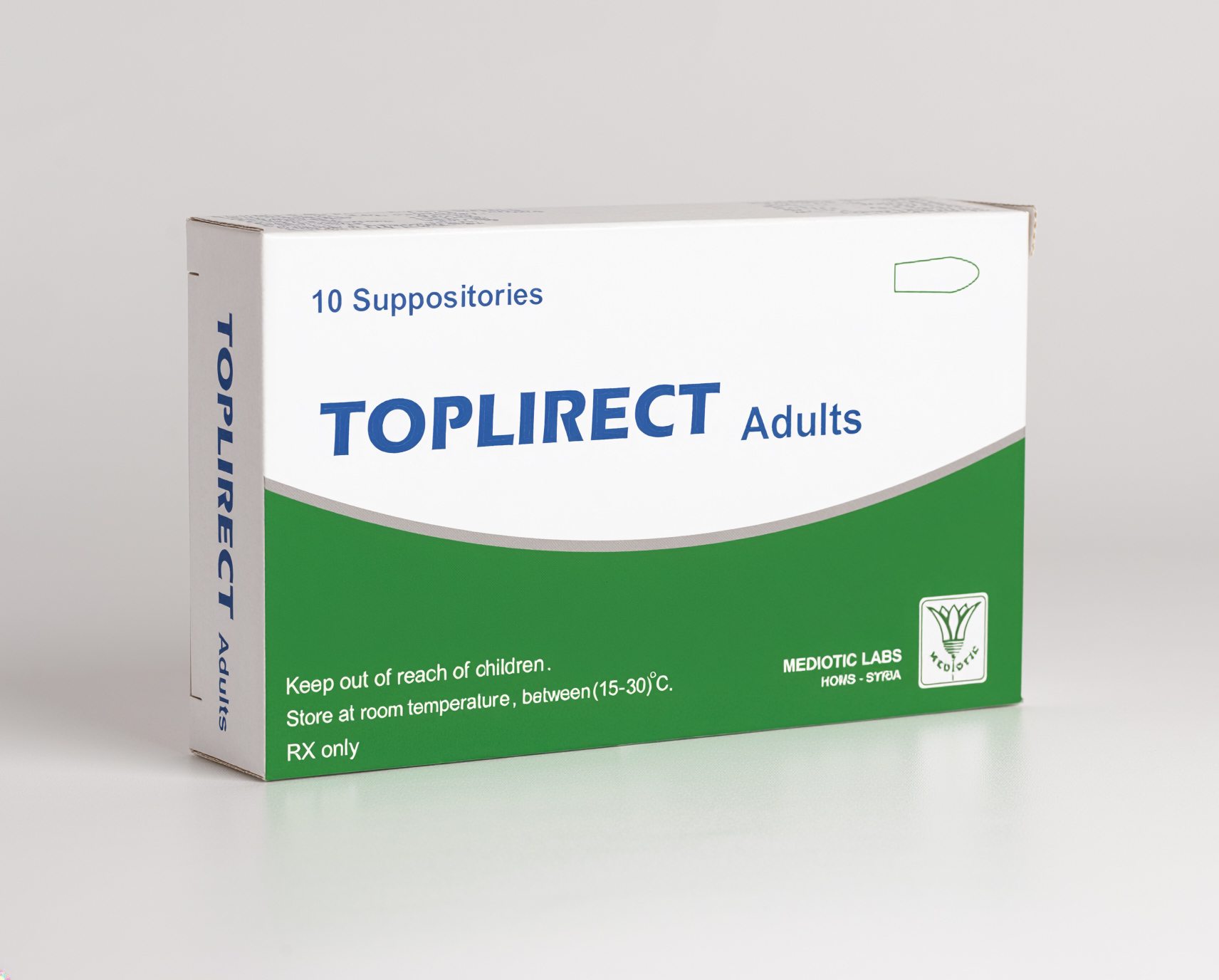
Toplirect Adult

TOPLIRECT(Children-Adults)

oxomemazine, guaifenesin, paracetamol, Sodium benzoate

suppositories

KI KP Adults Toplirect suppository contains: Oxomemazine 6.6 mg, Paracetamol 133.2 mg, Guaifenesin 133.2 mg, Sodium benzoate 133.2 mg. KI KP Children Toplirect suppository contains: Oxomemazine 3.3 mg, Paracetamol 66.6 mg, Guaifenesin 66.6 mg, Sodium benzoate 66.6 mg. Excipients: Hydrogenated vegetable oil.

Pharmacologic properties:

this drug is a combination of four substances: oxomemazine, synthetic antihistamine, with antitussive and sedative properties; guaifenesin, antiseptic of the airways, fluidifying bronchial secretions and expectorant, paracetamol, analgesic and antipyretic properties, and of sodium benzoate; causing less ammonia to be produced by the body. therefore it is used in the treatment of cough of inflammatory, allergic or even infectious origin and may be associated with antibiotics or anti-inflammatories, depending on the origin of the cough. INDICATION:

Symptomatic treatment of cough (irritative, non-productive, spasmodic, dry) associated with various respiratory conditions.

CONTRAINDICATIONS:

  • Children under 2 years of age.
  • It should not be given with other product containing paracetamol.
  • It should not be given to patients allergic to the any of the components.
  • Linked to oxomemazine: respiratory insufficiency, which ever be the degree.
  • Linked to paracetamol: hepatocellular insufficiency.
  • Tell the doctor if the patients have respiratory problems, liver problems or diabetic.
  • Breast feeding.
  • Allergic reaction.

PRECAUTIONS AND WARNINGS:

  • Prior to the initiation of antitussive treatment, it is appropriate to investigate causes of cough to identify those that require etiological treatment itself, mainly asthma, cancer, endobronchial affections, among others.
  • if cough persists after administration of antitussive in usual doses, it is not advisable to increase the dosage, but to make a review of the clinical status.
  • The doctor should be informed about the pre-existing diseases, allergies and current health conditions.
  • Caution should be exercised when administering this drug to vehicle drivers or potentially dangerous machinery due to the risk of drowsiness.

Pregnancy:

The safety of this drug during pregnancy has not been established. Therefore, it is recommended that its use only be made after evaluation of the risk-benefit ratio.

Use in elderly:

There are no special warnings and recommendations on the proper use of this drug in elderly patients DRUG INTERACTIONS:

  • Linked to oxomemazine: alcoholic beverages should be avoided during treatment.
  • Tell the doctor about any medicines that the patients are taking, before starting, or during treatment.
  • This drug may potentiate CNS depressants as well as central atropines, when in combination with other anticholinergic substances (other antihistamines, imipramine, phenothiazine, antiparkinsonians, anticholinergics, atropine antispasmodics and disopyramide). This drug may interact with the following drugs: lomitapide, mipomersen, Ketoconazole, Leflunomide, Prilocaine, Probenecid, Teriflunomide.

This drug may Interfere with certain laboratory tests.

Adverse Reactions:

  • In general, the body has a high tolerance to this drug.
  • The most commonly observed adverse effect is drowsiness. more rarely, constipation and urinary retention, mental confusion, dry mouth, gastrointestinal effects(in particular digestive intolerance), tardive dyskinesias, leucopenia and agranulocytosis may be observed. • If any unpleasant reaction occurs during treatment, tell the doctor immediately.
  • Consult the doctor if the patient observes any of the following side-effects: Stomach pain, Loose motions, Vomiting, Itchy skin rash, Rash, Feeling of sickness, Skin reddening, Shortness of breath, Swollen facial features, Nausea, Abnormalities of blood cells, Less white blood cells, Acute renal tubular necrosis, Blood dyscrasias, Changes in skin color, Cold hands and feet, Confusion, Dry mouth, Fever or chills, Dry skin, Increased hunger, Increased thirst.

Dosage and administration:

  • For the suppository 6.6 mg/ 133.2 mg/ 133.2 mg/ 133.2 mg:

Adults: 1 suppository in the morning and evening.

  • For the suppository 3.3 mg/ 66.6 mg/ 66.6 mg/ 66.6 mg:

Children 2 to 12 years of age: 1 suppository three times daily.

 always respecting the schedules, the doses and the duration of the treatment.

  • Discontinuation of treatment: the treatment should not be discontinued without the knowledge of the doctor.
  • In case of missing a dose, it should be used as soon as noticing. If it is close to the time of the next dose, skip the missed dose and resume the dosing schedule. extra dose should not be used to make up for a missed dose.

OVERDOSE:

Linked to oxomemazine: the clinical picture may be characterized by depression and coma. Treatment is symptomatic and

may be necessary. artificial respiration and anticonvulsants.

Linked to paracetamol: a solid dosage causes hepatic cytolysis, with susceptibility to complete and irreversible necrosis. The clinical signs manifest usually within the first 24 hours. Treatment should be performed in specialized unit.

Storage conditions:” store at room temperature, between (15-30°C).

“Keep out of reach of children”.

How supplied: 2 plastic blister contain 10 Toplirect children /cartoon.

2 plastic blister contain 10 Toplirect Adults /cartoon.

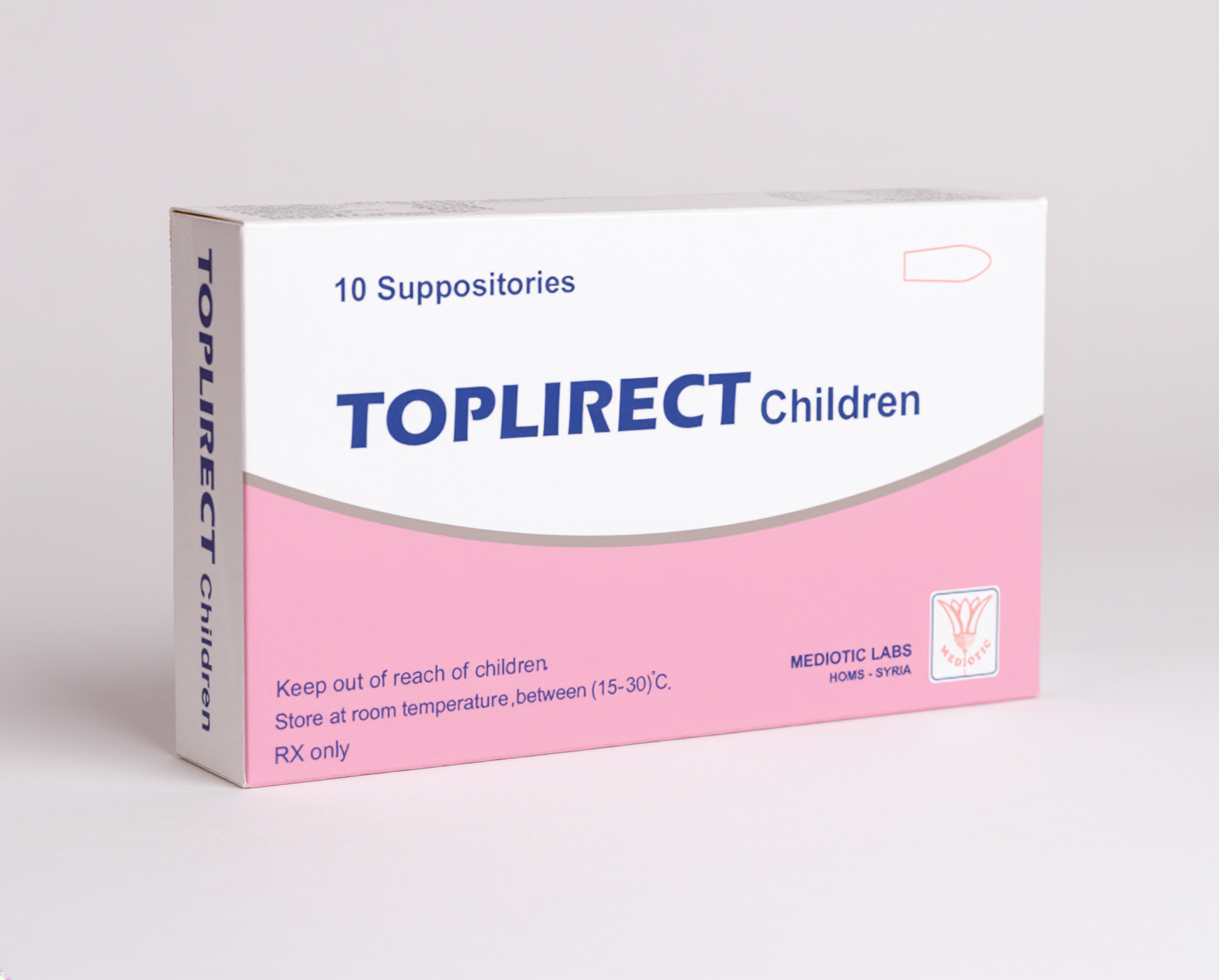
Toplirect children

TOPLIRECT(Children-Adults)

oxomemazine, guaifenesin, paracetamol, Sodium benzoate

suppositories

KI KP Adults Toplirect suppository contains: Oxomemazine 6.6 mg, Paracetamol 133.2 mg, Guaifenesin 133.2 mg, Sodium benzoate 133.2 mg. KI KP Children Toplirect suppository contains: Oxomemazine 3.3 mg, Paracetamol 66.6 mg, Guaifenesin 66.6 mg, Sodium benzoate 66.6 mg. Excipients: Hydrogenated vegetable oil.

Pharmacologic properties:

this drug is a combination of four substances: oxomemazine, synthetic antihistamine, with antitussive and sedative properties; guaifenesin, antiseptic of the airways, fluidifying bronchial secretions and expectorant, paracetamol, analgesic and antipyretic properties, and of sodium benzoate; causing less ammonia to be produced by the body. therefore it is used in the treatment of cough of inflammatory, allergic or even infectious origin and may be associated with antibiotics or anti-inflammatories, depending on the origin of the cough. INDICATION:

Symptomatic treatment of cough (irritative, non-productive, spasmodic, dry) associated with various respiratory conditions.

CONTRAINDICATIONS:

  • Children under 2 years of age.
  • It should not be given with other product containing paracetamol.
  • It should not be given to patients allergic to the any of the components.
  • Linked to oxomemazine: respiratory insufficiency, which ever be the degree.
  • Linked to paracetamol: hepatocellular insufficiency.
  • Tell the doctor if the patients have respiratory problems, liver problems or diabetic.
  • Breast feeding.
  • Allergic reaction.

PRECAUTIONS AND WARNINGS:

  • Prior to the initiation of antitussive treatment, it is appropriate to investigate causes of cough to identify those that require etiological treatment itself, mainly asthma, cancer, endobronchial affections, among others.
  • if cough persists after administration of antitussive in usual doses, it is not advisable to increase the dosage, but to make a review of the clinical status.
  • The doctor should be informed about the pre-existing diseases, allergies and current health conditions.
  • Caution should be exercised when administering this drug to vehicle drivers or potentially dangerous machinery due to the risk of drowsiness.

Pregnancy:

The safety of this drug during pregnancy has not been established. Therefore, it is recommended that its use only be made after evaluation of the risk-benefit ratio.

Use in elderly:

There are no special warnings and recommendations on the proper use of this drug in elderly patients DRUG INTERACTIONS:

  • Linked to oxomemazine: alcoholic beverages should be avoided during treatment.
  • Tell the doctor about any medicines that the patients are taking, before starting, or during treatment.
  • This drug may potentiate CNS depressants as well as central atropines, when in combination with other anticholinergic substances (other antihistamines, imipramine, phenothiazine, antiparkinsonians, anticholinergics, atropine antispasmodics and disopyramide). This drug may interact with the following drugs: lomitapide, mipomersen, Ketoconazole, Leflunomide, Prilocaine, Probenecid, Teriflunomide.

This drug may Interfere with certain laboratory tests.

Adverse Reactions:

  • In general, the body has a high tolerance to this drug.
  • The most commonly observed adverse effect is drowsiness. more rarely, constipation and urinary retention, mental confusion, dry mouth, gastrointestinal effects(in particular digestive intolerance), tardive dyskinesias, leucopenia and agranulocytosis may be observed. • If any unpleasant reaction occurs during treatment, tell the doctor immediately.
  • Consult the doctor if the patient observes any of the following side-effects: Stomach pain, Loose motions, Vomiting, Itchy skin rash, Rash, Feeling of sickness, Skin reddening, Shortness of breath, Swollen facial features, Nausea, Abnormalities of blood cells, Less white blood cells, Acute renal tubular necrosis, Blood dyscrasias, Changes in skin color, Cold hands and feet, Confusion, Dry mouth, Fever or chills, Dry skin, Increased hunger, Increased thirst.

Dosage and administration:

  • For the suppository 6.6 mg/ 133.2 mg/ 133.2 mg/ 133.2 mg:

Adults: 1 suppository in the morning and evening.

  • For the suppository 3.3 mg/ 66.6 mg/ 66.6 mg/ 66.6 mg:

Children 2 to 12 years of age: 1 suppository three times daily.

 always respecting the schedules, the doses and the duration of the treatment.

  • Discontinuation of treatment: the treatment should not be discontinued without the knowledge of the doctor.
  • In case of missing a dose, it should be used as soon as noticing. If it is close to the time of the next dose, skip the missed dose and resume the dosing schedule. extra dose should not be used to make up for a missed dose.

OVERDOSE:

Linked to oxomemazine: the clinical picture may be characterized by depression and coma. Treatment is symptomatic and

may be necessary. artificial respiration and anticonvulsants.

Linked to paracetamol: a solid dosage causes hepatic cytolysis, with susceptibility to complete and irreversible necrosis. The clinical signs manifest usually within the first 24 hours. Treatment should be performed in specialized unit.

Storage conditions:” store at room temperature, between (15-30°C).

“Keep out of reach of children”.

How supplied: 2 plastic blister contain 10 Toplirect children /cartoon.

2 plastic blister contain 10 Toplirect Adults /cartoon.

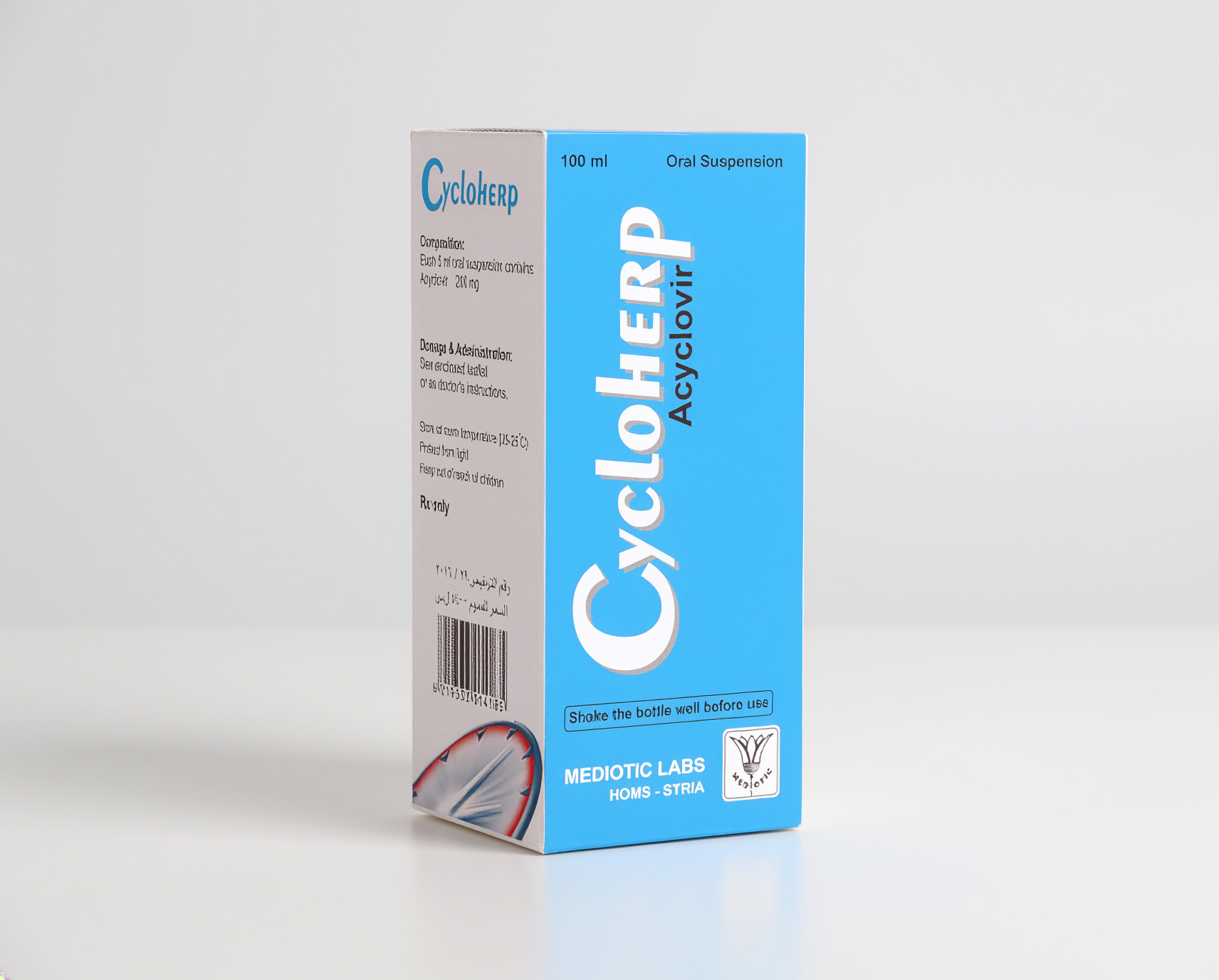
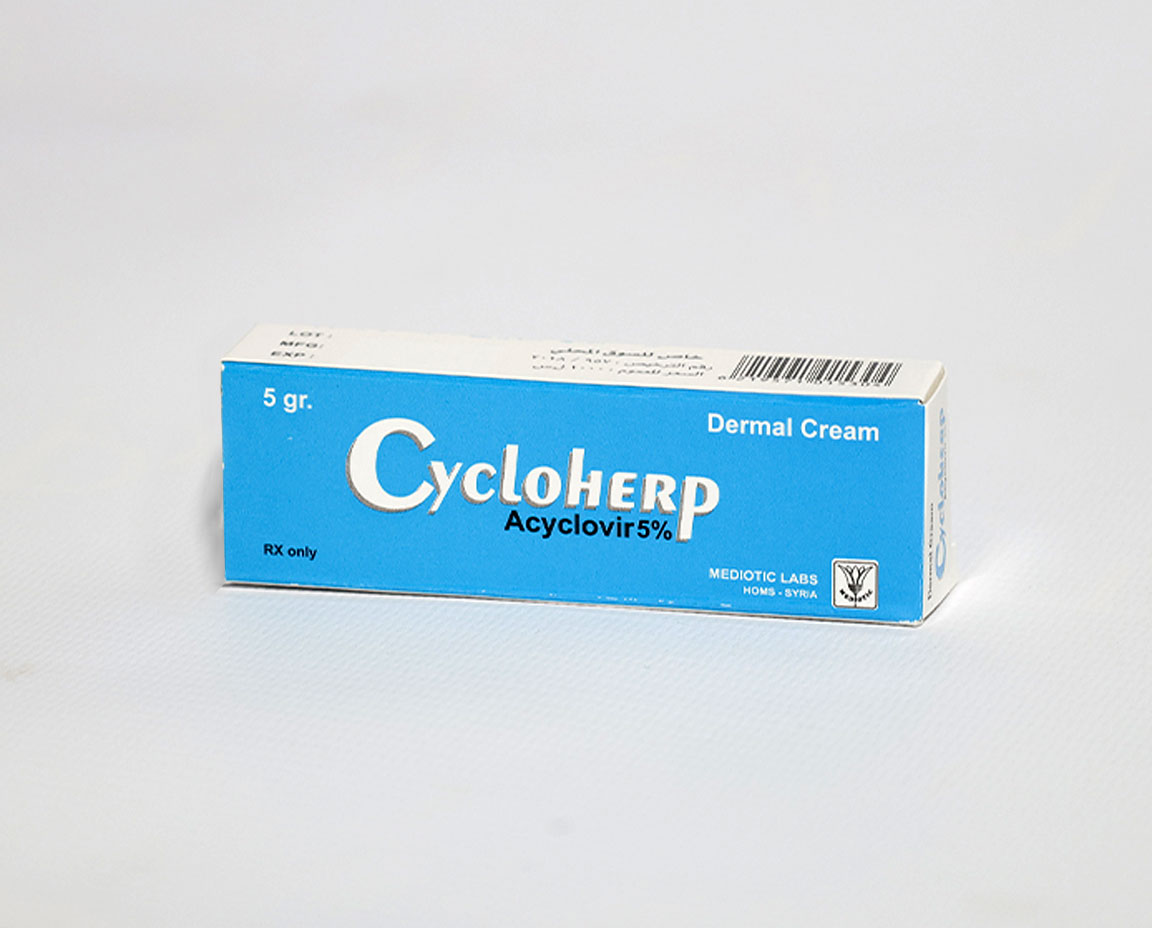
Cycloherp 5%

Description:

Acyclovir is a synthetic purine nucleoside analogue with in vitro and in vivo inhibitory activity against herpes simplex virus types 1 (HSV-1), 2 (HSV-2) and varicella-zoster virus (VZV).

The inhibitory activity of acyclovir is highly selective due to its affinity for the enzyme thymidine kinase (TK) encoded by HSV and VZV.

Pharmacokinetics:

Systemic absorption of acyclovir after topical application is minimal.

Indications:

It is indicated in the management of initial genital herpes and in limited non-life threatening

mucocutaneous Herpes simplex virus infections in immunocompromised patients.

Contraindications

It is contraindicated in patients who develop hypersensitivity to the components of the formulation. Warnings & Precautions:

-Acyclovir Cream 5% is intended for cutaneous use only and should not be used in the eye -The recommended dosage, frequency of applications and length of treatment should not be exceeded.

-There are no data to support the use of Acyclovir Cream 5% to prevent transmission of infection to other persons or prevent recurrent infections when applied in the absence of signs and symptoms. It should not be used for the prevention of recurrent HSV infections.

-Although clinically significant viral resistance associated with the use of Acyclovir Cream 5% has not been observed, this possibility exists.

Drug Interactions:

Clinical experience has identified no interactions resulting from topical or systemic administration of other drugs concomitantly with Acyclovir Cream 5%.

Carcinogenesis:

Systemic exposure following topical administration of acyclovir is minimal, Dermal carcinogenicity studies were not conducted.

Pregnancy:

Teratogenic Effects: Category B

There are no adequate and well controlled studies of systemic acyclovir in pregnant women. Systemic acyclovir should be used during pregnancy only if the potential benefit justifies the potential risk to the fetus.

Nursing Mothers:

It is not known whether topically applied acyclovir is excreted in breast milk. Nursing mothers who have active herpetic lesions near or on the breast should avoid nursing.

Geriatric Use:

Clinical experience has not identified differences in responses between the elderly and younger patients.

Pediatric Use:

Safety and effectiveness in pediatric patients have not been established

Adverse Reactions:

Mild pain (including transient burning and stinging), Local pruritus

Dosage and Administration:

Apply sufficient quantity to adequately cover all lesions every 3 hours, 6 times per day for 7 days. The dose size per application will vary depending upon the total lesion area but should approximate a 1.25 cm of cream per 25 cm2 of surface area.

A finger cot or rubber glove should be used when applying Acyclovir Cream to prevent

autoinoculation of other body sites and transmission of infection to other persons. Therapy should

be initiated as early as possible following onset of signs and symptoms.

Overdosage:

Overdosage by topical application of Acyclovir Cream 5% is unlikely because of limited

transcutaneous absorption

Packaging: Internally coated metallic tube of 5 g or 20 g/carton box.

Storage Conditions:

“Keep out of Reach of Children”

Do not refrigerate

Store below 25° C.

Rx Only

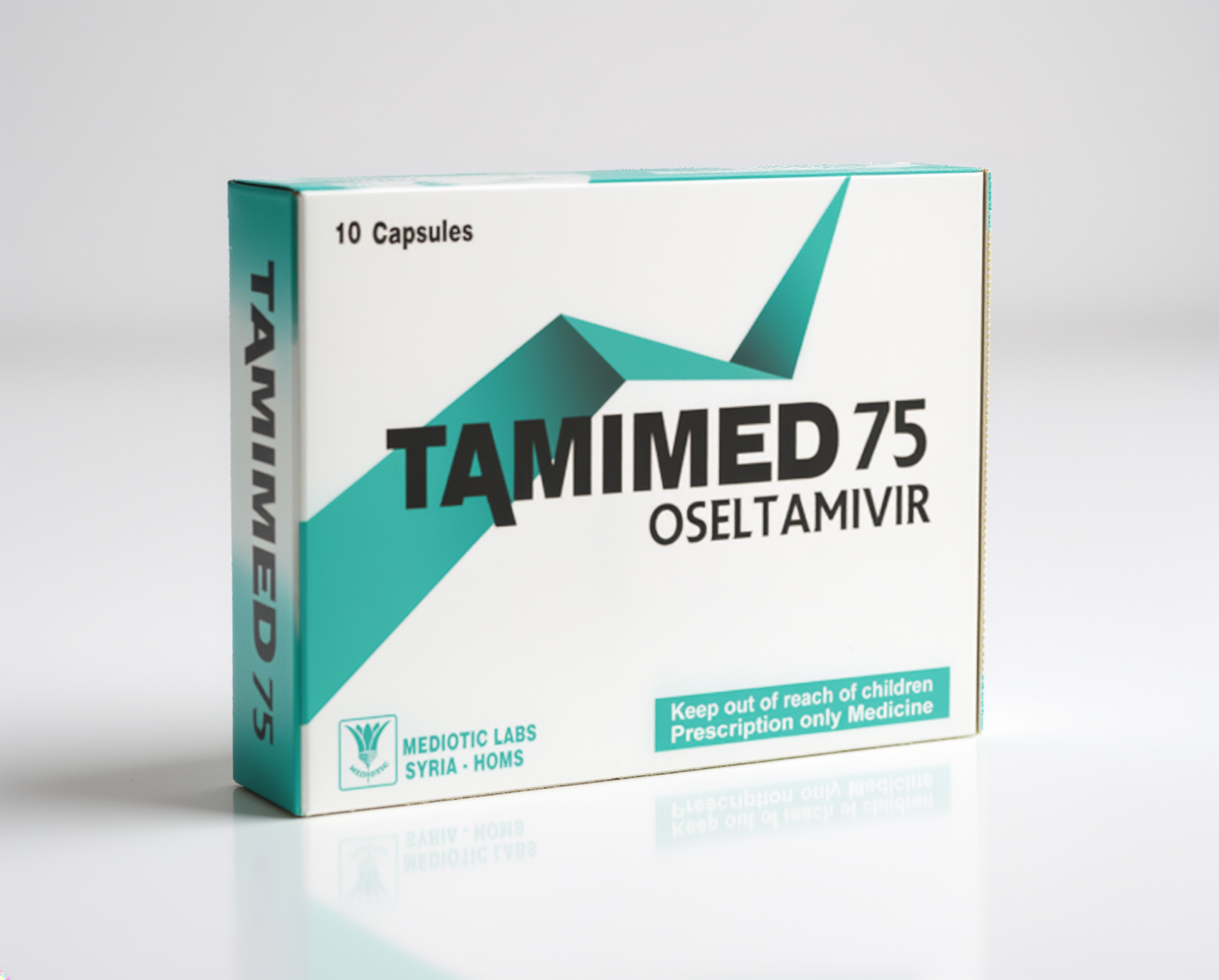
TAMIMED 75

Oseltamivir 30, 45, 75 mg

Composition: Each capsule contains: 30 mg, 45 mg, or 75 mg oseltamivir, in the form of oseltamivir phosphate. Excipients: pregelatinized starch, talc, povidone, croscarmellose sodium, and magnesium stearate. Mechanism Of Action:

Oseltamivir is an antiviral drug with activity against influenza virus.

Pharmacokinetics:

Absorption and Bioavailability: Oseltamivir is absorbed from the gastrointestinal tract after oral administration of oseltamivir phosphate and is extensively converted predominantly by hepatic esterases to oseltamivir carboxylate. At least 75% of an oral dose reaches the systemic circulation as oseltamivir carboxylate and less than 5% of the oral dose reaches the systemic circulation as oseltamivir.

Coadministration with food had no significant effect on the peak plasma concentration, and the area under the plasma concentration time curve of oseltamivir carboxylate.

Distribution: The volume of distribution (Vss) of oseltamivir carboxylate, following intravenous administration in 24 subjects, ranged between 23 and 26 liters. The binding of oseltamivir carboxylate to human plasma protein is low (3%). The binding of oseltamivir to human plasma protein is 42%, which is insufficient to cause significant displacement-based drug interactions.

Elimination: Absorbed oseltamivir is primarily (>90%) eliminated by conversion to the active metabolite, oseltamivir carboxylate. Plasma concentrations of oseltamivir declined with a half-life of 1 to 3 hours in most subjects after oral administration. Oseltamivir carboxylate is not further metabolized and is eliminated unchanged in urine. Plasma concentrations of oseltamivir carboxylate declined with a half-life of 6 to 10 hours in most subjects after oral administration.

Metabolism: Oseltamivir is extensively converted to the active metabolite, oseltamivir nor oseltamivir carboxylate is a substrate for, or inhibitor of, cytochrome P450 isoforms.

Excretion: Oseltamivir carboxylate is eliminated entirely (>99%) by renal excretion. Less than 20% of an oral radiolabeled dose is eliminated in feces.

Indications:

it is indicated for:

– Treatment of acute, uncomplicated influenza A and B in patients 2 weeks of age and older who have been symptomatic for no more than 48 hours.

– Prophylaxis of influenza A and B in patients 1 year and older.

Limitations of Use:

– Not a substitute for annual influenza vaccination.

– Consider available information on influenza drug susceptibility patterns and treatment effects when deciding whether to use.

Not recommended for patients with end-stage renal disease not undergoing dialysis.

Contraindications:

it is contraindicated in patients with known serious hypersensitivity to oseltamivir or any component of the product. Severe allergic reactions have included anaphylaxis and serious skin reactions including toxic epidermal necrolysis, Stevens-Johnson Syndrome, and erythema multiforme .

Side Effects:

Most common adverse reactions include:

Nausea, vomiting, headache. The common adverse reactions is Bronchitis, Herpes, Nasopharyngitis, Upper respiratory tract infections, Sinusitis, Insomnia, Cough, Sore throat, Rhinorrhea, Abdominal pain (incl. upper abdominal pain), Dyspepsia, Pain, Dizziness (incl. vertigo), Fatigue, Pyrexia, Pain in limb (Treatment studies). Cough, Nasal congestion, vomiting, headache, Otitis media, Conjunctivitis(including red eyes, eye discharge and eye pain), Earache, Rhinorrhoea, Abdominal pain (incl. upper abdominal pain), Dyspepsia, Nausea (Prophylaxis studies). Paediatric population (infants less than one year of age): vomiting, diarrohea and diaper rash being the most frequently reported adverse events.

Precautions & Warnings:

Serious Skin/Hypersensitivity Reactions: Cases of anaphylaxis and serious skin reactions including toxic epidermal necrolysis, Stevens-Johnson Syndrome, and erythema multiforme have been reported in postmarketing experience. Stop THE DRUG and institute appropriate treatment if an allergic-like reaction occurs or is suspected. Neuropsychiatric Events: There have been postmarketing reports of delirium and abnormal behavior leading to injury, and in some cases resulting in fatal outcomes, in patients with influenza who were receiving the drug. These events were reported primarily among pediatric patients and often had an abrupt onset and rapid resolution. Influenza can be associated with a variety of neurologic and behavioral symptoms that can include events such as hallucinations, delirium, and abnormal behavior, in some cases resulting in fatal outcomes. These events may occur in the setting of encephalitis or encephalopathy but can occur without obvious severe disease. Closely monitor the drug-treated patients with influenza for signs of abnormal behavior. If neuropsychiatric symptoms occur, evaluate the risks and benefits of continuing THE DRUG for each patient.

Risk of Bacterial Infections: There is no evidence for efficacy of the drug in any illness caused by pathogens other than influenza viruses. Serious bacterial infections may begin with influenza-like symptoms or may coexist with or occur as complications during the course of influenza. Oseltamivir has not been shown to prevent such complications. Prescribers should be alert to the potential for secondary bacterial infections and treat them as appropriate.

Fructose Intolerance In Patients With Hereditary Fructose Intolerance

Fructose can be harmful to patients with hereditary fructose intolerance. One dose of 75 mg THE DRUG for oral suspension delivers 2 grams of sorbitol. This is above the daily maximum limit of sorbitol for patients with hereditary fructose intolerance, and may cause dyspepsia and diarrhea.

Drug Interactions:

Influenza Vaccines:

Live Attenuated Influenza Vaccine :

The concurrent use of Oseltamivir with live attenuated influenza vaccine (LAIV) intranasal has not been evaluated. However, because of the potential for Oseltamivir to inhibit replication of live vaccine virus and possibly reduce the efficacy of LAIV, avoid administration of LAIV within 2 weeks before or 48 hours after Oseltamivir administration, unless medically indicated.

Inactivated Influenza Vaccine :

Inactivated influenza vaccine can be administered at any time relative to use of oseltamivir.

Pregnancy: Pregnancy Category C

Oseltamivir should be used during pregnancy only if the potential benefit justifies the potential risk to the fetus. Nursing Mothers:

Based on limited published data, Oseltamivir and oseltamivir carboxylate are present in human milk at low levels considered unlikely to lead to toxicity in the breastfed infant. Exercise caution when Oseltamivir is administered to a nursing woman.

Renal Impairment: Patients with renal impairment had higher blood levels of oseltamivir carboxylate compared to patients with normal renal function which may increase the risk of Oseltamivir -associated adverse reactions. Therefore, dosage adjustment is recommended for patients with a serum creatinine clearance between 10 and 60 mL/minute and for patients with end-stage renal disease (ESRD) undergoing routine hemodialysis or continuous peritoneal dialysis treatment. Oseltamivir is not recommended for patients with ESRD not undergoing dialysis.

Hepatic Impairment:

No dosage adjustment is required in patients with mild to moderate hepatic impairment. The safety and

pharmacokinetics in patients with severe hepatic impairment have not been evaluated.

Use in Patients with Chronic Conditions: Efficacy of Oseltamivir in the treatment of influenza in patients with chronic cardiac disease and/or respiratory disease was evaluated in one randomized, placebo-controlled clinical trial. Efficacy in this population, as measured by time to alleviation of all symptoms, was not established, but no new safety signals were identified.

Immunocompromised Patients:

Efficacy of Oseltamivir for the treatment or prophylaxis of influenza has not been established in immunocompromised patients. Safety of Oseltamivir for prophylaxis of influenza has been demonstrated for up to 12 weeks in

immunocompromised patients.

Dosage & Administration:

The capsules and oral suspension may be taken with or without food; however, tolerability may be enhanced if it is taken with food

Treatment of influenza:

Adults and adolescents (13 years and older): 75 mg twice daily for 5 days (one 75 mg capsule or 12.5 mL of oral suspension twice daily) for 5 days.

for oral suspension (supplied as a powder,capsules may be opened and mixed with sweetened liquids such as regular or sugar-free chocolate syrup, corn syrup, caramel topping, or light brown sugar (dissolved in water). This is the preferred formulation (6 mg per mL) for patients who cannot swallow capsules.

Therapy should be initiated as soon as possible within the first two days of onset of symptoms of influenza. Post-exposure prevention: The recommended dose for prevention of influenza following close contact with an infected individual is 75 mg oseltamivir once daily for 10 days for adolescents (13 to 17 years of age) and adults.

Body Weight Recommended dose for 5 days 40 kg< 75 mg twice daily Body Weight Recommended dose for 10 days 40<kg 75 mg once daily

Therapy should begin as soon as possible within two days of exposure to an infected individual.

Prevention during an influenza epidemic in the community: The recommended dose for prevention of influenza during a community outbreak is 75 mg oseltamivir once daily for up to 6 weeks.

Paediatric population

Children 1 to 12 years of age

30 mg, 45 mg and 75 mg capsules and oral suspension are available for infants and children 1 year of age or older Treatment: The following weight-adjusted dosing regimens are recommended for treatment of infants and children 1 year of age or older:


Prevention during an influenza epidemic in the community: The recommended dose for prevention of influenza during a community outbreak is 75 mg oseltamivir once daily for up to 6 weeks.

Paediatric population

Children 1 to 12 years of age

30 mg, 45 mg and 75 mg capsules and oral suspension are available for infants and children 1 year of age or older Treatment: The following weight-adjusted dosing regimens are recommended for treatment of infants and children 1 year of age or older:

 

Treatment should be initiated as soon as possible within the first two days of onset of symptoms of influenza. Post-exposure prevention: The recommended post-exposure prevention dose of is:

Body Weight

10 kg to 15 kg

> 15 kg to 23 kg

> 23 kg to 40 kg

> 40 kg

Recommended dose for 10 days

30 mg once daily

45 mg once daily

60 mg once daily

75 mg once daily

Prevention during an influenza epidemic in the community: Prevention during an influenza epidemic has not been studied in children below 12 years of age. Infants 0

12 months of age

Treatment: The recommended treatment dose for infants 0 – 12 months of age is 3 mg/kg twice daily. The following dosing regimen is recommended for treatment of infants 0 – 12 months of age:

Body weight

3 kg

Recommended dose for 5 days

9 mg twice daily

12 mg twice daily

4 kg

5 kg

6 kg

15 mg twice daily

18 mg twice daily

9 kg 10 kg

27 mg twice daily

30 mg twice daily


One large oral dose dispenser to measure out water – a 5 or 10 ml dispenser

One small oral dose dispenser showing measurements of 0.1 ml, to give the dose Teaspoon (5 ml spoon)

Water

Sweet food to hide the bitter taste of the powder

Examples are: chocolate or cherry syrup and dessert toppings such as caramel or fudge sauce.

Or you can make sugar water: mix a teaspoon of water with three-quarters (3/4) of a

teaspoon of sugar.

Step 1: Pour all the powder into a bowl

Hold a 75 mg capsule upright over one of the bowls and carefully snip off the rounded tip with scissors. Be careful with the powder: it may irritate your skin and eyes.

Pour all of the powder into the bowl, whatever the dose you are making.

The amount is the same whether you are treating or preventing flu.

Repeat this procedure every time you need to give the medicine.

Step 2: Add water to dilute the medicine

Use the larger dispenser to draw up 12.5 ml water. Add the water to the powder in the bowl. Stir the mixture with the teaspoon for about 2 minutes.

Don’t worry if not all of the powder dissolves. The undissolved powder is just inactive ingredients.

Step 3: Choose the correct amount for your child’s weight

Look up the child’s weight on the left side of the table.

The column on the right of the table shows how much of the liquid mixture you will need to draw up. Infants less than 1 year (including full-term newborn babies)

Child’s weight(nearest)

3 kg 3.5 kg

How mixture to draw much up

1.5 ml

1.8 ml

2.0 ml

4 kg

2.3 ml

4.5 kg

2.5 ml

5 kg

2.8 ml

5.5 kg

3.0 ml

6 kg

3.3 ml

6.5 kg

3.5 ml

7 kg

3.8 ml

7.5 kg

4.0 ml

8 kg

4.3 ml

8.5 kg

4.5 ml

9 kg

4.8 ml

9.5 kg

10 kg or more

Children 1 year or older, weighing less than 40 kg

Child’s weight (nearest)

5.0 ml

How much mixture to draw up

5.0 ml

Up to 15 kg

15 to 23 kg

7.5 ml

10.0 ml

23 to 40 kg

Step 4: Draw up the liquid mixture

Make sure you have the right size dispenser.

Draw up the correct amount of liquid mixture from the first bowl.

Draw it up carefully so as not to include air bubbles.

Gently squirt the correct dose into the second bowl.

Step 5: Sweeten and give to the child

Add a small amount – no more than one teaspoonful – of a sweet food to the second bowl.

This is to hide the bitter taste of the powder.

Mix the sweet food and the liquid well.

Give the whole contents of the second bowl (liquid mixture with sweet food added) to the child straight away.

If there is anything left in the second bowl, rinse the bowl with a small amount of water and get the child to drink it all. For children unable to drink from a bowl, spoon-feed or use a bottle to feed the child the remaining liquid.

Give the child something to drink.

Throw away any unused liquid left in the first bowl.

Repeat this procedure every time you need to give the medicine

Data derived from studies in continuous ambulatory peritoneal dialysis (CAPD) patients; the clearance of oseltamivir carboxylate is expected to be higher when automated peritoneal dialysis (APD) mode is used. Treatment mode can be switched from APD to CAPD if considered necessary by a nephrologist.

There is insufficient clinical data available in infants and children (12 years of age and younger) with renal impairment to be able to make any dosing recommendation.

Elderly:

No dose adjustment is required, unless there is evidence of moderate or severe renal impairment. Immunocompromised patients:

Treatment: The recommended oral dose is 75 mg oseltamivir twice daily for 10 days for adults .Treatment should be initiated as soon as possible within the first two days of onset of symptoms of influenza.

Seasonal prophylaxis: Longer duration of seasonal prophylaxis up to 12 weeks has been evaluated in

immunocompromised patients

Overdosage:

In the majority of cases reporting overdose, no adverse reactions were reported. Adverse reactions reported following overdose were similar in nature to those observed with therapeutic doses of Oseltamivir.

Packaging: TAMIMED (30,45.75) 1 blister contains 10 capsules/carton box.

Storage Conditions: “Store at room temperature, 15° – 30° C”,

“Keep out of reach of children

 

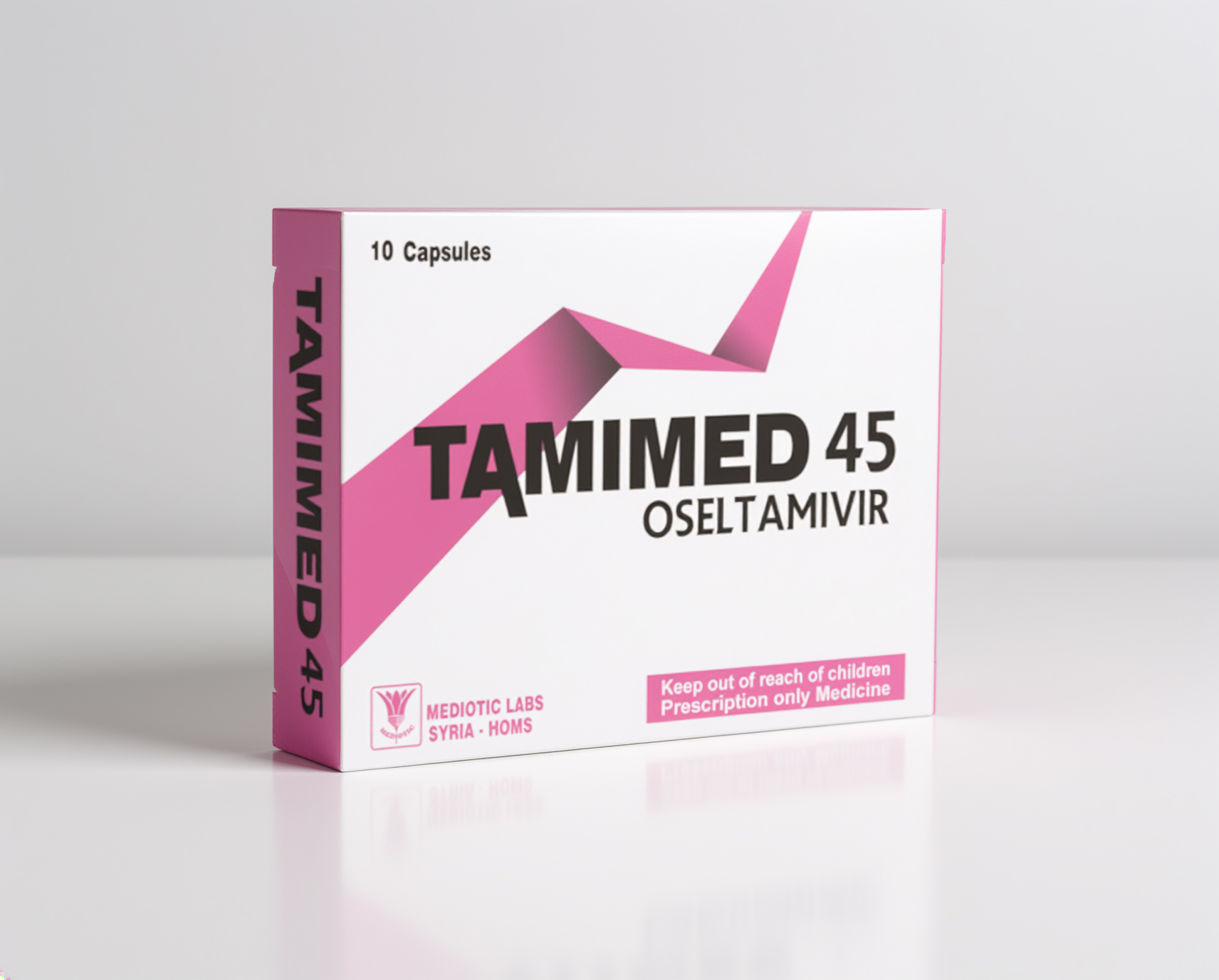
TAMIMED 45

Oseltamivir 30, 45, 75 mg

Composition: Each capsule contains: 30 mg, 45 mg, or 75 mg oseltamivir, in the form of oseltamivir phosphate. Excipients: pregelatinized starch, talc, povidone, croscarmellose sodium, and magnesium stearate. Mechanism Of Action:

Oseltamivir is an antiviral drug with activity against influenza virus.

Pharmacokinetics:

Absorption and Bioavailability: Oseltamivir is absorbed from the gastrointestinal tract after oral administration of oseltamivir phosphate and is extensively converted predominantly by hepatic esterases to oseltamivir carboxylate. At least 75% of an oral dose reaches the systemic circulation as oseltamivir carboxylate and less than 5% of the oral dose reaches the systemic circulation as oseltamivir.

Coadministration with food had no significant effect on the peak plasma concentration, and the area under the plasma concentration time curve of oseltamivir carboxylate.

Distribution: The volume of distribution (Vss) of oseltamivir carboxylate, following intravenous administration in 24 subjects, ranged between 23 and 26 liters. The binding of oseltamivir carboxylate to human plasma protein is low (3%). The binding of oseltamivir to human plasma protein is 42%, which is insufficient to cause significant displacement-based drug interactions.

Elimination: Absorbed oseltamivir is primarily (>90%) eliminated by conversion to the active metabolite, oseltamivir carboxylate. Plasma concentrations of oseltamivir declined with a half-life of 1 to 3 hours in most subjects after oral administration. Oseltamivir carboxylate is not further metabolized and is eliminated unchanged in urine. Plasma concentrations of oseltamivir carboxylate declined with a half-life of 6 to 10 hours in most subjects after oral administration.

Metabolism: Oseltamivir is extensively converted to the active metabolite, oseltamivir nor oseltamivir carboxylate is a substrate for, or inhibitor of, cytochrome P450 isoforms.

Excretion: Oseltamivir carboxylate is eliminated entirely (>99%) by renal excretion. Less than 20% of an oral radiolabeled dose is eliminated in feces.

Indications:

it is indicated for:

– Treatment of acute, uncomplicated influenza A and B in patients 2 weeks of age and older who have been symptomatic for no more than 48 hours.

– Prophylaxis of influenza A and B in patients 1 year and older.

Limitations of Use:

– Not a substitute for annual influenza vaccination.

– Consider available information on influenza drug susceptibility patterns and treatment effects when deciding whether to use.

Not recommended for patients with end-stage renal disease not undergoing dialysis.

Contraindications:

it is contraindicated in patients with known serious hypersensitivity to oseltamivir or any component of the product. Severe allergic reactions have included anaphylaxis and serious skin reactions including toxic epidermal necrolysis, Stevens-Johnson Syndrome, and erythema multiforme .

Side Effects:

Most common adverse reactions include:

Nausea, vomiting, headache. The common adverse reactions is Bronchitis, Herpes, Nasopharyngitis, Upper respiratory tract infections, Sinusitis, Insomnia, Cough, Sore throat, Rhinorrhea, Abdominal pain (incl. upper abdominal pain), Dyspepsia, Pain, Dizziness (incl. vertigo), Fatigue, Pyrexia, Pain in limb (Treatment studies). Cough, Nasal congestion, vomiting, headache, Otitis media, Conjunctivitis(including red eyes, eye discharge and eye pain), Earache, Rhinorrhoea, Abdominal pain (incl. upper abdominal pain), Dyspepsia, Nausea (Prophylaxis studies). Paediatric population (infants less than one year of age): vomiting, diarrohea and diaper rash being the most frequently reported adverse events.

Precautions & Warnings:

Serious Skin/Hypersensitivity Reactions: Cases of anaphylaxis and serious skin reactions including toxic epidermal necrolysis, Stevens-Johnson Syndrome, and erythema multiforme have been reported in postmarketing experience. Stop THE DRUG and institute appropriate treatment if an allergic-like reaction occurs or is suspected. Neuropsychiatric Events: There have been postmarketing reports of delirium and abnormal behavior leading to injury, and in some cases resulting in fatal outcomes, in patients with influenza who were receiving the drug. These events were reported primarily among pediatric patients and often had an abrupt onset and rapid resolution. Influenza can be associated with a variety of neurologic and behavioral symptoms that can include events such as hallucinations, delirium, and abnormal behavior, in some cases resulting in fatal outcomes. These events may occur in the setting of encephalitis or encephalopathy but can occur without obvious severe disease. Closely monitor the drug-treated patients with influenza for signs of abnormal behavior. If neuropsychiatric symptoms occur, evaluate the risks and benefits of continuing THE DRUG for each patient.

Risk of Bacterial Infections: There is no evidence for efficacy of the drug in any illness caused by pathogens other than influenza viruses. Serious bacterial infections may begin with influenza-like symptoms or may coexist with or occur as complications during the course of influenza. Oseltamivir has not been shown to prevent such complications. Prescribers should be alert to the potential for secondary bacterial infections and treat them as appropriate.

Fructose Intolerance In Patients With Hereditary Fructose Intolerance

Fructose can be harmful to patients with hereditary fructose intolerance. One dose of 75 mg THE DRUG for oral suspension delivers 2 grams of sorbitol. This is above the daily maximum limit of sorbitol for patients with hereditary fructose intolerance, and may cause dyspepsia and diarrhea.

Drug Interactions:

Influenza Vaccines:

Live Attenuated Influenza Vaccine :

The concurrent use of Oseltamivir with live attenuated influenza vaccine (LAIV) intranasal has not been evaluated. However, because of the potential for Oseltamivir to inhibit replication of live vaccine virus and possibly reduce the efficacy of LAIV, avoid administration of LAIV within 2 weeks before or 48 hours after Oseltamivir administration, unless medically indicated.

Inactivated Influenza Vaccine :

Inactivated influenza vaccine can be administered at any time relative to use of oseltamivir.

Pregnancy: Pregnancy Category C

Oseltamivir should be used during pregnancy only if the potential benefit justifies the potential risk to the fetus. Nursing Mothers:

Based on limited published data, Oseltamivir and oseltamivir carboxylate are present in human milk at low levels considered unlikely to lead to toxicity in the breastfed infant. Exercise caution when Oseltamivir is administered to a nursing woman.

Renal Impairment: Patients with renal impairment had higher blood levels of oseltamivir carboxylate compared to patients with normal renal function which may increase the risk of Oseltamivir -associated adverse reactions. Therefore, dosage adjustment is recommended for patients with a serum creatinine clearance between 10 and 60 mL/minute and for patients with end-stage renal disease (ESRD) undergoing routine hemodialysis or continuous peritoneal dialysis treatment. Oseltamivir is not recommended for patients with ESRD not undergoing dialysis.

Hepatic Impairment:

No dosage adjustment is required in patients with mild to moderate hepatic impairment. The safety and

pharmacokinetics in patients with severe hepatic impairment have not been evaluated.

Use in Patients with Chronic Conditions: Efficacy of Oseltamivir in the treatment of influenza in patients with chronic cardiac disease and/or respiratory disease was evaluated in one randomized, placebo-controlled clinical trial. Efficacy in this population, as measured by time to alleviation of all symptoms, was not established, but no new safety signals were identified.

Immunocompromised Patients:

Efficacy of Oseltamivir for the treatment or prophylaxis of influenza has not been established in immunocompromised patients. Safety of Oseltamivir for prophylaxis of influenza has been demonstrated for up to 12 weeks in

immunocompromised patients.

Dosage & Administration:

The capsules and oral suspension may be taken with or without food; however, tolerability may be enhanced if it is taken with food

Treatment of influenza:

Adults and adolescents (13 years and older): 75 mg twice daily for 5 days (one 75 mg capsule or 12.5 mL of oral suspension twice daily) for 5 days.

for oral suspension (supplied as a powder,capsules may be opened and mixed with sweetened liquids such as regular or sugar-free chocolate syrup, corn syrup, caramel topping, or light brown sugar (dissolved in water). This is the preferred formulation (6 mg per mL) for patients who cannot swallow capsules.

Therapy should be initiated as soon as possible within the first two days of onset of symptoms of influenza. Post-exposure prevention: The recommended dose for prevention of influenza following close contact with an infected individual is 75 mg oseltamivir once daily for 10 days for adolescents (13 to 17 years of age) and adults.

Body Weight Recommended dose for 5 days 40 kg< 75 mg twice daily Body Weight Recommended dose for 10 days 40<kg 75 mg once daily

Therapy should begin as soon as possible within two days of exposure to an infected individual.

Prevention during an influenza epidemic in the community: The recommended dose for prevention of influenza during a community outbreak is 75 mg oseltamivir once daily for up to 6 weeks.

Paediatric population

Children 1 to 12 years of age

30 mg, 45 mg and 75 mg capsules and oral suspension are available for infants and children 1 year of age or older Treatment: The following weight-adjusted dosing regimens are recommended for treatment of infants and children 1 year of age or older:


Prevention during an influenza epidemic in the community: The recommended dose for prevention of influenza during a community outbreak is 75 mg oseltamivir once daily for up to 6 weeks.

Paediatric population

Children 1 to 12 years of age

30 mg, 45 mg and 75 mg capsules and oral suspension are available for infants and children 1 year of age or older Treatment: The following weight-adjusted dosing regimens are recommended for treatment of infants and children 1 year of age or older:


Treatment should be initiated as soon as possible within the first two days of onset of symptoms of influenza. Post-exposure prevention: The recommended post-exposure prevention dose of is:

Body Weight

10 kg to 15 kg

> 15 kg to 23 kg

> 23 kg to 40 kg

> 40 kg

Recommended dose for 10 days

30 mg once daily

45 mg once daily

60 mg once daily

75 mg once daily

Prevention during an influenza epidemic in the community: Prevention during an influenza epidemic has not been studied in children below 12 years of age. Infants 0

12 months of age

Treatment: The recommended treatment dose for infants 0 – 12 months of age is 3 mg/kg twice daily. The following dosing regimen is recommended for treatment of infants 0 – 12 months of age:

Body weight

3 kg

Recommended dose for 5 days

9 mg twice daily

12 mg twice daily

4 kg

5 kg

6 kg

15 mg twice daily

18 mg twice daily

9 kg 10 kg

27 mg twice daily

30 mg twice daily


One large oral dose dispenser to measure out water – a 5 or 10 ml dispenser

One small oral dose dispenser showing measurements of 0.1 ml, to give the dose Teaspoon (5 ml spoon)

Water

Sweet food to hide the bitter taste of the powder

Examples are: chocolate or cherry syrup and dessert toppings such as caramel or fudge sauce.

Or you can make sugar water: mix a teaspoon of water with three-quarters (3/4) of a

teaspoon of sugar.

Step 1: Pour all the powder into a bowl

Hold a 75 mg capsule upright over one of the bowls and carefully snip off the rounded tip with scissors. Be careful with the powder: it may irritate your skin and eyes.

Pour all of the powder into the bowl, whatever the dose you are making.

The amount is the same whether you are treating or preventing flu.

Repeat this procedure every time you need to give the medicine.

Step 2: Add water to dilute the medicine

Use the larger dispenser to draw up 12.5 ml water. Add the water to the powder in the bowl. Stir the mixture with the teaspoon for about 2 minutes.

Don’t worry if not all of the powder dissolves. The undissolved powder is just inactive ingredients.

Step 3: Choose the correct amount for your child’s weight

Look up the child’s weight on the left side of the table.

The column on the right of the table shows how much of the liquid mixture you will need to draw up. Infants less than 1 year (including full-term newborn babies)

Child’s weight(nearest)

3 kg 3.5 kg

How mixture to draw much up

1.5 ml

1.8 ml

2.0 ml

4 kg

2.3 ml

4.5 kg

2.5 ml

5 kg

2.8 ml

5.5 kg

3.0 ml

6 kg

3.3 ml

6.5 kg

3.5 ml

7 kg

3.8 ml

7.5 kg

4.0 ml

8 kg

4.3 ml

8.5 kg

4.5 ml

9 kg

4.8 ml

9.5 kg

10 kg or more

Children 1 year or older, weighing less than 40 kg

Child’s weight (nearest)

5.0 ml

How much mixture to draw up

5.0 ml  Up to 15 kg

15 to 23 kg

7.5 ml

10.0 ml

23 to 40 kg

Step 4: Draw up the liquid mixture

Make sure you have the right size dispenser.

Draw up the correct amount of liquid mixture from the first bowl.

Draw it up carefully so as not to include air bubbles.

Gently squirt the correct dose into the second bowl.

Step 5: Sweeten and give to the child

Add a small amount – no more than one teaspoonful – of a sweet food to the second bowl.

This is to hide the bitter taste of the powder.

Mix the sweet food and the liquid well.

Give the whole contents of the second bowl (liquid mixture with sweet food added) to the child straight away.

If there is anything left in the second bowl, rinse the bowl with a small amount of water and get the child to drink it all. For children unable to drink from a bowl, spoon-feed or use a bottle to feed the child the remaining liquid.

Give the child something to drink.

Throw away any unused liquid left in the first bowl.

Repeat this procedure every time you need to give the medicine

Data derived from studies in continuous ambulatory peritoneal dialysis (CAPD) patients; the clearance of oseltamivir carboxylate is expected to be higher when automated peritoneal dialysis (APD) mode is used. Treatment mode can be switched from APD to CAPD if considered necessary by a nephrologist.

There is insufficient clinical data available in infants and children (12 years of age and younger) with renal impairment to be able to make any dosing recommendation.

Elderly:

No dose adjustment is required, unless there is evidence of moderate or severe renal impairment. Immunocompromised patients:

Treatment: The recommended oral dose is 75 mg oseltamivir twice daily for 10 days for adults .Treatment should be initiated as soon as possible within the first two days of onset of symptoms of influenza.

Seasonal prophylaxis: Longer duration of seasonal prophylaxis up to 12 weeks has been evaluated in

immunocompromised patients

Overdosage:

In the majority of cases reporting overdose, no adverse reactions were reported. Adverse reactions reported following overdose were similar in nature to those observed with therapeutic doses of Oseltamivir.

Packaging: TAMIMED (30,45.75) 1 blister contains 10 capsules/carton box.

Storage Conditions: “Store at room temperature, 15° – 30° C”,

“Keep out of reach of children

 

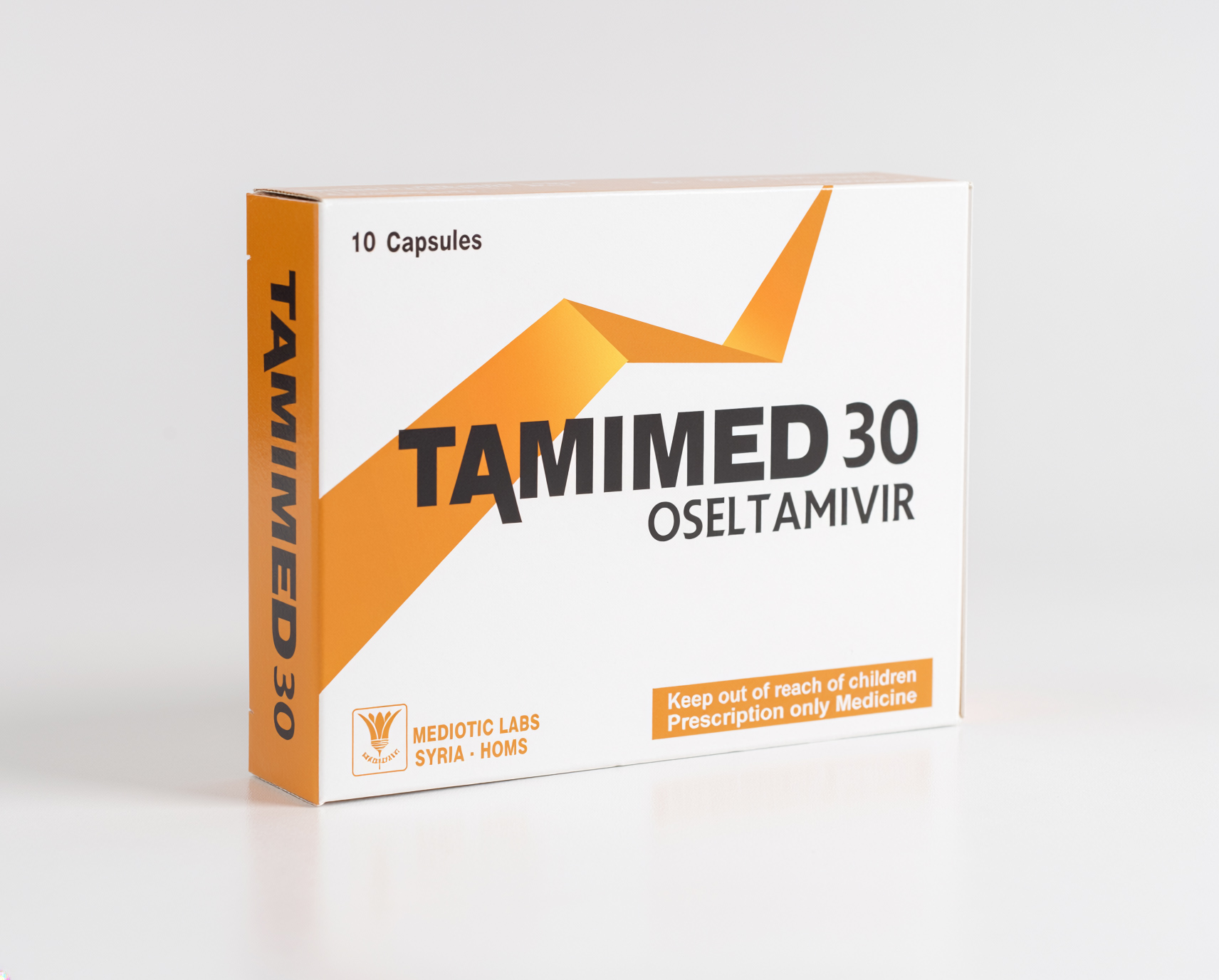
TAMIMED 30

Oseltamivir 30, 45, 75 mg

Composition: Each capsule contains: 30 mg, 45 mg, or 75 mg oseltamivir, in the form of oseltamivir phosphate. Excipients: pregelatinized starch, talc, povidone, croscarmellose sodium, and magnesium stearate. Mechanism Of Action:

Oseltamivir is an antiviral drug with activity against influenza virus.

Pharmacokinetics:

Absorption and Bioavailability: Oseltamivir is absorbed from the gastrointestinal tract after oral administration of oseltamivir phosphate and is extensively converted predominantly by hepatic esterases to oseltamivir carboxylate. At least 75% of an oral dose reaches the systemic circulation as oseltamivir carboxylate and less than 5% of the oral dose reaches the systemic circulation as oseltamivir.

Coadministration with food had no significant effect on the peak plasma concentration, and the area under the plasma concentration time curve of oseltamivir carboxylate.

Distribution: The volume of distribution (Vss) of oseltamivir carboxylate, following intravenous administration in 24 subjects, ranged between 23 and 26 liters. The binding of oseltamivir carboxylate to human plasma protein is low (3%). The binding of oseltamivir to human plasma protein is 42%, which is insufficient to cause significant displacement-based drug interactions.

Elimination: Absorbed oseltamivir is primarily (>90%) eliminated by conversion to the active metabolite, oseltamivir carboxylate. Plasma concentrations of oseltamivir declined with a half-life of 1 to 3 hours in most subjects after oral administration. Oseltamivir carboxylate is not further metabolized and is eliminated unchanged in urine. Plasma concentrations of oseltamivir carboxylate declined with a half-life of 6 to 10 hours in most subjects after oral administration.

Metabolism: Oseltamivir is extensively converted to the active metabolite, oseltamivir nor oseltamivir carboxylate is a substrate for, or inhibitor of, cytochrome P450 isoforms.

Excretion: Oseltamivir carboxylate is eliminated entirely (>99%) by renal excretion. Less than 20% of an oral radiolabeled dose is eliminated in feces.

Indications:

it is indicated for:

– Treatment of acute, uncomplicated influenza A and B in patients 2 weeks of age and older who have been symptomatic for no more than 48 hours.

– Prophylaxis of influenza A and B in patients 1 year and older.

Limitations of Use:

– Not a substitute for annual influenza vaccination.

– Consider available information on influenza drug susceptibility patterns and treatment effects when deciding whether to use.

Not recommended for patients with end-stage renal disease not undergoing dialysis.

Contraindications:

it is contraindicated in patients with known serious hypersensitivity to oseltamivir or any component of the product. Severe allergic reactions have included anaphylaxis and serious skin reactions including toxic epidermal necrolysis, Stevens-Johnson Syndrome, and erythema multiforme .

Side Effects:

Most common adverse reactions include:

Nausea, vomiting, headache. The common adverse reactions is Bronchitis, Herpes, Nasopharyngitis, Upper respiratory tract infections, Sinusitis, Insomnia, Cough, Sore throat, Rhinorrhea, Abdominal pain (incl. upper abdominal pain), Dyspepsia, Pain, Dizziness (incl. vertigo), Fatigue, Pyrexia, Pain in limb (Treatment studies). Cough, Nasal congestion, vomiting, headache, Otitis media, Conjunctivitis(including red eyes, eye discharge and eye pain), Earache, Rhinorrhoea, Abdominal pain (incl. upper abdominal pain), Dyspepsia, Nausea (Prophylaxis studies). Paediatric population (infants less than one year of age): vomiting, diarrohea and diaper rash being the most frequently reported adverse events.

Precautions & Warnings:

Serious Skin/Hypersensitivity Reactions: Cases of anaphylaxis and serious skin reactions including toxic epidermal necrolysis, Stevens-Johnson Syndrome, and erythema multiforme have been reported in postmarketing experience. Stop THE DRUG and institute appropriate treatment if an allergic-like reaction occurs or is suspected. Neuropsychiatric Events: There have been postmarketing reports of delirium and abnormal behavior leading to injury, and in some cases resulting in fatal outcomes, in patients with influenza who were receiving the drug. These events were reported primarily among pediatric patients and often had an abrupt onset and rapid resolution. Influenza can be associated with a variety of neurologic and behavioral symptoms that can include events such as hallucinations, delirium, and abnormal behavior, in some cases resulting in fatal outcomes. These events may occur in the setting of encephalitis or encephalopathy but can occur without obvious severe disease. Closely monitor the drug-treated patients with influenza for signs of abnormal behavior. If neuropsychiatric symptoms occur, evaluate the risks and benefits of continuing THE DRUG for each patient.

Risk of Bacterial Infections: There is no evidence for efficacy of the drug in any illness caused by pathogens other than influenza viruses. Serious bacterial infections may begin with influenza-like symptoms or may coexist with or occur as complications during the course of influenza. Oseltamivir has not been shown to prevent such complications. Prescribers should be alert to the potential for secondary bacterial infections and treat them as appropriate.

Fructose Intolerance In Patients With Hereditary Fructose Intolerance

Fructose can be harmful to patients with hereditary fructose intolerance. One dose of 75 mg THE DRUG for oral suspension delivers 2 grams of sorbitol. This is above the daily maximum limit of sorbitol for patients with hereditary fructose intolerance, and may cause dyspepsia and diarrhea.

Drug Interactions:

Influenza Vaccines:

Live Attenuated Influenza Vaccine :

The concurrent use of Oseltamivir with live attenuated influenza vaccine (LAIV) intranasal has not been evaluated. However, because of the potential for Oseltamivir to inhibit replication of live vaccine virus and possibly reduce the efficacy of LAIV, avoid administration of LAIV within 2 weeks before or 48 hours after Oseltamivir administration, unless medically indicated.

Inactivated Influenza Vaccine :

Inactivated influenza vaccine can be administered at any time relative to use of oseltamivir.

Pregnancy: Pregnancy Category C

Oseltamivir should be used during pregnancy only if the potential benefit justifies the potential risk to the fetus. Nursing Mothers:

Based on limited published data, Oseltamivir and oseltamivir carboxylate are present in human milk at low levels considered unlikely to lead to toxicity in the breastfed infant. Exercise caution when Oseltamivir is administered to a nursing woman.

Renal Impairment: Patients with renal impairment had higher blood levels of oseltamivir carboxylate compared to patients with normal renal function which may increase the risk of Oseltamivir -associated adverse reactions. Therefore, dosage adjustment is recommended for patients with a serum creatinine clearance between 10 and 60 mL/minute and for patients with end-stage renal disease (ESRD) undergoing routine hemodialysis or continuous peritoneal dialysis treatment. Oseltamivir is not recommended for patients with ESRD not undergoing dialysis.

Hepatic Impairment:

No dosage adjustment is required in patients with mild to moderate hepatic impairment. The safety and

pharmacokinetics in patients with severe hepatic impairment have not been evaluated.

Use in Patients with Chronic Conditions: Efficacy of Oseltamivir in the treatment of influenza in patients with chronic cardiac disease and/or respiratory disease was evaluated in one randomized, placebo-controlled clinical trial. Efficacy in this population, as measured by time to alleviation of all symptoms, was not established, but no new safety signals were identified.

Immunocompromised Patients:

Efficacy of Oseltamivir for the treatment or prophylaxis of influenza has not been established in immunocompromised patients. Safety of Oseltamivir for prophylaxis of influenza has been demonstrated for up to 12 weeks in

immunocompromised patients.

Dosage & Administration:

The capsules and oral suspension may be taken with or without food; however, tolerability may be enhanced if it is taken with food

Treatment of influenza:

Adults and adolescents (13 years and older): 75 mg twice daily for 5 days (one 75 mg capsule or 12.5 mL of oral suspension twice daily) for 5 days.

for oral suspension (supplied as a powder,capsules may be opened and mixed with sweetened liquids such as regular or sugar-free chocolate syrup, corn syrup, caramel topping, or light brown sugar (dissolved in water). This is the preferred formulation (6 mg per mL) for patients who cannot swallow capsules.

Therapy should be initiated as soon as possible within the first two days of onset of symptoms of influenza. Post-exposure prevention: The recommended dose for prevention of influenza following close contact with an infected individual is 75 mg oseltamivir once daily for 10 days for adolescents (13 to 17 years of age) and adults.

Body Weight Recommended dose for 5 days 40 kg< 75 mg twice daily Body Weight Recommended dose for 10 days 40<kg 75 mg once daily

Therapy should begin as soon as possible within two days of exposure to an infected individual.

Prevention during an influenza epidemic in the community: The recommended dose for prevention of influenza during a community outbreak is 75 mg oseltamivir once daily for up to 6 weeks.

Paediatric population

Children 1 to 12 years of age

30 mg, 45 mg and 75 mg capsules and oral suspension are available for infants and children 1 year of age or older Treatment: The following weight-adjusted dosing regimens are recommended for treatment of infants and children 1 year of age or older:


Prevention during an influenza epidemic in the community: The recommended dose for prevention of influenza during a community outbreak is 75 mg oseltamivir once daily for up to 6 weeks.

Paediatric population

Children 1 to 12 years of age

30 mg, 45 mg and 75 mg capsules and oral suspension are available for infants and children 1 year of age or older Treatment: The following weight-adjusted dosing regimens are recommended for treatment of infants and children 1 year of age or older:


Treatment should be initiated as soon as possible within the first two days of onset of symptoms of influenza. Post-exposure prevention: The recommended post-exposure prevention dose of is:

Body Weight

10 kg to 15 kg

> 15 kg to 23 kg

> 23 kg to 40 kg

> 40 kg

Recommended dose for 10 days

30 mg once daily

45 mg once daily

60 mg once daily

75 mg once daily

Prevention during an influenza epidemic in the community: Prevention during an influenza epidemic has not been studied in children below 12 years of age. Infants 0

12 months of age

Treatment: The recommended treatment dose for infants 0 – 12 months of age is 3 mg/kg twice daily. The following dosing regimen is recommended for treatment of infants 0 – 12 months of age:

Body weight

3 kg

Recommended dose for 5 days

9 mg twice daily

12 mg twice daily

4 kg

5 kg

6 kg

15 mg twice daily

18 mg twice daily

9 kg 10 kg

27 mg twice daily

30 mg twice daily


One large oral dose dispenser to measure out water – a 5 or 10 ml dispenser

One small oral dose dispenser showing measurements of 0.1 ml, to give the dose Teaspoon (5 ml spoon)

Water

Sweet food to hide the bitter taste of the powder

Examples are: chocolate or cherry syrup and dessert toppings such as caramel or fudge sauce.

Or you can make sugar water: mix a teaspoon of water with three-quarters (3/4) of a

teaspoon of sugar.

Step 1: Pour all the powder into a bowl

Hold a 75 mg capsule upright over one of the bowls and carefully snip off the rounded tip with scissors. Be careful with the powder: it may irritate your skin and eyes.

Pour all of the powder into the bowl, whatever the dose you are making.

The amount is the same whether you are treating or preventing flu.

Repeat this procedure every time you need to give the medicine.

Step 2: Add water to dilute the medicine

Use the larger dispenser to draw up 12.5 ml water. Add the water to the powder in the bowl. Stir the mixture with the teaspoon for about 2 minutes.

Don’t worry if not all of the powder dissolves. The undissolved powder is just inactive ingredients.

Step 3: Choose the correct amount for your child’s weight

Look up the child’s weight on the left side of the table.

The column on the right of the table shows how much of the liquid mixture you will need to draw up. Infants less than 1 year (including full-term newborn babies)

Child’s weight(nearest)

3 kg 3.5 kg

How mixture to draw much up

1.5 ml

1.8 ml

2.0 ml

4 kg

2.3 ml

4.5 kg

2.5 ml

5 kg

2.8 ml

5.5 kg

3.0 ml

6 kg

3.3 ml

6.5 kg

3.5 ml

7 kg

3.8 ml

7.5 kg

4.0 ml

8 kg

4.3 ml

8.5 kg

4.5 ml

9 kg

4.8 ml

9.5 kg

10 kg or more

Children 1 year or older, weighing less than 40 kg

Child’s weight (nearest)

5.0 ml

How much mixture to draw up

5.0 ml

Up to 15 kg

15 to 23 kg

7.5 ml

10.0 ml

23 to 40 kg

Step 4: Draw up the liquid mixture

Make sure you have the right size dispenser.

Draw up the correct amount of liquid mixture from the first bowl.

Draw it up carefully so as not to include air bubbles.

Gently squirt the correct dose into the second bowl.

Step 5: Sweeten and give to the child

Add a small amount – no more than one teaspoonful – of a sweet food to the second bowl.

This is to hide the bitter taste of the powder.

Mix the sweet food and the liquid well.

Give the whole contents of the second bowl (liquid mixture with sweet food added) to the child straight away.

If there is anything left in the second bowl, rinse the bowl with a small amount of water and get the child to drink it all. For children unable to drink from a bowl, spoon-feed or use a bottle to feed the child the remaining liquid.

Give the child something to drink.

Throw away any unused liquid left in the first bowl.

Repeat this procedure every time you need to give the medicine

Data derived from studies in continuous ambulatory peritoneal dialysis (CAPD) patients; the clearance of oseltamivir carboxylate is expected to be higher when automated peritoneal dialysis (APD) mode is used. Treatment mode can be switched from APD to CAPD if considered necessary by a nephrologist.

There is insufficient clinical data available in infants and children (12 years of age and younger) with renal impairment to be able to make any dosing recommendation.

Elderly:

No dose adjustment is required, unless there is evidence of moderate or severe renal impairment. Immunocompromised patients:

Treatment: The recommended oral dose is 75 mg oseltamivir twice daily for 10 days for adults .Treatment should be initiated as soon as possible within the first two days of onset of symptoms of influenza.

Seasonal prophylaxis: Longer duration of seasonal prophylaxis up to 12 weeks has been evaluated in

immunocompromised patients

Overdosage:

In the majority of cases reporting overdose, no adverse reactions were reported. Adverse reactions reported following overdose were similar in nature to those observed with therapeutic doses of Oseltamivir.

Packaging: TAMIMED (30,45.75) 1 blister contains 10 capsules/carton box.

Storage Conditions: “Store at room temperature, 15° – 30° C”,

“Keep out of reach of children
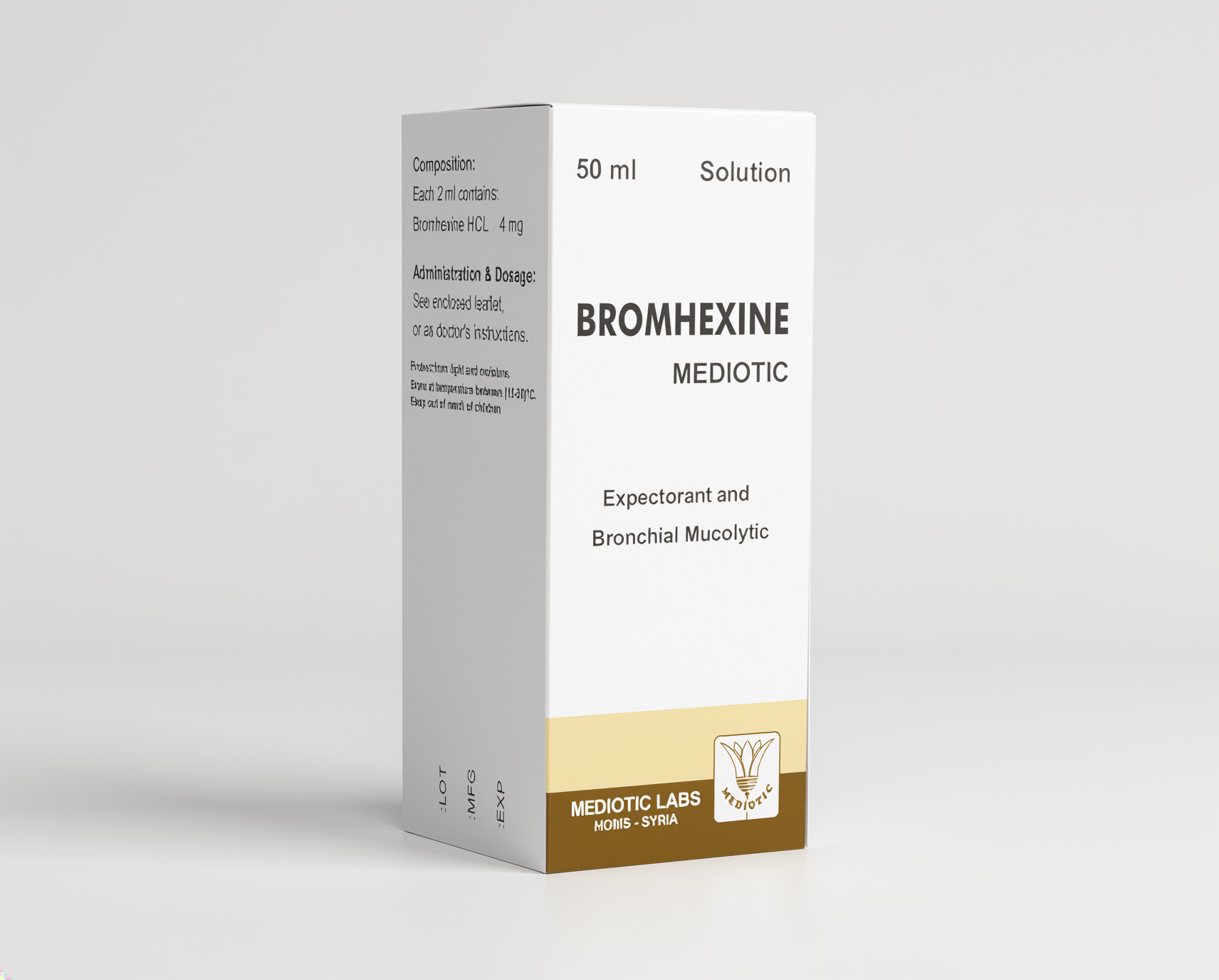
 

BROMHEXINE

Properties:

Bromhexine acts within the bronchial mucous glands causing the fragmentation of the acid mucopolysaccharide fibers which are mainly responsible of increasing the viscosity of the bronchial secreta so Bromhexine leads to an easier expectoration.

Indications:

Bromhexine is used as an expectorant.

Bromhexine is used in conditions accompanied with excessive mucoid secreta.

Bromhexine is indicated for pneumonic bronchial diseases accompanied with increasing of the mucous secretion like in bronchitis.

Precautions:

– Bromhexine should be given cautiously to patients with gastric ulceration, renal and hepatic failure.

– Bromhexine should be given cautiously to pregnant mothers and it should not be given during lactation.

Drug Interactions:

It increases the antibiotic concentration in pneumonic tissues when associated with it.

Side Effects:

More common reactions: nausea, diarrhea, indigestion, and abdominal fullness.

Less common reactions: headache, vertigo, perspiration, and skin rash. Gastrointestinal side effects may occur occasionally, and a transient rise in serum aminotransferase may occur.

However, there is no need to discontinue using Bromhexine if any of these side effects occur.

Contraindications:

Bromhexine is contraindicated in patients with hypersensitivity to Bromhexine Hydrochloride.

Dosage & Administration:

Adults: One tablet 3 times daily.

1-2 tablespoon 3 times daily.

Children: 2-6 years: 1⁄2 teaspoon 3 times daily. 6-12 years: One teaspoon 3 times daily.

Storage:

Over 12 years: One tablespoon 3 times daily.

– Keep in temperature between (15-30)°C.

– Keep away from light and moisture.

– Keep away from Children.

Presentation:

Tablets: Carton box contains 2 blisters, each one contains 10 tablets. Solution: Plastic Bottle contains 50 ml. 

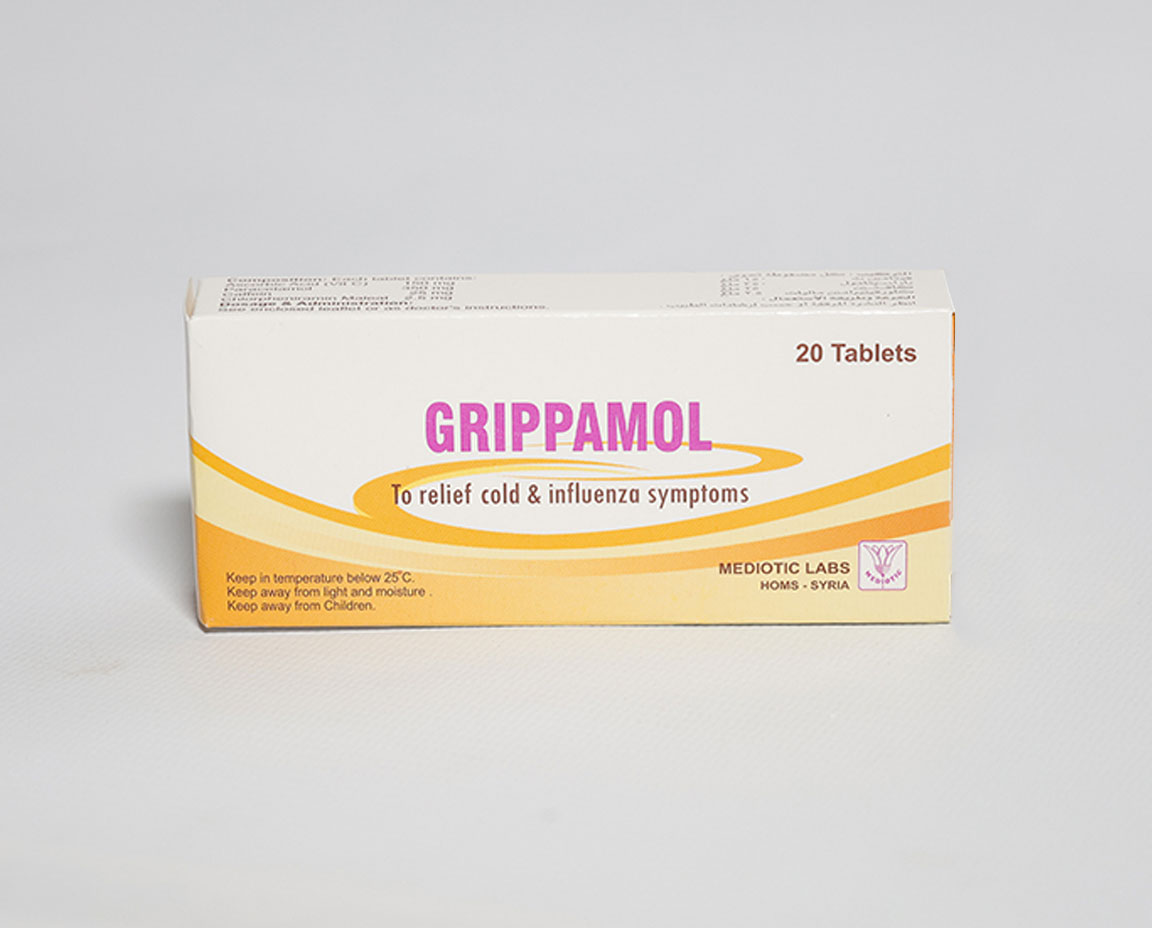
GRIPPAMOL

Composition: Tablets

Each tablet contains: Paracetamol 350 mg, Ascorbic acide (Vitamin C) 150 mg, Caffeine 25 mg, Chlorpheniramine maleate 2.5 mg.

Properties:

GRIPPAMOL exhibits a combined effect of 4 drugs.

– It has a decongestant action on the upper respiratory tract

(chlorpheniramine maleate) is an antihistamine for H1 central and peripheral receptors and an analgesic, antipyretic action (Paracetamol) therefore, it is suitable to relief the cold symptoms of upper respiratory tract.

-The combination of Vitamin C with caffeine (Centeral Nervous System stimulant) increases the muscular and mental activity.

– It is advisable to use an antibiotic in the case of a grippe associated with bacterial infection.

Indications:

GRIPPAMOL is indicated to treat the symptoms of nasal congestion and

obstruction, rhinorrhea, fever, headache, acute congestive or allergic rhinopharyngitis, rhinitis, sinusitis, pharyngitis and catarrh.

Contraindications:

– Patients allergic to any drug components.

– Severe hepatic failure.

Closed angle glaucoma.

– Patients with the risk of renal retention (urethra-prostatic problems). Children less than 5 years old.

Side effect:

Insomnia, gastrointestinal disturbances, dry mouth and frequently skin allergic reactions.

Drug interactions:

Do not take GRIPPAMOL with antihypertensive agents or CNS inhibitors. Warnings:

– Avoide driving a motor vehicle or operating heavy machinery.

– Avoide alcoholic beverages for the sedative effect of chlorpheniramine maleate might be increased.

Do not exceed the prescribed dose.

Dosage and Administration:

– Adults: treatment of acute rhinopharyngitis, rhinitis: one tablet 3 times daily. Treatment of acute grippe: 1-2 tablets 2-3 times daily.

– Children 10-15 years: 1-2 tablets daily, or as the doctor’s instructions.

Children 5-10 years: 2-1 tablet daily, or as the doctor’s instructions.

Storage:

– Keep in temperature below 25°C.

– Keep away from light and moisture.

– Keep away from Children.

Presentation: 2 blisters each one contains 10 tablets / catron box.