
MENU

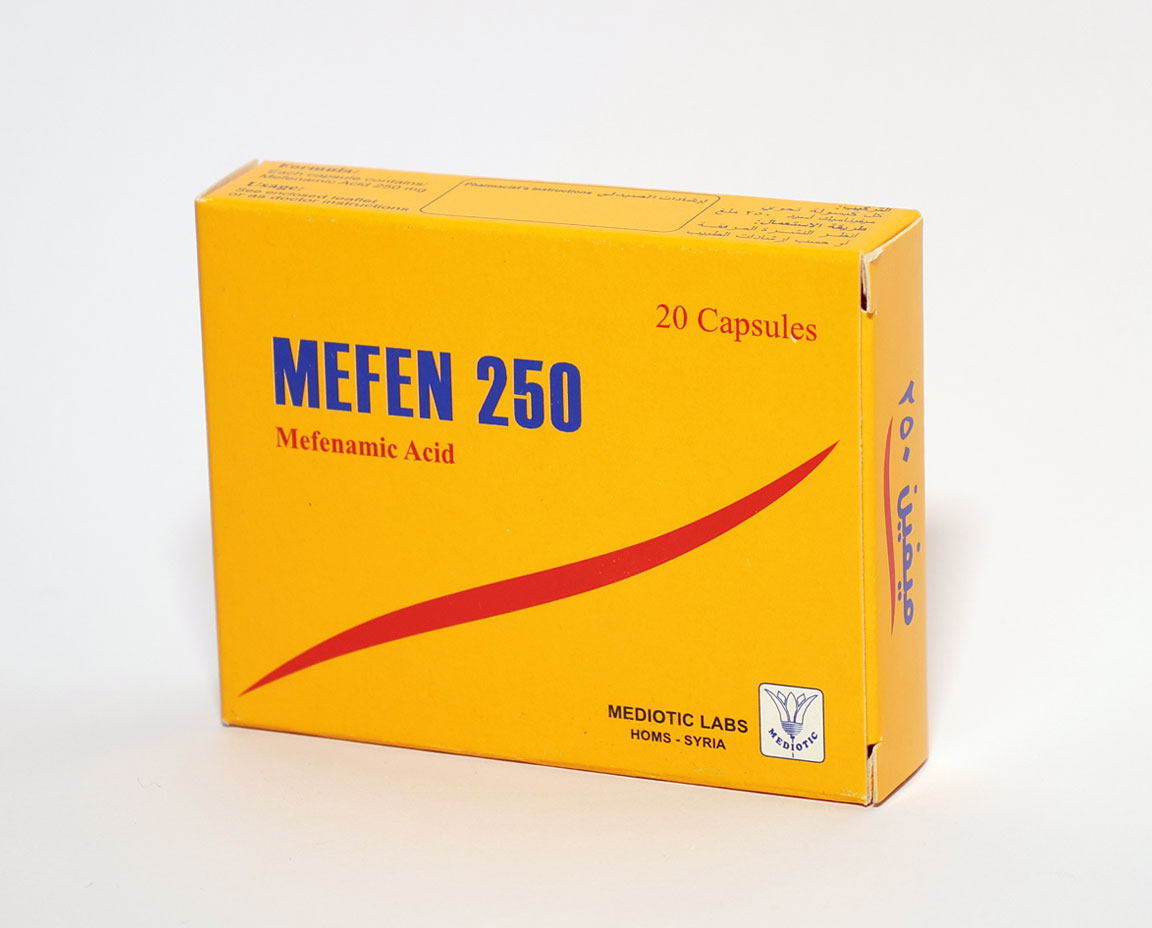
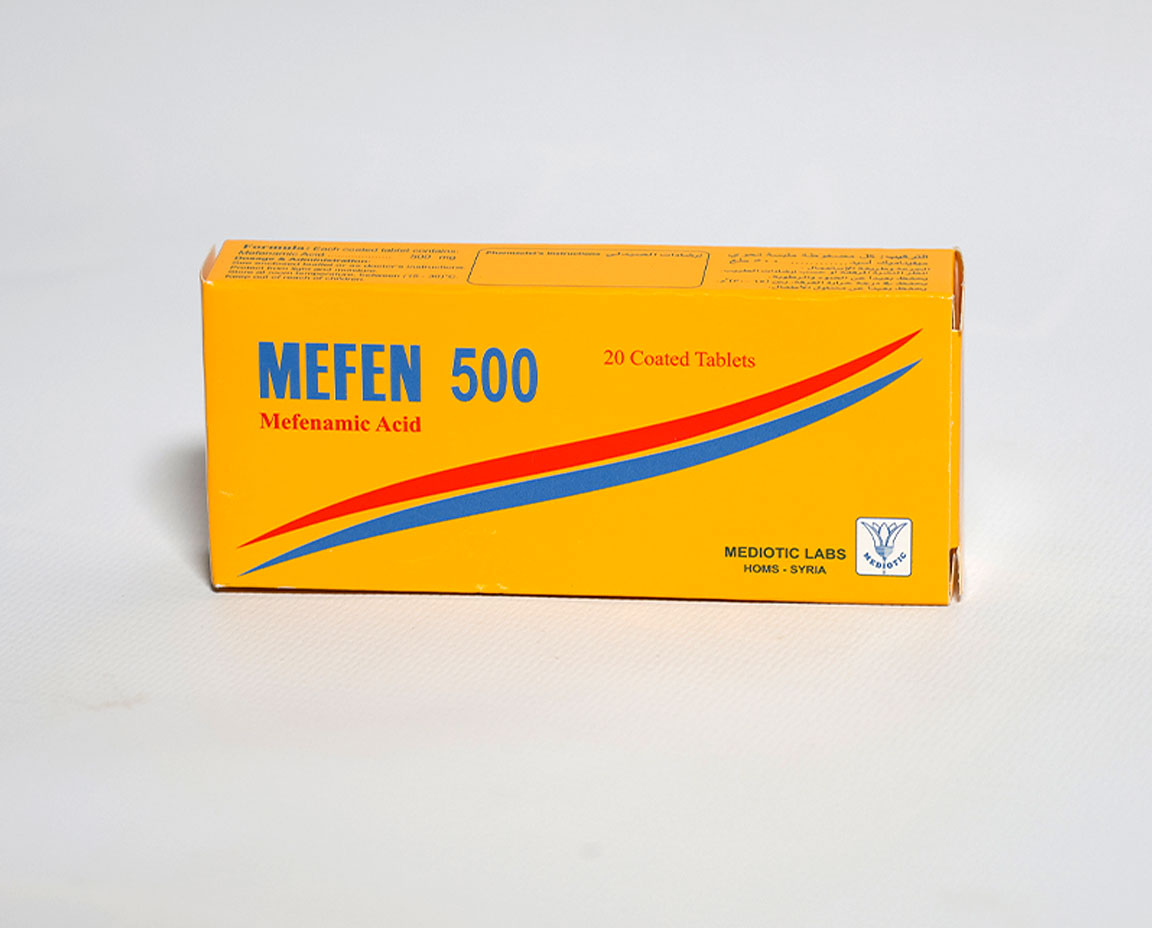
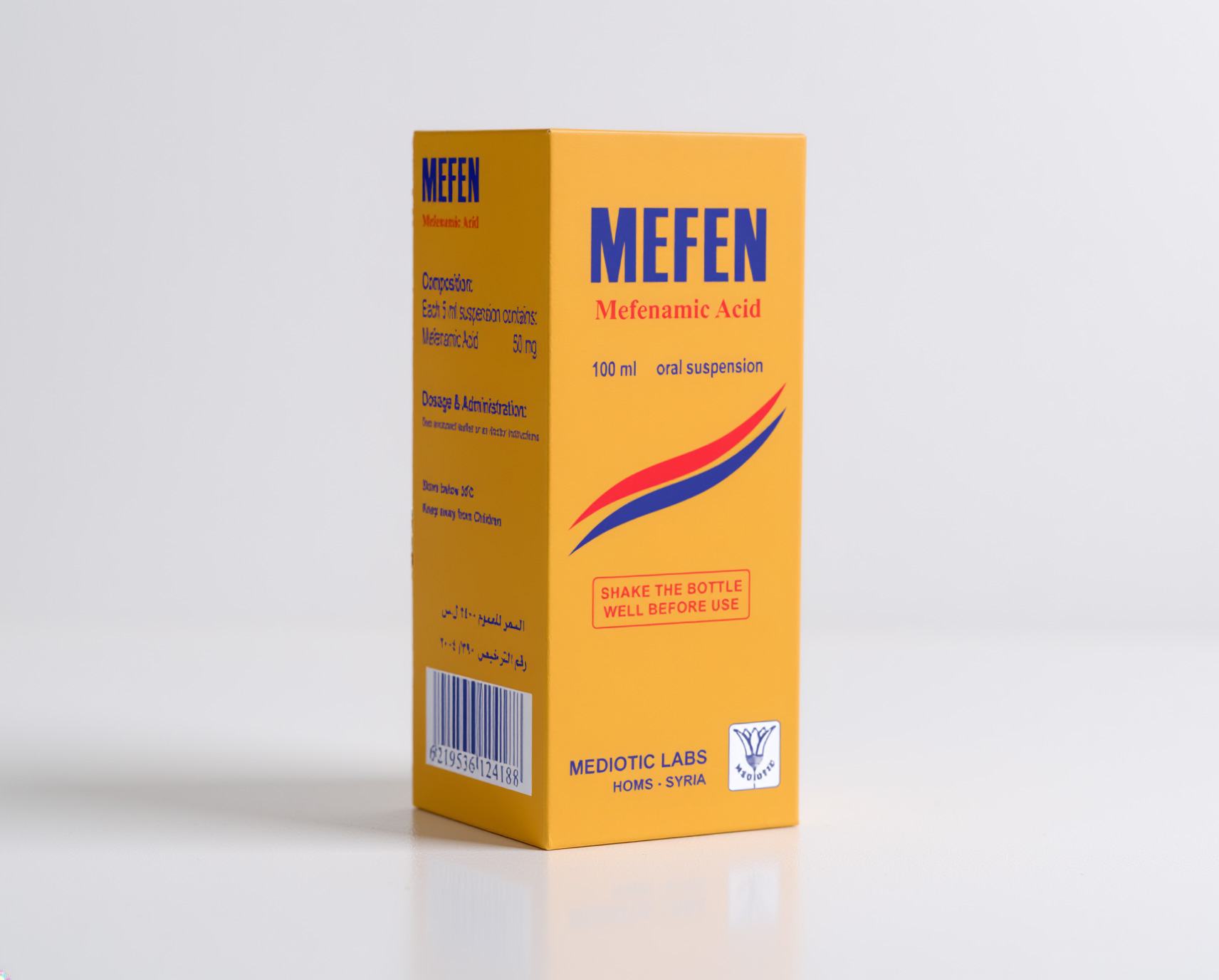
MEFEN

Properties:

Capsules 250mg/ Cap.

Coated Tablets

500mg/ C. T.

Oral Suspension 50mg/5ml

– Mefenamic acid is a Non Steroidal Anti Inflammatory drug (NSAID).

– Mefenamic acid inhibits prostaglandin synthesis.

– Mefenamic acid is used as an analgesic, with an anti inflammatory and demonstrable anti pyretic effects. Indications:

Mefen is indicated for the relief of mild to moderate pain including muscular, traumatic and dental pain, headache of most aetiology, post-operative and post-partum pain.

Mefen is indicated for the relief of mild to moderate pain in rheumatoid arthritis (including still’s Disease) and osteoarthrosis. Mefen is indicated for primary dysmenorrhoea.

Contraindications:

Mefen is contra-indicated in patients with known hypersensitivity to Mefenamic acid or any of the other NSAIDs.

Mefen is contra-indicated in inflammatory bowel disease and in patients suffering from peptic and/or intestinal ulceration. Mefen is contra-indicated in patients with severe renal impairment.

Side effects:

The most common side effects are gastro-intestinal disturbances including: abdominal pain, nausea, vomiting, diarrhea which may occur soon after starting treatment, or after several months of continuous use.The diarrhoea has been more observed in patients suffering from proctocolitis.

If server diarrhoea does develop, the drug should be stopped immediately and this patient should not receive it again.

– Skin rashes have been observed in some patients following the administration of Mefen and that case requirs the immediate withdrawn of the drug. – Hypotension.

– Central nervous disturbances such as: headache, blurred vision, fatigue, and dizziness.

Warnings:

– Peptic ulceration and mild gastro-intestinal bleeding have also been reported in some cases, so Mefen must be used with caution in those with a prior history of ulcer disease.

– In rare cases an impairment of hematopoiesis has occured: temporary lowering of the white blood cells count has been reported, in few cases a reversible haemolytic anemia has occurred. Blood studies should therefore be carried out during long term treatment.

– Caution must be taken in those showing hypersensitivity reactions to Aspirin and other NSAIDs such as bronchospasm (in asthma patients).

– Caution must be taken in patients with: fluid retention, edema, heart failure, hypertension, and renal or hepatic dysfunctions. Precautions:

– In dysmenorrhoea lack of response the physician should be alert to investigate other causes.

Pregnancy: Safety in pregnancy has not been assured yet. It must be avoided particularly in the last trimester of pregnancy (class C). Nursing mothers: Trace amounts of Mefen may be present in breast milk and transmitted to the nursing infant. Because of the

potential for serious adverse reactions in nursing infants from Mefen, a decision should be made whethere to discontinue nursing or to discontinue the drug, taking into account the importance of the drug to the mother.

Children: It was not assured yet the effectiveness and safety of this drug in children.

Drug-Interactions:

Using Mefen may increase the effect of anticoagulants (danger of bleeding), the dose of the anticoagulant may need to be reduced. When given concomitantly with diuretics (Furosemide-Thiazides) patient should be observed closely for renal failure.

Mefen has produced an elevation of plasma lithium levels.

Overdosage:

Mefen overdose has a toxic effect on the Central Nervous System CSN which appears as drowsiness, somnolence, epigastric pain, and gastro-intestinal bleeding, it even may lead to a coma.

Gastric lavage in conscious patient and intensive supportive therapy are necessary.

Activated charcoal has been shown to be a powerful adsorbent for Mefenamic acid and its metabolites.

Dosage:

Mefen should be taken during or after meals to avoid gastric irritation.

– This medication should not be used more than one week.

Presentation:

Mefen Capsules: Mefen Coated Tablets: Mefen Oral Suspension:

Box contains 20 Capsules.

Box contains 20 Coated Tablets.

Bottle contains 100 ml oral suspension.

GRIPPADOL

GRIPPADOL (syrup)

125 mg paracetamol, phenylephrine HCI 2.5 mg, Guaifenesin 50 mg / 5 ml

Composition and Excipients: Each 5 ml of the syrup contains:

Paracetamol 125 mg, Phenylephrine HCI 2.5 mg, Guafenesin 50 mg.

Excipients: Sorbitol 70%, Glycerin, Alcohol 96%, Propylene glycol, Sodium saccharine, Acesulfame potassium, Sodium citrate, Xanthan gum, Citric acid monohydrate, Mint flavor, Sunset yellow, Patent Blue, Purified water.

Properties:

Paracetamol is an analgesic and antipyretic.

Guaifenesin is an expectorant.

Phenylephrine Hydrochloride is a sympathomimetic decongestant.

Pharmacokinetic properties:

Paracetamol is readily absorbed from the gastrointestinal tract, it is metabolised in the liver and excreted in the urine.

Guaifenesin is rapidly absorbed after oral administration, it is rapidly metabolised and excreted in the urine.

Phenylephrine hydrochloride is irregularly absorbed from the gastrointestinal tract and undergoes first-pass metabolism by monoamine oxidase in the gut and liver; orally administered phenylephrine has reduced bioavailability, it is excreted in the urine almost entirely.

Indications:

Short term symptomatic relief of colds, chills and influenza including chesty coughs. Contraindications:

  • Hypersensitivity to paracetamol and/or other constituents.
  • Concomitant use of other sympathomimetic decongestants.
  • Phaeochromocytoma.
  • Closed angle glaucoma.
  • Hepatic or severe renal impairment, hypertension, hyperthyroidism, diabetes, heart disease or those taking tricyclic antidepressants or beta-blocking drugs and those patients who are taking or have taken, within the last two weeks, monoamine oxidase inhibitors.
  • Children under 6 years of age

Warnings and precautions:

 Duration of therapy should not exceed 5 days

  • Care is advised in the administration of paracetamol to patients with severe renal or severe hepatic impairment. The hazards of overdose are greater in those with (non-cirrhotic) alcoholic liver disease.
  • Patients suffering from chronic cough or asthma should consult a physician before taking this product.
  • Patients should stop using the product and consult a health care professional if cough lasts for more than 5 days or comes back, or is accompanied by a fever, rash or persistent headache.
  • Medical advice should be sought before taking this product in patients with these conditions: o An enlargement of the prostate gland

o Occlusive vascular disease (e.g. Raynaud’s Phenomenon)

o Cardiovascular disease

  • This product should not be used by patients taking other sympathomimetics (such as decongestants, appetite suppressants and amphetamine-like psychostimulants)
  • Concomitant use of other paracetamol-containing products should be avoided. If symptoms persist the doctor should be consulted.
  • It should not be taken with other flu, cold or decongestant products or a cough suppressant. Drug Interaction:
  • If urine is collected within 24 hours of a dose of this product, a metabolite may cause a color interference with laboratory determinations of 5 hydroxyindoleacetic acid (5-HIAA) and vanillymandelic acid (VMA).

Paracetamol:

  • The anticoagulant effect of warfarin and other coumarins may be enhanced by prolonged regular use of paracetamol with increased risk of bleeding; occasional doses have no significant effect.
  • The hepato-toxicity of paracetamol may be potentiated by excessive intake of alcohol.
  • The speed of absorption of paracetamol may be increased by metoclopramide or domperidone and absorption reduced by colestyramine.

Phenylephrine: It should be used with caution in combination with the following drugs as interactions have been reported:

  • Monoamine oxidase inhibitors: Hypertensive interactions occur between sympathomimetic amines such as phenylephrine and monoamine oxidase inhibitors.

 Sympathomimetic amines: Concomitant use of phenylephrine with other sympathomimetic amines can increase the risk of cardiovascular side effects.

  • Beta-blockers and other antihypertensives: Phenylephrine may reduce the efficacy of beta- blocking drugs and antihypertensive drugs. The risk of hypertension and other cardiovascular side effects may be increased. 
    • Tricyclic antidepressants: May increase the risk of cardiovascular side effects with phenylephrine.
    • Ergot alkaloids (ergotamine and methylsergide): Increased risk of ergotism.
    • Digoxin and cardiac glycosides: Increase the risk of irregular heartbeat or heart attack. Pregnancy and lactation:

    -This product should not be used during pregnancy without medical advice. The safety of guaiphenesin and phenylephrine during pregnancy has not been established.

    -Paracetamol and phenylephrine are excreted in breast milk but not in a clinically significant amount. This product should not be used whilst breast feeding without medical advice. Effects on ability to drive and use machines:

    Patients should be advised not to drive or operate machinery if affected by dizziness.

  • Side effects:Paracetamol: Due to limited clinical trial data, the frequency of these adverse events is not known. Events reported from extensive post-marketing experience at therapeutic/labelled dose are the following: Thrombocytopenia, Agranulocytosis, Anaphylaxis, Cutaneous hypersensitivity reactions including (skin rashes, angiodema and Stevens Johnson syndrome, toxic epidermal necrolysis), Bronchospasm( There have been cases of bronchospasm with paracetamol, but these are more likely in asthmatics sensitive to aspirin or other NSAIDs), Hepatic dysfunction, Acute pancreatitis.Phenylephrine: The following adverse events have been observed in clinical trials and may therefore represent the most commonly occurring adverse events: Nervousness, irritability, restlessness, and excitability, Headache, dizziness, insomnia, increased blood pressure, Nausea, Vomiting, diarrhea.

    Guaifenesin: The frequency of the following events is unknown but considered likely to be rare: Allergic reactions, angioedema, anaphylactic reactions, Dyspnoea, Nausea, vomiting, abdominal discomfort, Rash, urticaria

    Dosage and Administration:

    Duration of therapy should not exceed 5 days.

    For 125 mg paracetamol, phenylephrine hcl 2.5 mg, Guaifenesin 50 mg/5 ml:

    Adults and children 12 years and over: four 5 ml spoonfuls. Repeat every four hours as necessary. Do not exceed four doses per 24 hours.

    Children 6-12 years of age: should not be given except on medical advice.

    Children under 6 years: contraindicated.

    Elderly: The normal adult dose may be taken.

    Overdose:

    Immediate medical advice should be sought in the event of an overdose, because of the risk of delayed, serious liver damage

    Paracetamol: Liver damage is possible in adults who have taken 10g or more of paracetamol. Ingestion of 5g or more of paracetamol may lead to liver damage if the patient has risk factors (If the patient, Is on long term treatment with (carbamazepine, phenobarbitone, phenytoin, primidone, rifampicin, St John’s Wort or other drugs that induce liver enzymes), Regularly consumes ethanol in excess of recommended amounts or Is likely to be glutathione deplete e.g. eating disorders, cystic fibrosis, HIV infection, starvation, cachexia).

    Symptoms of paracetamol overdosage in the first 24 hours are pallor, nausea, vomiting, anorexia and abdominal pain. Liver damage may become apparent 12 to 48 hours after ingestion. In severe poisoning, hepatic failure may progress to encephalopathy, haemorrhage, hypoglycaemia, cerebral oedema, and death.

    Acute renal failure with acute tubular necrosis strongly suggested by loin pain, hematuria and proteinuria may develop even in the absence of severe liver damage. Cardiac arrhythmias and pancreatitis have been reported.

    Immediate treatment is essential in the management of paracetamol overdose. Despite a lack of significant early symptoms, patients should be referred to hospital urgently for immediate medical attention. Symptoms may be limited and may not reflect the severity of overdose or the risk of organ damage. Treatment with activated charcoal should be considered if the overdose has been taken within 1 hour. Treatment with N-acetylcysteine may be used up to 24 hours after ingestion of paracetamol. The effectiveness of the antidote declines sharply after 8 hours.

    Phenylephrine: Phenylephrine overdosage is likely to result in effects similar to those listed under adverse reactions. Additional symptoms may include hypertension and reflux bradycardia. In severe cases confusion, hallucinations, seizures, and arrhythmia may occur. Treatment should be as clinically appropriate. Severe hypertension may need to be treated with an alpha blocking drug such as phentolamine.

    Guaifenesin: Very large doses of guaifenesin cause nausea and vomiting. Vomiting would be treated by fluid replacement and monitoring of electrolytes.

    Storage conditions:

    Store at room temperature, (15–25) °C.

    Packaging:

    Glass bottle of 100 mL/carton box, with a measured cap.
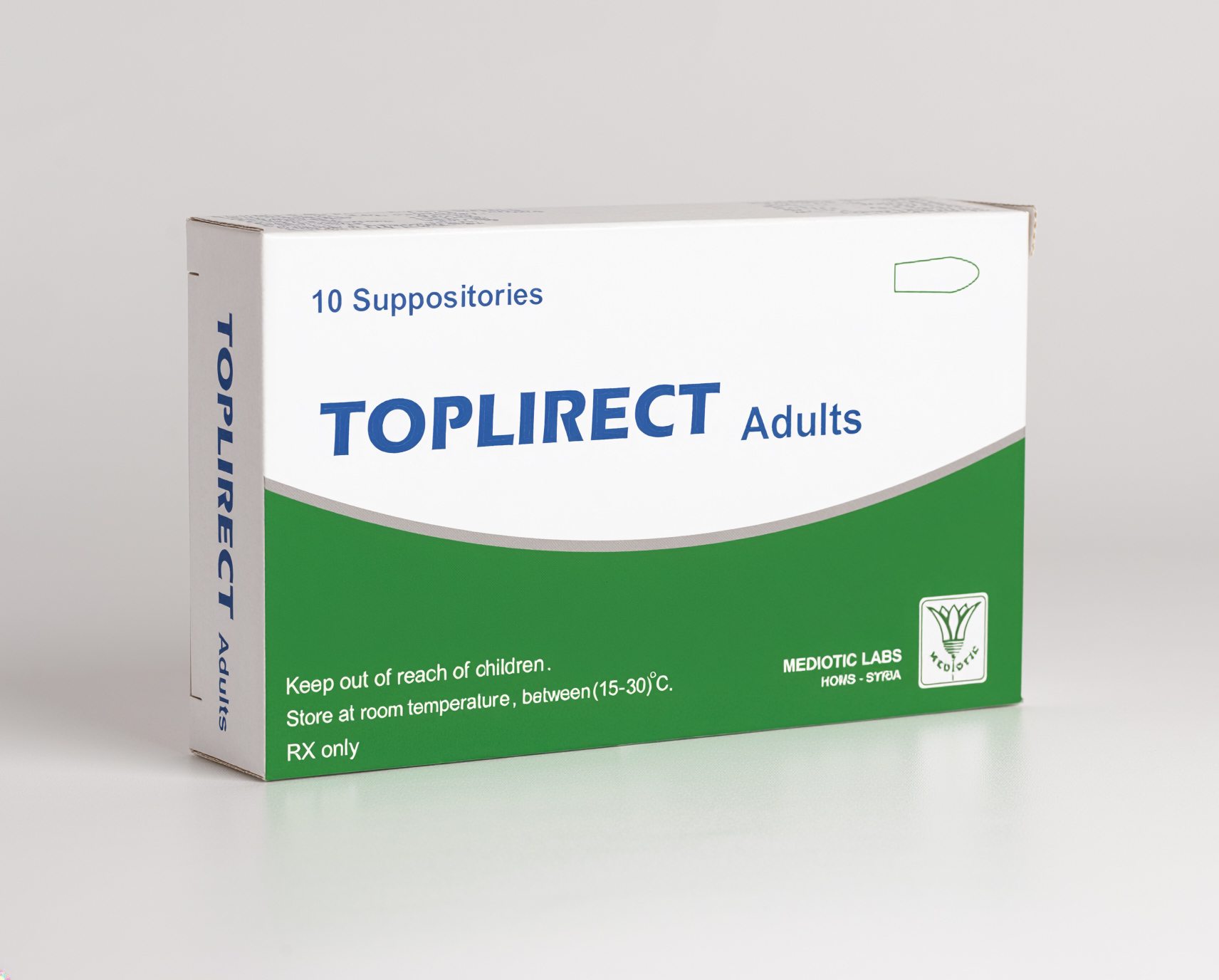
Toplirect Adult

TOPLIRECT(Children-Adults)

oxomemazine, guaifenesin, paracetamol, Sodium benzoate

suppositories

KI KP Adults Toplirect suppository contains: Oxomemazine 6.6 mg, Paracetamol 133.2 mg, Guaifenesin 133.2 mg, Sodium benzoate 133.2 mg. KI KP Children Toplirect suppository contains: Oxomemazine 3.3 mg, Paracetamol 66.6 mg, Guaifenesin 66.6 mg, Sodium benzoate 66.6 mg. Excipients: Hydrogenated vegetable oil.

Pharmacologic properties:

this drug is a combination of four substances: oxomemazine, synthetic antihistamine, with antitussive and sedative properties; guaifenesin, antiseptic of the airways, fluidifying bronchial secretions and expectorant, paracetamol, analgesic and antipyretic properties, and of sodium benzoate; causing less ammonia to be produced by the body. therefore it is used in the treatment of cough of inflammatory, allergic or even infectious origin and may be associated with antibiotics or anti-inflammatories, depending on the origin of the cough. INDICATION:

Symptomatic treatment of cough (irritative, non-productive, spasmodic, dry) associated with various respiratory conditions.

CONTRAINDICATIONS:

  • Children under 2 years of age.
  • It should not be given with other product containing paracetamol.
  • It should not be given to patients allergic to the any of the components.
  • Linked to oxomemazine: respiratory insufficiency, which ever be the degree.
  • Linked to paracetamol: hepatocellular insufficiency.
  • Tell the doctor if the patients have respiratory problems, liver problems or diabetic.
  • Breast feeding.
  • Allergic reaction.

PRECAUTIONS AND WARNINGS:

  • Prior to the initiation of antitussive treatment, it is appropriate to investigate causes of cough to identify those that require etiological treatment itself, mainly asthma, cancer, endobronchial affections, among others.
  • if cough persists after administration of antitussive in usual doses, it is not advisable to increase the dosage, but to make a review of the clinical status.
  • The doctor should be informed about the pre-existing diseases, allergies and current health conditions.
  • Caution should be exercised when administering this drug to vehicle drivers or potentially dangerous machinery due to the risk of drowsiness.

Pregnancy:

The safety of this drug during pregnancy has not been established. Therefore, it is recommended that its use only be made after evaluation of the risk-benefit ratio.

Use in elderly:

There are no special warnings and recommendations on the proper use of this drug in elderly patients DRUG INTERACTIONS:

  • Linked to oxomemazine: alcoholic beverages should be avoided during treatment.
  • Tell the doctor about any medicines that the patients are taking, before starting, or during treatment.
  • This drug may potentiate CNS depressants as well as central atropines, when in combination with other anticholinergic substances (other antihistamines, imipramine, phenothiazine, antiparkinsonians, anticholinergics, atropine antispasmodics and disopyramide). This drug may interact with the following drugs: lomitapide, mipomersen, Ketoconazole, Leflunomide, Prilocaine, Probenecid, Teriflunomide.

This drug may Interfere with certain laboratory tests.

Adverse Reactions:

  • In general, the body has a high tolerance to this drug.
  • The most commonly observed adverse effect is drowsiness. more rarely, constipation and urinary retention, mental confusion, dry mouth, gastrointestinal effects(in particular digestive intolerance), tardive dyskinesias, leucopenia and agranulocytosis may be observed. • If any unpleasant reaction occurs during treatment, tell the doctor immediately.
  • Consult the doctor if the patient observes any of the following side-effects: Stomach pain, Loose motions, Vomiting, Itchy skin rash, Rash, Feeling of sickness, Skin reddening, Shortness of breath, Swollen facial features, Nausea, Abnormalities of blood cells, Less white blood cells, Acute renal tubular necrosis, Blood dyscrasias, Changes in skin color, Cold hands and feet, Confusion, Dry mouth, Fever or chills, Dry skin, Increased hunger, Increased thirst.

Dosage and administration:

  • For the suppository 6.6 mg/ 133.2 mg/ 133.2 mg/ 133.2 mg:

Adults: 1 suppository in the morning and evening.

  • For the suppository 3.3 mg/ 66.6 mg/ 66.6 mg/ 66.6 mg:

Children 2 to 12 years of age: 1 suppository three times daily.

 always respecting the schedules, the doses and the duration of the treatment.

  • Discontinuation of treatment: the treatment should not be discontinued without the knowledge of the doctor.
  • In case of missing a dose, it should be used as soon as noticing. If it is close to the time of the next dose, skip the missed dose and resume the dosing schedule. extra dose should not be used to make up for a missed dose.

OVERDOSE:

Linked to oxomemazine: the clinical picture may be characterized by depression and coma. Treatment is symptomatic and

may be necessary. artificial respiration and anticonvulsants.

Linked to paracetamol: a solid dosage causes hepatic cytolysis, with susceptibility to complete and irreversible necrosis. The clinical signs manifest usually within the first 24 hours. Treatment should be performed in specialized unit.

Storage conditions:” store at room temperature, between (15-30°C).

“Keep out of reach of children”.

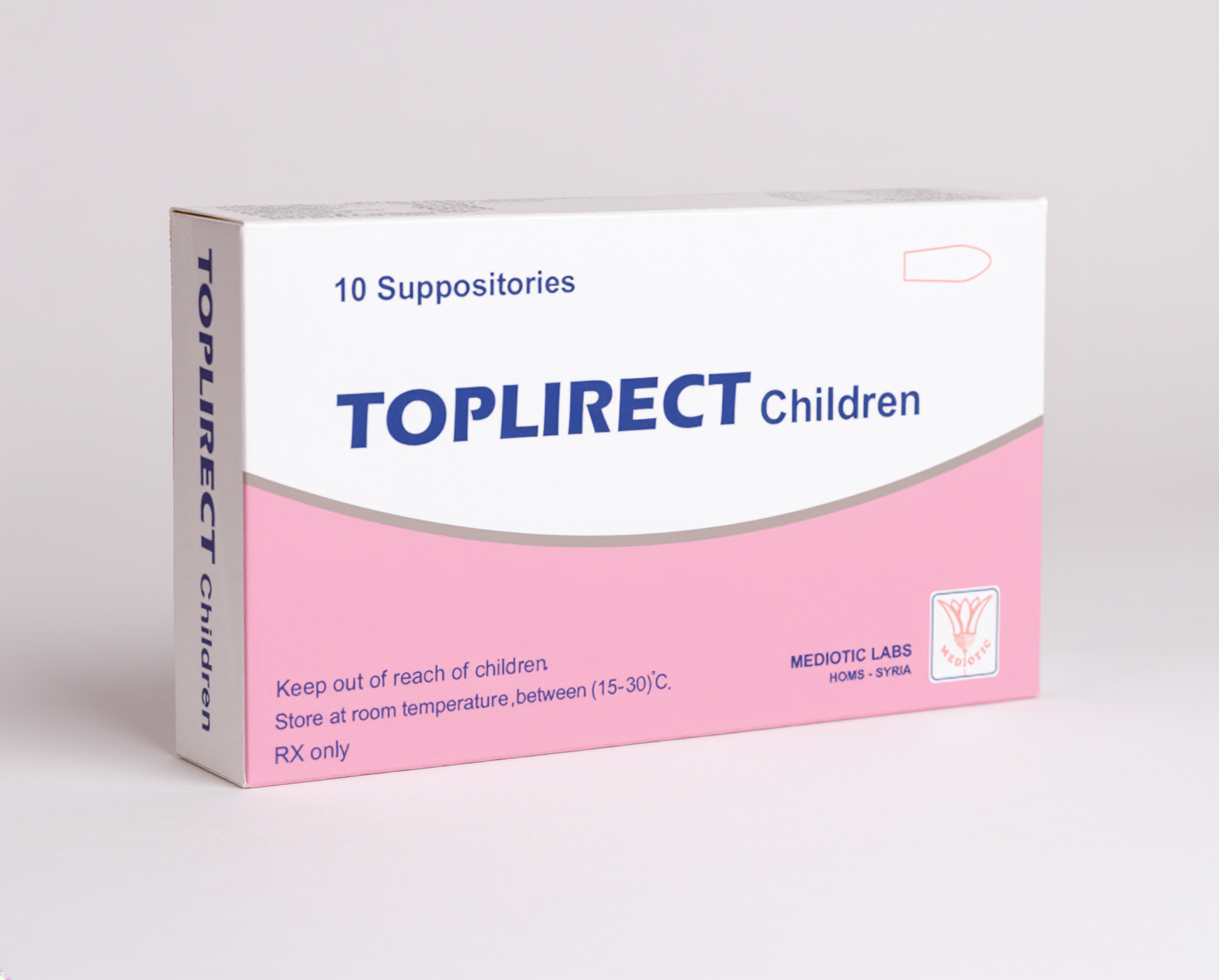
How supplied: 2 plastic blister contain 10 Toplirect children /cartoon.

2 plastic blister contain 10 Toplirect Adults /cartoon.

Toplirect children

TOPLIRECT(Children-Adults)

oxomemazine, guaifenesin, paracetamol, Sodium benzoate

suppositories

KI KP Adults Toplirect suppository contains: Oxomemazine 6.6 mg, Paracetamol 133.2 mg, Guaifenesin 133.2 mg, Sodium benzoate 133.2 mg. KI KP Children Toplirect suppository contains: Oxomemazine 3.3 mg, Paracetamol 66.6 mg, Guaifenesin 66.6 mg, Sodium benzoate 66.6 mg. Excipients: Hydrogenated vegetable oil.

Pharmacologic properties:

this drug is a combination of four substances: oxomemazine, synthetic antihistamine, with antitussive and sedative properties; guaifenesin, antiseptic of the airways, fluidifying bronchial secretions and expectorant, paracetamol, analgesic and antipyretic properties, and of sodium benzoate; causing less ammonia to be produced by the body. therefore it is used in the treatment of cough of inflammatory, allergic or even infectious origin and may be associated with antibiotics or anti-inflammatories, depending on the origin of the cough. INDICATION:

Symptomatic treatment of cough (irritative, non-productive, spasmodic, dry) associated with various respiratory conditions.

CONTRAINDICATIONS:

  • Children under 2 years of age.
  • It should not be given with other product containing paracetamol.
  • It should not be given to patients allergic to the any of the components.
  • Linked to oxomemazine: respiratory insufficiency, which ever be the degree.
  • Linked to paracetamol: hepatocellular insufficiency.
  • Tell the doctor if the patients have respiratory problems, liver problems or diabetic.
  • Breast feeding.
  • Allergic reaction.

PRECAUTIONS AND WARNINGS:

  • Prior to the initiation of antitussive treatment, it is appropriate to investigate causes of cough to identify those that require etiological treatment itself, mainly asthma, cancer, endobronchial affections, among others.
  • if cough persists after administration of antitussive in usual doses, it is not advisable to increase the dosage, but to make a review of the clinical status.
  • The doctor should be informed about the pre-existing diseases, allergies and current health conditions.
  • Caution should be exercised when administering this drug to vehicle drivers or potentially dangerous machinery due to the risk of drowsiness.

Pregnancy:

The safety of this drug during pregnancy has not been established. Therefore, it is recommended that its use only be made after evaluation of the risk-benefit ratio.

Use in elderly:

There are no special warnings and recommendations on the proper use of this drug in elderly patients DRUG INTERACTIONS:

  • Linked to oxomemazine: alcoholic beverages should be avoided during treatment.
  • Tell the doctor about any medicines that the patients are taking, before starting, or during treatment.
  • This drug may potentiate CNS depressants as well as central atropines, when in combination with other anticholinergic substances (other antihistamines, imipramine, phenothiazine, antiparkinsonians, anticholinergics, atropine antispasmodics and disopyramide). This drug may interact with the following drugs: lomitapide, mipomersen, Ketoconazole, Leflunomide, Prilocaine, Probenecid, Teriflunomide.

This drug may Interfere with certain laboratory tests.

Adverse Reactions:

  • In general, the body has a high tolerance to this drug.
  • The most commonly observed adverse effect is drowsiness. more rarely, constipation and urinary retention, mental confusion, dry mouth, gastrointestinal effects(in particular digestive intolerance), tardive dyskinesias, leucopenia and agranulocytosis may be observed. • If any unpleasant reaction occurs during treatment, tell the doctor immediately.
  • Consult the doctor if the patient observes any of the following side-effects: Stomach pain, Loose motions, Vomiting, Itchy skin rash, Rash, Feeling of sickness, Skin reddening, Shortness of breath, Swollen facial features, Nausea, Abnormalities of blood cells, Less white blood cells, Acute renal tubular necrosis, Blood dyscrasias, Changes in skin color, Cold hands and feet, Confusion, Dry mouth, Fever or chills, Dry skin, Increased hunger, Increased thirst.

Dosage and administration:

  • For the suppository 6.6 mg/ 133.2 mg/ 133.2 mg/ 133.2 mg:

Adults: 1 suppository in the morning and evening.

  • For the suppository 3.3 mg/ 66.6 mg/ 66.6 mg/ 66.6 mg:

Children 2 to 12 years of age: 1 suppository three times daily.

 always respecting the schedules, the doses and the duration of the treatment.

  • Discontinuation of treatment: the treatment should not be discontinued without the knowledge of the doctor.
  • In case of missing a dose, it should be used as soon as noticing. If it is close to the time of the next dose, skip the missed dose and resume the dosing schedule. extra dose should not be used to make up for a missed dose.

OVERDOSE:

Linked to oxomemazine: the clinical picture may be characterized by depression and coma. Treatment is symptomatic and

may be necessary. artificial respiration and anticonvulsants.

Linked to paracetamol: a solid dosage causes hepatic cytolysis, with susceptibility to complete and irreversible necrosis. The clinical signs manifest usually within the first 24 hours. Treatment should be performed in specialized unit.

Storage conditions:” store at room temperature, between (15-30°C).

“Keep out of reach of children”.

How supplied: 2 plastic blister contain 10 Toplirect children /cartoon.

2 plastic blister contain 10 Toplirect Adults /cartoon.

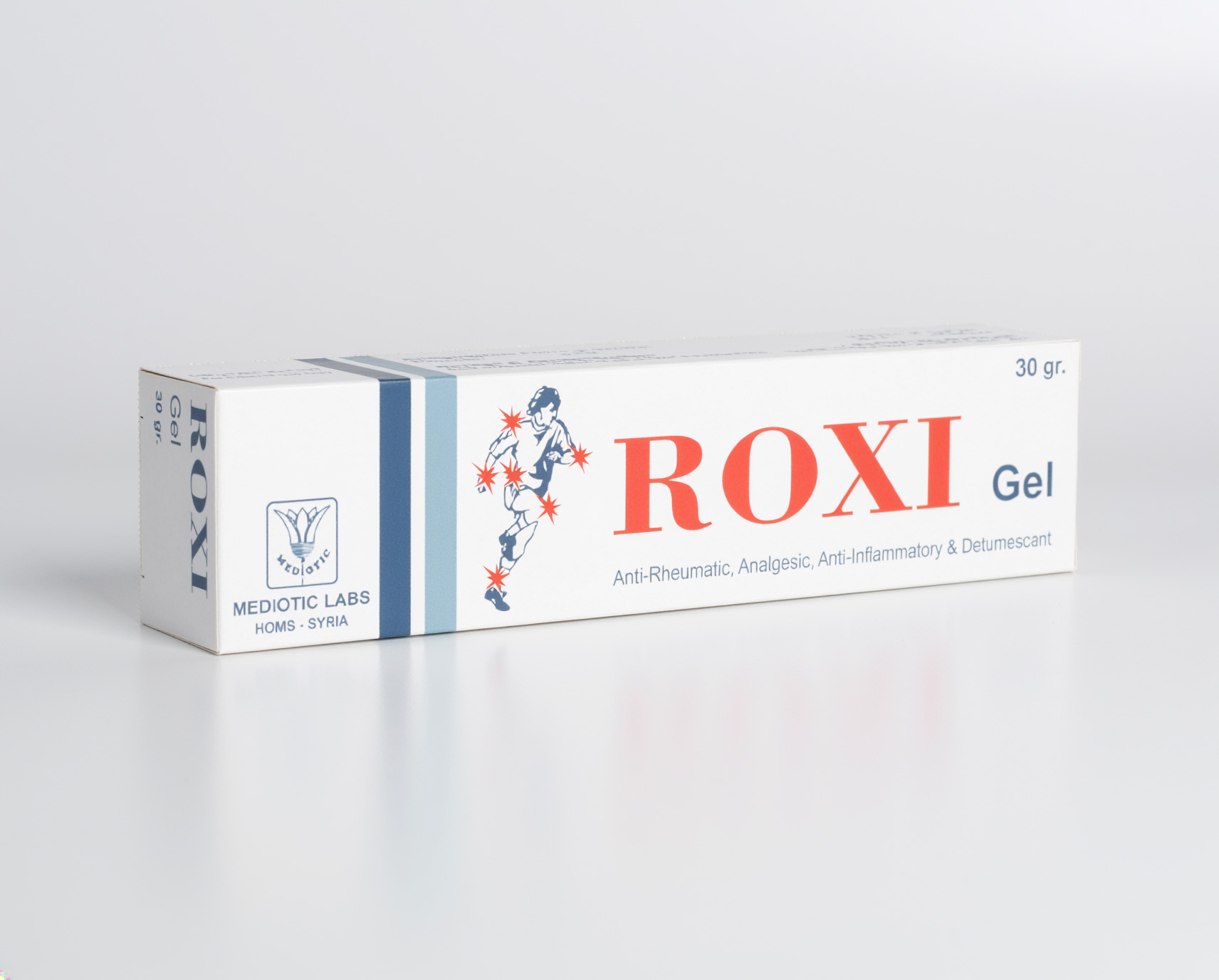
ROXI

Traumatic injuries and after exercise, in tendons and ligaments, and muscles (as in strains, ecchymoses and exertion).

Local forms of soft tissue rheumatism, tendintis, vaginitis, shoulder-hand syndrome, bursitis, and lumbago.

Osteo-arthritis of the spine and peripheral joints.

Peri-arthritis.

Acute Gout.

Cautions:

Avoid using Roxi Gel on cuts or eczematous skin.

Avoid contact with eyes or swallowing the gel.

Prolonged usage or large quantities may lead to systemic side effects of piroxicam.

Side Effects:

Itching, eruptions, and redness (all are rare).

Contra-indications:

Sensitivity to piroxicam or any other Non-Steroid Anti-Inflammatory drugs. Sensitivity to aspirin.

Pregnancy (studies about it are little).

Dosage & Administration

Apply 1 gram of Roxi Gel to the affected area; rub gently 3-4 times daily.

Presentation:

Tube contains 30 grams Roxi Gel.


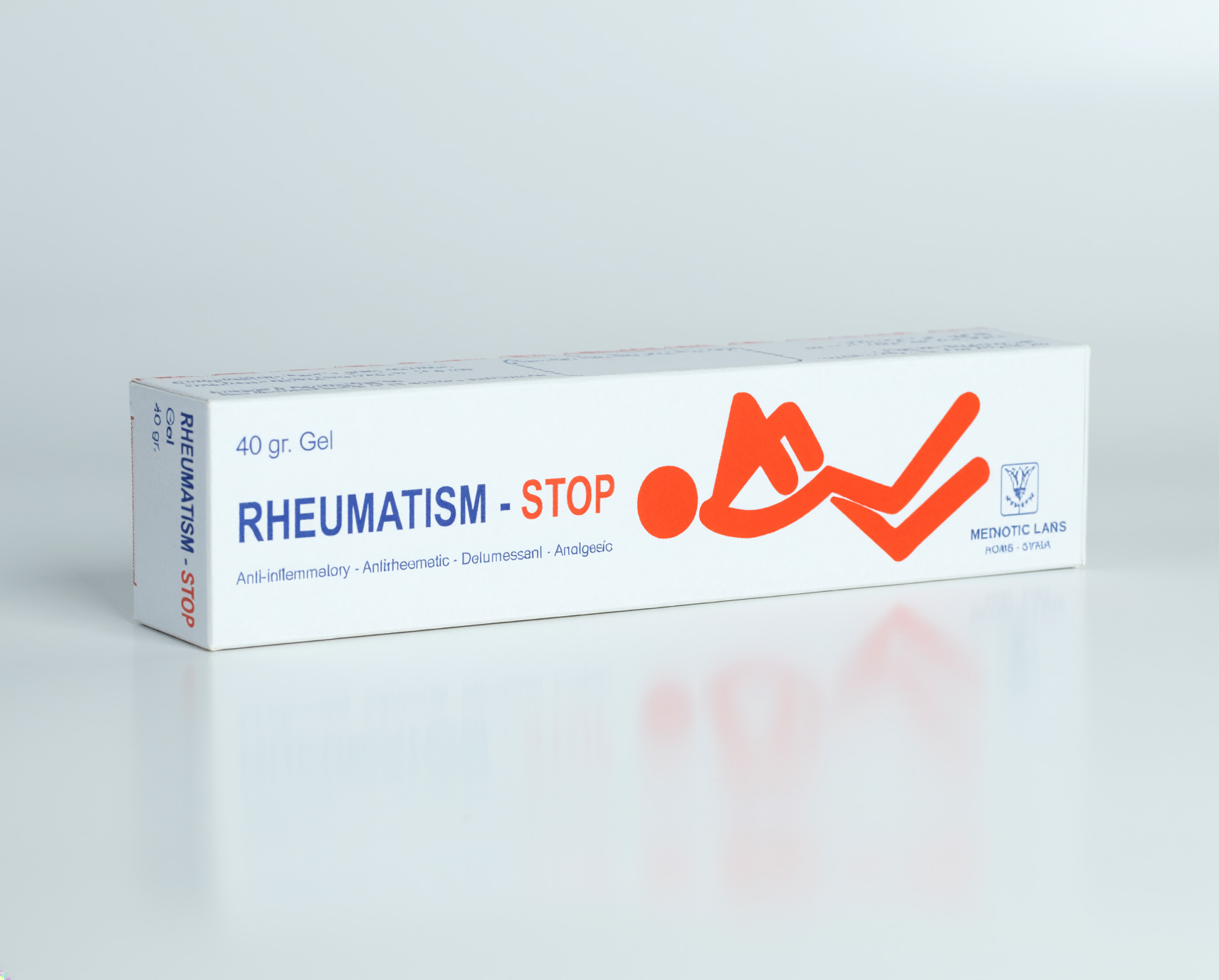
RHEUMATISM-STOP

Rheumatism-Stop gel contains Diclofenac, a Non-Steroid Anti-Inflammatory N.S.A.I., which is applied locally and affected percotaneously therefor it has two benefits:

  • High concentration of active substance on affected area.
  • To avoid the side effects of N.S.A.I. when it is taken orally or by rectum. Rheumatism-Stop gel decreases the inflammatory swelling and it is a good analgesic agent. Rheumatism-Stop gel is easy to apply, while, its white, creamy, and non-greasy preparation can penetrate into the skin and its aqueous-alcoholic base gives it a soothing and cooling effect. Studies assured that the concentration of the active substance in the inflammated area is higher than in the plasma, and that shows the preparation effectiveness.

Indications:

Traumatic inflammation in the ligaments, tendons, and joints, as sprain, strain, and bruises. Localized forms of soft-tissues, as, tendovaginitis, and shoulder hand syndrome.

– Localized rheumatic diseases as, osteorthritis of the spine and peripheral joints.

– Periarthropathy.

Contraindications:

Hypersensitivity to Diclofenac or any other N.S.A.I. agents.

Pregnancy & Lactation:

It is recommeded to consult your physician prior to the use of this medication during pregarcy and lactation. Precautions:

– This medication should only be applied to intact skin, not to damaged skin or open wounds.

– This medication should not come into contact with the eyes or mucous membranes.

-Do not use this medication orally.

Side effects:

Rheumatism-Stop gel is generally well tolerated; pruritus, erythema, rash, or stinging may occasionally occur.

If Rheumatism-Stop gel is applied to large areas for prolonged periods, the possibility of systemic reactions of N.S.A.I. may occur.

Dosage and Administration:

Depending on the size of painful area to be treated 3-4 g of Rheumatism-Stop gel, cherry to walnut-sized amount, should be applied 3-4 times daily to affected sites and gently rubbed in. Rheumatism-Stop gel can also be employed as an adjunct with other dosage forms of diclofenac.

Storage:

Protect from heat (store below 25°C).

Presentation:

Aluminum tube contains 40 g of Rheumatism-Stop gel.

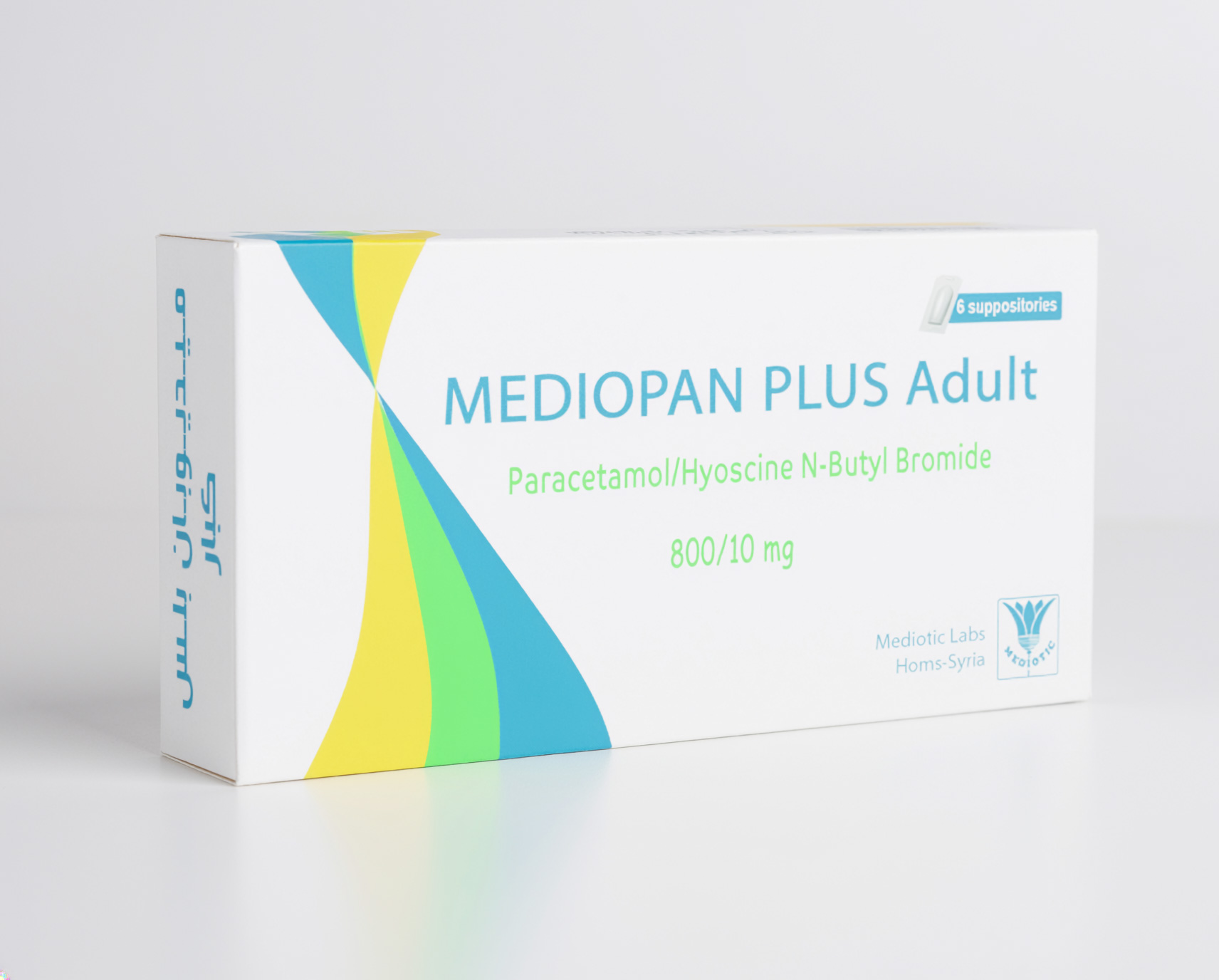
MEDIOPAN PLUS ADULT

10 mg (Hyoscine-N- Butylbromide), 500 mg paracetamol (film-coated tablets) 10 mg (Hyoscine-N- Butylbromide), 800 mg paracetamol (suppositories) 7.5 mg (Hyoscine-N- Butylbromide), 250 mg paracetamol (suppositories)

COMPOSITION & EXCIPIENTS:

Each MEDIOPAN PLUS film-coated tablet contains:

10 mg (Hyoscine-N- Butylbromide), 500 mg Paracetamol.

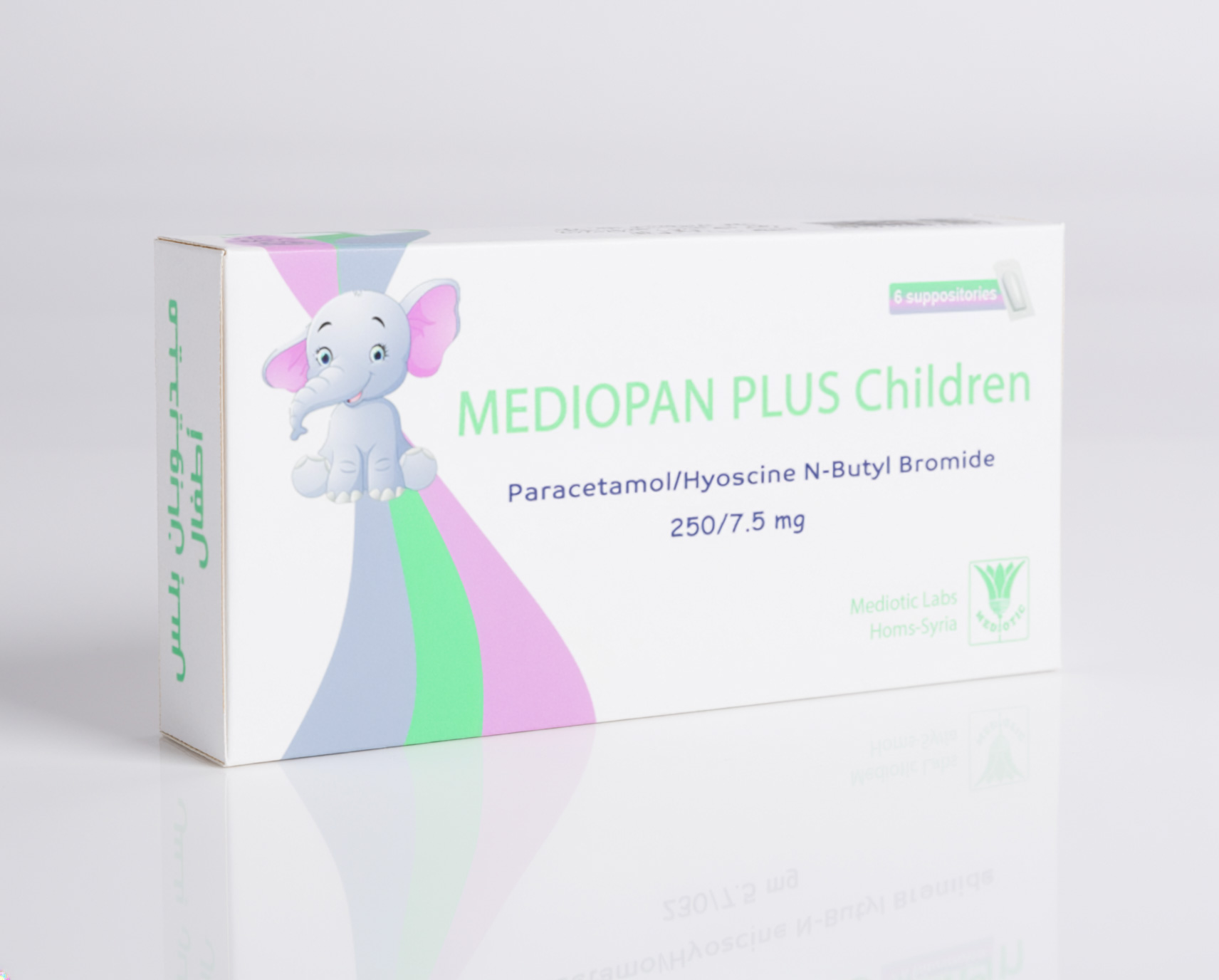
Each MEDIOPAN PLUS Children suppository (1 g) contains:

7.5 mg Hyoscine Butyl Bromide, 250 mg Paracetamol.

Each MEDIOPAN PLUS Adults suppository (2 g) contains:

10 mg Hyoscine Butyl Bromide, 800 mg Paracetamol. Excipients:

Film coated tablets:

Core: Starch, Magnesium Stearate, Microcrystalline Cellulose.

Film: PEG, Hydroxy Propyl Methyl Cellulose.

Suppositories: Aerosil, Hydrogenated Vegetable Oil.

MECHANISM OF ACTION:

MEDIOTIC

(Hyoscine-N- Butylbromide) acts spasmolytically on the smooth musculature of the gastrointestinal tract, the bile and discharge urinary tract, and the female genital organs. The peripheral anticholinergic effects are due both to the ganglion blockade in the visceral wall and to anti- muscarinic effects.

In addition to a very weak anti-inflammatory effect, paracetamol has analgesic and antipyretic properties. PHARMACOKINETICS PROPERTIES:

(Hyoscine-N- Butylbromide):

Absorption: (Hyoscine-N- Butylbromide) only partly absorbed due to the strong polar properties of this quaternary ammonium compound and the low lipid solubility resulting from after oral (8%) or rectal (3%) administration. Distribution: The plasma protein binding is 4.4%.

Biotransformation and elimination: Butylbromide mainly metabolized by hydrolytic cleavage of the ester bond. Orally applied (Hyoscine-N- Butylbromide) precipitated via faeces and urine. Approximately 90% of the radioactivity was found in the faeces after oral administration; in the urine, up to 5% of the radioactivity was found depending on the type of application. Paracetamol:

Absorption: After oral administration, paracetamol is absorbed rapidly and almost completely in the small intestine. Maximum plasma concentrations are reached 0.5 – 2 hours after administration.

After rectal administration, paracetamol is absorbed with an absolute bioavailability of about 30% to 40%; maximum plasma concentrations are reached after 1.3-3.5 hours.

Distribution: Paracetamol spreads rapidly in all tissues. The plasma protein binding is low (between 5% and 20%).

Biotransformation: Paracetamol is primarily metabolized in the liver.

Elimination: Excretion is predominantly in the urine. The elimination half-life is about two hours.

Renal insufficiency: In severe renal insufficiency (creatinine clearance <10 ml / min) the excretion of paracetamol and its metabolites is delayed.

INDICATIONS:

For patients with convulsive pain in the stomach and intestine disorders, convulsive pain and dysfunction in the area of the bile ducts, the urinary tract and the female genital organs (e.g. dysmenorrhea).

CONTRAINDICATIONS:

  • Hypersensitivity to the active substances or to any of the excipients
  • Mechanical stenosis of the gastrointestinal tract
  • Megacolon
  • Urinary retention in subvesical obstruction (e.g. prostate adenoma)
  • Angular glaucoma
  • Tachycardia and tachyarrhythmia
  • Myasthenia gravis
  • Severe hepatic insufficiency (Child-Pugh C)

WARNINGS AND PRECAUTIONS:

  • A physician should be consulted immediately if severe abdominal pain persists or worsens or occurs together with symptoms such as fever, nausea, vomiting, and changes in intestinal motility, abdominal (pressure) sensitivity, blood pressure drop, fainting, or blood in the stool.
  • In order to avoid the risk of overdosing, it should be ensured that concurrent use of other medicinal products does not contain paracetamol.
  • This drug should be used with caution in the following cases:
    • Hepatocellular insufficiency (Child-Pugh A/B)
    • Hepatic dysfunction (e.g. due to chronic alcohol abuse, hepatitis)
    • Serious renal insufficiency (creatinine clearance <10 ml / min)
    • Gilbert syndrome (Meulengracht disease)
    • glucose-6-phosphate dehydrogenase deficiency
  • In case of high fever, signs of secondary infection, or persisting symptoms for more than 3 days, the doctor must be consulted.
  • The doctor should be consulted if the pain persists or worsens, new symptoms are observed, or redness or swelling occurs, as this may be an indication of serious adverse reactions.
  • Blood count, liver and kidney function should be monitored during prolonged use.
  • Severe acute hypersensitivity reactions, Such as anaphylactic shock, have been observed very rarely. At the first signs of hypersensitivity reaction, treatment with this drug must be discontinued.
  • In the case of prolonged high-dose, inappropriate use of analgesics, headaches may occur which should not be treated by increased doses of the drug.
  • Abrupt discontinuation after prolonged high-dose may cause headache, fatigue, muscle pain, nervousness, and vegetative symptoms. The symptom of withdrawal sounds within a few days. Until then, the recovery of painkillers should be omitted, and re-ingestion should not take place without medical advice.

Pregnancy:

There are no adequate data on the use of this drug in pregnant women. It is not known whether (Hyoscine-N- Butylbromide) passes the placenta, so that pharmacological effects on the fetus are possible. Therefore, the use of this drug during pregnancy is therefore not recommended.


Lactation:

It is not known whether (Hyoscine-N- Butylbromide) passes into the mother’s milk. Muscarine receptor antagonists are known to inhibit the production of milk.

The use of this drug during breastfeeding should only be done after a strict indication.

DRUG INTERACTIONS:

  • The anticholinergic effects of other anticholinergics, amantadine, tri- and tetracyclic antidepressants, antipsychotics, quinidine, antihistamines, disopyramide, as well as the tachycardia effect of B-sympathomimetics can be enhanced by this drug.
  • Concomitant therapy with dopamine antagonists, e.g. metoclopramide, can lead to a mutual attenuation of the effect on the motility of the gastrointestinal tract.
  • Concomitant administration of medicinal products which lead to enzyme induction in the liver, (e.g. phenobarbital, phenytoin, carbamazepine) and rifampicin, can cause liver damage with harmless doses of paracetamol. The same applies to potentially hepatotoxic substances as well as to alcohol abuse.
  • The use of probenecid leads to a reduction in paracetamol clearance. Taking concurrent use of probenecid, paracetamol doses should be reduced.
  • Concomitant use of paracetamol and chloramphenicol may significantly slow the excretion of chloramphenicol and increase its toxicity.
  • Concomitant use of paracetamol and zidovudine (AZT or retrovir) increases the tendency to develop neutropenia. This drug should therefore only be administered according to a doctor’s prescription.
  • Cholestyramine reduces the effectiveness of paracetamol.
  • The simultaneous ingestion of agents that lead to an acceleration of the gastric emptying, For example, metoclopramide, accelerates the uptake and activity of paracetamol.
  • In case of simultaneous administration of agents, which lead to a slowing down of the gastric emptying, e.g. propantheline, the uptake and effect of action of paracetamol can be delayed.
  • Effects on laboratory values: The paracetamol content of this drug can influence the determination of uric acid by means of phosphorus tungstic acid as well as the glucose oxidase peroxidase glucose determination.

SIDE EFFECTS:

Many of the known undesirable effects are due to the anticholinergic properties of (Hyoscine-N- Butylbromide). These anticholinergic effects are generally mild.

Occasionally: Dizziness, fatigue, Mouth dryness (inhibition of salivary secretion), diarrhea, nausea, vomiting, stomach, airways, chest and mediastinum discomfort.

Rare: Blood pressure drop, erythema, Tachycardia, Micturition disorders such as: Dysuria.

Very rare: Severe skin reactions (such as Stevens-Johnson syndrome (SJS), toxic-epidermal necrolysis (TEN) and acute generalized exanthematous pustulitis (AGEP)) have been reported under paracetamol, Accommodation disorders, especially in patients who are hyperopic and not adequately corrected; Glaucoma.

Posology and method of administration:

  1. Adults and adolescents from 12 years of age:
    1. Film coated tablets: 1 – 2 film coated tablets Up to 3 times daily.
    2. Suppository (10/800): 1 suppository Up to 3-4 times a day.
      The maximum dose per day of 6 film coated tablets or 4 suppositories must not be exceeded. The time interval between doses should be at least 6 hours (suppository) or 8 hours (film-coated tablets).
  2. Children from 6 -12 years old:
    Suppository (7.5/250): 1-2 supp daily 3-4 times

The film coated tablets should be swallowed whole with sufficient liquid.

The suppository should be inserted into the empty rectum.

The use of this drug over a period of more than 3 – 4 days is to be weighed by a doctor.

OVERDOSING:

Symptoms:

  • (Hyoscine-N- Butylbromide): If overdose, anticholinergic symptoms such as blurred vision, tachycardia, mouth dryness and skin redness are to be expected. Death occurs through breathing paralysis.
  • Paracetamol: There is a risk of intoxication, especially in elderly people, small children, persons with liver disease, chronic alcohol abuse, chronic deficiency, and at the same time taking medicines that lead to enzyme induction. In these cases, overdosing can lead to death. Symptoms occur within 24 hours: nausea, vomiting, anorexia, pallor, and abdominal pain. Clinical symptoms of liver injury are usually visible after 2 days and reach a maximum after 4 to 6 days. Even if no severe liver damage is present, acute kidney failure with acute tubule necrosis may occur.

Treatment:

  • Already in case of suspicion of intoxication with paracetamol, the intravenous administration, for example, N-acetylcysteine. However, N-acetylcysteine can still provide some protection even after 10 and up to 48 hours. The plasma concentration of paracetamol can be reduced by dialysis. Determination of the plasma concentration of paracetamol is recommended. The further treatment options for the treatment of intoxication with paracetamol depend on the extent, stage and clinical symptoms according to the usual measures in intensive care.
  • For pronounced anticholinergic effects ((Hyoscine-N- Butylbromide)), para-sympathomimetics should be used (neostigmine 0.5 – 2.5 mg i.m. or i.v.). In glaucoma patients, pilocarpine is local; an eye doctor should be consulted immediately. Catheterize during urine retention. Cardiovascular complications are to be treated according to the usual therapy principles.

STORAGE CONDITIONS:

Store at room temperature, below 30 °C.

Keep out of reach of children.

PACKAGING:

Film coated tablets: 2 blisters, each contains 10 film coated tablets/carton box.

Suppositories: 1 plastic blister contains 6 suppositories/carton box.

MEDIOPAN PLUS CHIDREN

10 mg (Hyoscine-N- Butylbromide), 500 mg paracetamol (film-coated tablets) 10 mg (Hyoscine-N- Butylbromide), 800 mg paracetamol (suppositories) 7.5 mg (Hyoscine-N- Butylbromide), 250 mg paracetamol (suppositories)

COMPOSITION & EXCIPIENTS:

Each MEDIOPAN PLUS film-coated tablet contains:

10 mg (Hyoscine-N- Butylbromide), 500 mg Paracetamol.

Each MEDIOPAN PLUS Children suppository (1 g) contains:

7.5 mg Hyoscine Butyl Bromide, 250 mg Paracetamol.

Each MEDIOPAN PLUS Adults suppository (2 g) contains:

10 mg Hyoscine Butyl Bromide, 800 mg Paracetamol. Excipients:

Film coated tablets:

Core: Starch, Magnesium Stearate, Microcrystalline Cellulose.

Film: PEG, Hydroxy Propyl Methyl Cellulose.

Suppositories: Aerosil, Hydrogenated Vegetable Oil.

MECHANISM OF ACTION:

MEDIOTIC

(Hyoscine-N- Butylbromide) acts spasmolytically on the smooth musculature of the gastrointestinal tract, the bile and discharge urinary tract, and the female genital organs. The peripheral anticholinergic effects are due both to the ganglion blockade in the visceral wall and to anti- muscarinic effects.

In addition to a very weak anti-inflammatory effect, paracetamol has analgesic and antipyretic properties. PHARMACOKINETICS PROPERTIES:

(Hyoscine-N- Butylbromide):

Absorption: (Hyoscine-N- Butylbromide) only partly absorbed due to the strong polar properties of this quaternary ammonium compound and the low lipid solubility resulting from after oral (8%) or rectal (3%) administration. Distribution: The plasma protein binding is 4.4%.

Biotransformation and elimination: Butylbromide mainly metabolized by hydrolytic cleavage of the ester bond. Orally applied (Hyoscine-N- Butylbromide) precipitated via faeces and urine. Approximately 90% of the radioactivity was found in the faeces after oral administration; in the urine, up to 5% of the radioactivity was found depending on the type of application. Paracetamol:

Absorption: After oral administration, paracetamol is absorbed rapidly and almost completely in the small intestine. Maximum plasma concentrations are reached 0.5 – 2 hours after administration.

After rectal administration, paracetamol is absorbed with an absolute bioavailability of about 30% to 40%; maximum plasma concentrations are reached after 1.3-3.5 hours.

Distribution: Paracetamol spreads rapidly in all tissues. The plasma protein binding is low (between 5% and 20%).

Biotransformation: Paracetamol is primarily metabolized in the liver.

Elimination: Excretion is predominantly in the urine. The elimination half-life is about two hours.

Renal insufficiency: In severe renal insufficiency (creatinine clearance <10 ml / min) the excretion of paracetamol and its metabolites is delayed.

INDICATIONS:

For patients with convulsive pain in the stomach and intestine disorders, convulsive pain and dysfunction in the area of the bile ducts, the urinary tract and the female genital organs (e.g. dysmenorrhea).

CONTRAINDICATIONS:

  • Hypersensitivity to the active substances or to any of the excipients
  • Mechanical stenosis of the gastrointestinal tract
  • Megacolon
  • Urinary retention in subvesical obstruction (e.g. prostate adenoma)
  • Angular glaucoma
  • Tachycardia and tachyarrhythmia
  • Myasthenia gravis
  • Severe hepatic insufficiency (Child-Pugh C)

WARNINGS AND PRECAUTIONS:

  • A physician should be consulted immediately if severe abdominal pain persists or worsens or occurs together with symptoms such as fever, nausea, vomiting, and changes in intestinal motility, abdominal (pressure) sensitivity, blood pressure drop, fainting, or blood in the stool.
  • In order to avoid the risk of overdosing, it should be ensured that concurrent use of other medicinal products does not contain paracetamol.
  • This drug should be used with caution in the following cases:
    • Hepatocellular insufficiency (Child-Pugh A/B)
    • Hepatic dysfunction (e.g. due to chronic alcohol abuse, hepatitis)
    • Serious renal insufficiency (creatinine clearance <10 ml / min)
    • Gilbert syndrome (Meulengracht disease)
    • glucose-6-phosphate dehydrogenase deficiency
  • In case of high fever, signs of secondary infection, or persisting symptoms for more than 3 days, the doctor must be consulted.
  • The doctor should be consulted if the pain persists or worsens, new symptoms are observed, or redness or swelling occurs, as this may be an indication of serious adverse reactions.
  • Blood count, liver and kidney function should be monitored during prolonged use.
  • Severe acute hypersensitivity reactions, Such as anaphylactic shock, have been observed very rarely. At the first signs of hypersensitivity reaction, treatment with this drug must be discontinued.
  • In the case of prolonged high-dose, inappropriate use of analgesics, headaches may occur which should not be treated by increased doses of the drug.
  • Abrupt discontinuation after prolonged high-dose may cause headache, fatigue, muscle pain, nervousness, and vegetative symptoms. The symptom of withdrawal sounds within a few days. Until then, the recovery of painkillers should be omitted, and re-ingestion should not take place without medical advice.

Pregnancy:

There are no adequate data on the use of this drug in pregnant women. It is not known whether (Hyoscine-N- Butylbromide) passes the placenta, so that pharmacological effects on the fetus are possible. Therefore, the use of this drug during pregnancy is therefore not recommended.


Lactation:

It is not known whether (Hyoscine-N- Butylbromide) passes into the mother’s milk. Muscarine receptor antagonists are known to inhibit the production of milk.

The use of this drug during breastfeeding should only be done after a strict indication.

DRUG INTERACTIONS:

  • The anticholinergic effects of other anticholinergics, amantadine, tri- and tetracyclic antidepressants, antipsychotics, quinidine, antihistamines, disopyramide, as well as the tachycardia effect of B-sympathomimetics can be enhanced by this drug.
  • Concomitant therapy with dopamine antagonists, e.g. metoclopramide, can lead to a mutual attenuation of the effect on the motility of the gastrointestinal tract.
  • Concomitant administration of medicinal products which lead to enzyme induction in the liver, (e.g. phenobarbital, phenytoin, carbamazepine) and rifampicin, can cause liver damage with harmless doses of paracetamol. The same applies to potentially hepatotoxic substances as well as to alcohol abuse.
  • The use of probenecid leads to a reduction in paracetamol clearance. Taking concurrent use of probenecid, paracetamol doses should be reduced.
  • Concomitant use of paracetamol and chloramphenicol may significantly slow the excretion of chloramphenicol and increase its toxicity.
  • Concomitant use of paracetamol and zidovudine (AZT or retrovir) increases the tendency to develop neutropenia. This drug should therefore only be administered according to a doctor’s prescription.
  • Cholestyramine reduces the effectiveness of paracetamol.
  • The simultaneous ingestion of agents that lead to an acceleration of the gastric emptying, For example, metoclopramide, accelerates the uptake and activity of paracetamol.
  • In case of simultaneous administration of agents, which lead to a slowing down of the gastric emptying, e.g. propantheline, the uptake and effect of action of paracetamol can be delayed.
  • Effects on laboratory values: The paracetamol content of this drug can influence the determination of uric acid by means of phosphorus tungstic acid as well as the glucose oxidase peroxidase glucose determination.

SIDE EFFECTS:

Many of the known undesirable effects are due to the anticholinergic properties of (Hyoscine-N- Butylbromide). These anticholinergic effects are generally mild.

Occasionally: Dizziness, fatigue, Mouth dryness (inhibition of salivary secretion), diarrhea, nausea, vomiting, stomach, airways, chest and mediastinum discomfort.

Rare: Blood pressure drop, erythema, Tachycardia, Micturition disorders such as: Dysuria.

Very rare: Severe skin reactions (such as Stevens-Johnson syndrome (SJS), toxic-epidermal necrolysis (TEN) and acute generalized exanthematous pustulitis (AGEP)) have been reported under paracetamol, Accommodation disorders, especially in patients who are hyperopic and not adequately corrected; Glaucoma.

Posology and method of administration:

  1. Adults and adolescents from 12 years of age:
    1. Film coated tablets: 1 – 2 film coated tablets Up to 3 times daily.
    2. Suppository (10/800): 1 suppository Up to 3-4 times a day.
      The maximum dose per day of 6 film coated tablets or 4 suppositories must not be exceeded. The time interval between doses should be at least 6 hours (suppository) or 8 hours (film-coated tablets).
  2. Children from 6 -12 years old:
    Suppository (7.5/250): 1-2 supp daily 3-4 times

The film coated tablets should be swallowed whole with sufficient liquid.

The suppository should be inserted into the empty rectum.

The use of this drug over a period of more than 3 – 4 days is to be weighed by a doctor.

OVERDOSING:

Symptoms:

  • (Hyoscine-N- Butylbromide): If overdose, anticholinergic symptoms such as blurred vision, tachycardia, mouth dryness and skin redness are to be expected. Death occurs through breathing paralysis.
  • Paracetamol: There is a risk of intoxication, especially in elderly people, small children, persons with liver disease, chronic alcohol abuse, chronic deficiency, and at the same time taking medicines that lead to enzyme induction. In these cases, overdosing can lead to death. Symptoms occur within 24 hours: nausea, vomiting, anorexia, pallor, and abdominal pain. Clinical symptoms of liver injury are usually visible after 2 days and reach a maximum after 4 to 6 days. Even if no severe liver damage is present, acute kidney failure with acute tubule necrosis may occur.

Treatment:

  • Already in case of suspicion of intoxication with paracetamol, the intravenous administration, for example, N-acetylcysteine. However, N-acetylcysteine can still provide some protection even after 10 and up to 48 hours. The plasma concentration of paracetamol can be reduced by dialysis. Determination of the plasma concentration of paracetamol is recommended. The further treatment options for the treatment of intoxication with paracetamol depend on the extent, stage and clinical symptoms according to the usual measures in intensive care.
  • For pronounced anticholinergic effects ((Hyoscine-N- Butylbromide)), para-sympathomimetics should be used (neostigmine 0.5 – 2.5 mg i.m. or i.v.). In glaucoma patients, pilocarpine is local; an eye doctor should be consulted immediately. Catheterize during urine retention. Cardiovascular complications are to be treated according to the usual therapy principles.

STORAGE CONDITIONS:

Store at room temperature, below 30 °C.

Keep out of reach of children.

PACKAGING:

Film coated tablets: 2 blisters, each contains 10 film coated tablets/carton box.

Suppositories: 1 plastic blister contains 6 suppositories/carton box.

MEFEN 250

Properties:

Capsules 250mg/ Cap.

Coated Tablets

500mg/ C. T.

Oral Suspension 50mg/5ml

– Mefenamic acid is a Non Steroidal Anti Inflammatory drug (NSAID).

– Mefenamic acid inhibits prostaglandin synthesis.

– Mefenamic acid is used as an analgesic, with an anti inflammatory and demonstrable anti pyretic effects. Indications:

Mefen is indicated for the relief of mild to moderate pain including muscular, traumatic and dental pain, headache of most aetiology, post-operative and post-partum pain.

Mefen is indicated for the relief of mild to moderate pain in rheumatoid arthritis (including still’s Disease) and osteoarthrosis. Mefen is indicated for primary dysmenorrhoea.

Contraindications:

Mefen is contra-indicated in patients with known hypersensitivity to Mefenamic acid or any of the other NSAIDs.

Mefen is contra-indicated in inflammatory bowel disease and in patients suffering from peptic and/or intestinal ulceration. Mefen is contra-indicated in patients with severe renal impairment.

Side effects:

The most common side effects are gastro-intestinal disturbances including: abdominal pain, nausea, vomiting, diarrhea which may occur soon after starting treatment, or after several months of continuous use.The diarrhoea has been more observed in patients suffering from proctocolitis.

If server diarrhoea does develop, the drug should be stopped immediately and this patient should not receive it again.

– Skin rashes have been observed in some patients following the administration of Mefen and that case requirs the immediate withdrawn of the drug. – Hypotension.

– Central nervous disturbances such as: headache, blurred vision, fatigue, and dizziness.

Warnings:

– Peptic ulceration and mild gastro-intestinal bleeding have also been reported in some cases, so Mefen must be used with caution in those with a prior history of ulcer disease.

– In rare cases an impairment of hematopoiesis has occured: temporary lowering of the white blood cells count has been reported, in few cases a reversible haemolytic anemia has occurred. Blood studies should therefore be carried out during long term treatment.

– Caution must be taken in those showing hypersensitivity reactions to Aspirin and other NSAIDs such as bronchospasm (in asthma patients).

– Caution must be taken in patients with: fluid retention, edema, heart failure, hypertension, and renal or hepatic dysfunctions. Precautions:

– In dysmenorrhoea lack of response the physician should be alert to investigate other causes.

Pregnancy: Safety in pregnancy has not been assured yet. It must be avoided particularly in the last trimester of pregnancy (class C). Nursing mothers: Trace amounts of Mefen may be present in breast milk and transmitted to the nursing infant. Because of the

potential for serious adverse reactions in nursing infants from Mefen, a decision should be made whethere to discontinue nursing or to discontinue the drug, taking into account the importance of the drug to the mother.

Children: It was not assured yet the effectiveness and safety of this drug in children.

Drug-Interactions:

Using Mefen may increase the effect of anticoagulants (danger of bleeding), the dose of the anticoagulant may need to be reduced. When given concomitantly with diuretics (Furosemide-Thiazides) patient should be observed closely for renal failure.

Mefen has produced an elevation of plasma lithium levels.

Overdosage:

Mefen overdose has a toxic effect on the Central Nervous System CSN which appears as drowsiness, somnolence, epigastric pain, and gastro-intestinal bleeding, it even may lead to a coma.

Gastric lavage in conscious patient and intensive supportive therapy are necessary.

Activated charcoal has been shown to be a powerful adsorbent for Mefenamic acid and its metabolites.

Dosage:

Mefen should be taken during or after meals to avoid gastric irritation.

– This medication should not be used more than one week.

Presentation:

Mefen Capsules: Mefen Coated Tablets: Mefen Oral Suspension:

Box contains 20 Capsules.

Box contains 20 Coated Tablets.

Bottle contains 100 ml oral suspension.

MEFEN

Properties:

Capsules 250mg/ Cap.

Coated Tablets

500mg/ C. T.

Oral Suspension 50mg/5ml

– Mefenamic acid is a Non Steroidal Anti Inflammatory drug (NSAID).

– Mefenamic acid inhibits prostaglandin synthesis.

– Mefenamic acid is used as an analgesic, with an anti inflammatory and demonstrable anti pyretic effects. Indications:

Mefen is indicated for the relief of mild to moderate pain including muscular, traumatic and dental pain, headache of most aetiology, post-operative and post-partum pain.

Mefen is indicated for the relief of mild to moderate pain in rheumatoid arthritis (including still’s Disease) and osteoarthrosis. Mefen is indicated for primary dysmenorrhoea.

Contraindications:

Mefen is contra-indicated in patients with known hypersensitivity to Mefenamic acid or any of the other NSAIDs.

Mefen is contra-indicated in inflammatory bowel disease and in patients suffering from peptic and/or intestinal ulceration. Mefen is contra-indicated in patients with severe renal impairment.

Side effects:

The most common side effects are gastro-intestinal disturbances including: abdominal pain, nausea, vomiting, diarrhea which may occur soon after starting treatment, or after several months of continuous use.The diarrhoea has been more observed in patients suffering from proctocolitis.

If server diarrhoea does develop, the drug should be stopped immediately and this patient should not receive it again.

– Skin rashes have been observed in some patients following the administration of Mefen and that case requirs the immediate withdrawn of the drug. – Hypotension.

– Central nervous disturbances such as: headache, blurred vision, fatigue, and dizziness.

Warnings:

– Peptic ulceration and mild gastro-intestinal bleeding have also been reported in some cases, so Mefen must be used with caution in those with a prior history of ulcer disease.

– In rare cases an impairment of hematopoiesis has occured: temporary lowering of the white blood cells count has been reported, in few cases a reversible haemolytic anemia has occurred. Blood studies should therefore be carried out during long term treatment.

– Caution must be taken in those showing hypersensitivity reactions to Aspirin and other NSAIDs such as bronchospasm (in asthma patients).

– Caution must be taken in patients with: fluid retention, edema, heart failure, hypertension, and renal or hepatic dysfunctions. Precautions:

– In dysmenorrhoea lack of response the physician should be alert to investigate other causes.

Pregnancy: Safety in pregnancy has not been assured yet. It must be avoided particularly in the last trimester of pregnancy (class C). Nursing mothers: Trace amounts of Mefen may be present in breast milk and transmitted to the nursing infant. Because of the

potential for serious adverse reactions in nursing infants from Mefen, a decision should be made whethere to discontinue nursing or to discontinue the drug, taking into account the importance of the drug to the mother.

Children: It was not assured yet the effectiveness and safety of this drug in children.

Drug-Interactions:

Using Mefen may increase the effect of anticoagulants (danger of bleeding), the dose of the anticoagulant may need to be reduced. When given concomitantly with diuretics (Furosemide-Thiazides) patient should be observed closely for renal failure.

Mefen has produced an elevation of plasma lithium levels.

Overdosage:

Mefen overdose has a toxic effect on the Central Nervous System CSN which appears as drowsiness, somnolence, epigastric pain, and gastro-intestinal bleeding, it even may lead to a coma.

Gastric lavage in conscious patient and intensive supportive therapy are necessary.

Activated charcoal has been shown to be a powerful adsorbent for Mefenamic acid and its metabolites.

Dosage:

Mefen should be taken during or after meals to avoid gastric irritation.

– This medication should not be used more than one week.

Presentation:

Mefen Capsules: Mefen Coated Tablets: Mefen Oral Suspension:

Box contains 20 Capsules.

Box contains 20 Coated Tablets.

Bottle contains 100 ml oral suspension.

MEDIOPAN PLUS

10 mg (Hyoscine-N- Butylbromide), 500 mg paracetamol (film-coated tablets) 10 mg (Hyoscine-N- Butylbromide), 800 mg paracetamol (suppositories) 7.5 mg (Hyoscine-N- Butylbromide), 250 mg paracetamol (suppositories)

COMPOSITION & EXCIPIENTS:

Each MEDIOPAN PLUS film-coated tablet contains:

10 mg (Hyoscine-N- Butylbromide), 500 mg Paracetamol.

Each MEDIOPAN PLUS Children suppository (1 g) contains:

7.5 mg Hyoscine Butyl Bromide, 250 mg Paracetamol.

Each MEDIOPAN PLUS Adults suppository (2 g) contains:

10 mg Hyoscine Butyl Bromide, 800 mg Paracetamol. Excipients:

Film coated tablets:

Core: Starch, Magnesium Stearate, Microcrystalline Cellulose.

Film: PEG, Hydroxy Propyl Methyl Cellulose.

Suppositories: Aerosil, Hydrogenated Vegetable Oil.

MECHANISM OF ACTION:

(Hyoscine-N- Butylbromide) acts spasmolytically on the smooth musculature of the gastrointestinal tract, the bile and discharge urinary tract, and the female genital organs. The peripheral anticholinergic effects are due both to the ganglion blockade in the visceral wall and to anti- muscarinic effects.

In addition to a very weak anti-inflammatory effect, paracetamol has analgesic and antipyretic properties. PHARMACOKINETICS PROPERTIES:

(Hyoscine-N- Butylbromide):

Absorption: (Hyoscine-N- Butylbromide) only partly absorbed due to the strong polar properties of this quaternary ammonium compound and the low lipid solubility resulting from after oral (8%) or rectal (3%) administration. Distribution: The plasma protein binding is 4.4%.

Biotransformation and elimination: Butylbromide mainly metabolized by hydrolytic cleavage of the ester bond. Orally applied (Hyoscine-N- Butylbromide) precipitated via faeces and urine. Approximately 90% of the radioactivity was found in the faeces after oral administration; in the urine, up to 5% of the radioactivity was found depending on the type of application. Paracetamol:

Absorption: After oral administration, paracetamol is absorbed rapidly and almost completely in the small intestine. Maximum plasma concentrations are reached 0.5 – 2 hours after administration.

After rectal administration, paracetamol is absorbed with an absolute bioavailability of about 30% to 40%; maximum plasma concentrations are reached after 1.3-3.5 hours.

Distribution: Paracetamol spreads rapidly in all tissues. The plasma protein binding is low (between 5% and 20%).

Biotransformation: Paracetamol is primarily metabolized in the liver.

Elimination: Excretion is predominantly in the urine. The elimination half-life is about two hours.

Renal insufficiency: In severe renal insufficiency (creatinine clearance <10 ml / min) the excretion of paracetamol and its metabolites is delayed.

INDICATIONS:

For patients with convulsive pain in the stomach and intestine disorders, convulsive pain and dysfunction in the area of the bile ducts, the urinary tract and the female genital organs (e.g. dysmenorrhea).

CONTRAINDICATIONS:

  • Hypersensitivity to the active substances or to any of the excipients
  • Mechanical stenosis of the gastrointestinal tract Megacolon Urinary retention in subvesical obstruction (e.g. prostate adenoma)
  • Angular glaucoma
  • Tachycardia and tachyarrhythmia
  • Myasthenia gravis
  • Severe hepatic insufficiency (Child-Pugh C)

WARNINGS AND PRECAUTIONS:

A physician should be consulted immediately if severe abdominal pain persists or worsens or occurs together with symptoms such as fever, nausea, vomiting, and changes in intestinal motility, abdominal (pressure) sensitivity, blood pressure drop, fainting, or blood in the stool.

In order to avoid the risk of overdosing, it should be ensured that concurrent use of other medicinal products does not contain paracetamol.

This drug should be used with caution in the following cases: Hepatocellular insufficiency (Child-Pugh A/B) 

Hepatic dysfunction (e.g. due to chronic alcohol abuse, hepatitis) Serious renal insufficiency (creatinine clearance <10 ml / min) Gilbert syndrome (Meulengracht disease) glucose-6-phosphate dehydrogenase deficiency In case of high fever, signs of secondary infection, or persisting symptoms for more than 3 days, the doctor must be consulted.

The doctor should be consulted if the pain persists or worsens, new symptoms are observed, or redness or swelling occurs, as this may be an indication of serious adverse reactions.

Blood count, liver and kidney function should be monitored during prolonged use.

  • Severe acute hypersensitivity reactions, Such as anaphylactic shock, have been observed very rarely. At the first signs of hypersensitivity reaction, treatment with this drug must be discontinued.
  • In the case of prolonged high-dose, inappropriate use of analgesics, headaches may occur which should not be treated by increased doses of the drug.

Abrupt discontinuation after prolonged high-dose may cause headache, fatigue, muscle pain, nervousness, and vegetative symptoms. The symptom of withdrawal sounds within a few days. Until then, the recovery of painkillers should be omitted, and re-ingestion should not take place without medical advice.

Pregnancy:

There are no adequate data on the use of this drug in pregnant women. It is not known whether (Hyoscine-N- Butylbromide) passes the placenta, so that pharmacological effects on the fetus are possible. Therefore, the use of this drug during pregnancy is therefore not recommended. 


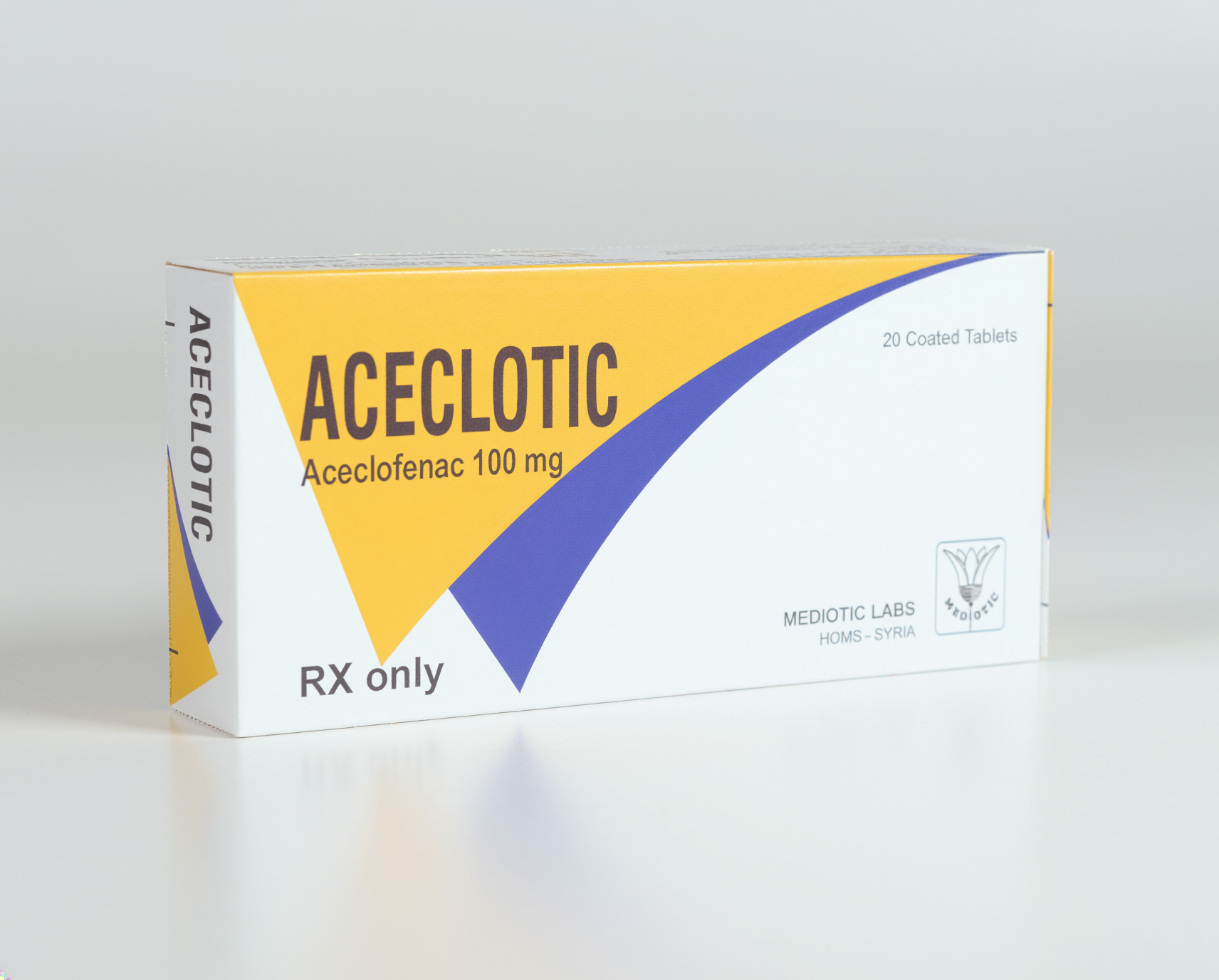
ACECLOTIC

Each coated tablet contains 100 mg Aceclofenac.

Properties:

Aceclofenac is a new synthetic non-steroidal product which has an important anti-rheumatic, analgesic, and anti-inflammatory activity.

It inhibits the synthesis of prostaglandines, main mediators of inflammatory processes. Indications:

Aceclotic is indicated for the treatment of pain of different aetiology such as: odontalgia, post-traumatic tumefaction, lumbosciatica, myalgia, post-episiotomiae pain, post-labour pain, primary dysmenorrhoea and extra-articular rheumatism.

Due to its anti-inflammatory activity it is also indicated in chronic treatment of inflammatory cases such as: rheumatoid arthritis, ankylopietic spondylitis, arthrosis and scapulohumeral periarthritis. Contraindications:

This drug should not be taken if the patient is allergic to Aceclofenac or to drug of the same group (Diclofenac).

As with other anti-inflammatory non-steroidal agents, it is contraindicated in asthmatic patients in which Acetylsalicylic acid and other inhibitory agents of synthetase prostaglandine cause access of asthma, urticaria or acute rhinitis.

It should not be used in patients suffering from gastroduodenal ulcer in active phase. Side effects:

The reported side effects have usually been slight and transitory: epigastric pain, stomach- ache, vomiting, nausea, and sensation of fullness, occasionally skin rash, oedema, and rarely urticaria.

Occasionally may arise headache, sensation of tiredness, drowsiness or dizziness as well as an increase of nocturnal diuresis.

Precautions: 

Patients suffering from gastrointestinal troubles or with a history of peptic ulcer should be kept under close observation.

It should be used with special care in elderly patients or in patients under treatment with diuretics and/or in convalescent patients after surgical operations, as well as in patients under the effects of a severe hepatic, cardiac or renal lesion.

Warnings:

Though the present data are insufficient, it is recommended not to use this drug during pregnancy or breast-feeding.

As a measure of prudence, patients must refrain from driving or handling dangerous machinery, and must avoid situations requiring a special state of alertness.

This drug is not to be taken in children under 7 years.

Drug Interactions:

Although there are no data concerning the interactions of this drug with others, it is convenient to inform the doctor if the patient is under treatment with other medicaments, especially if they contain lithium, digoxine, anticoagulants, oral administration antidiabetics, diuretics or any other anti-pain drug.

Dosage and administration:

Treatment (number of tablets, number of intakes, and duration) should be established by the doctor.

It is important that the patient follows doctor’s instructions.

Generally, the daily dose is of two tablets (200mg/day) divided into two intakes,

1 tablet every 12 hours.

Overdose:

In case of a massive accidental intake, the patient should be treated according to symptoms, giving him medication against gastrointestinal irritation, hypotension, respiratory depression, and convulsions.

Package: 

2 blisters each one contains 10 coated tablets/carton box

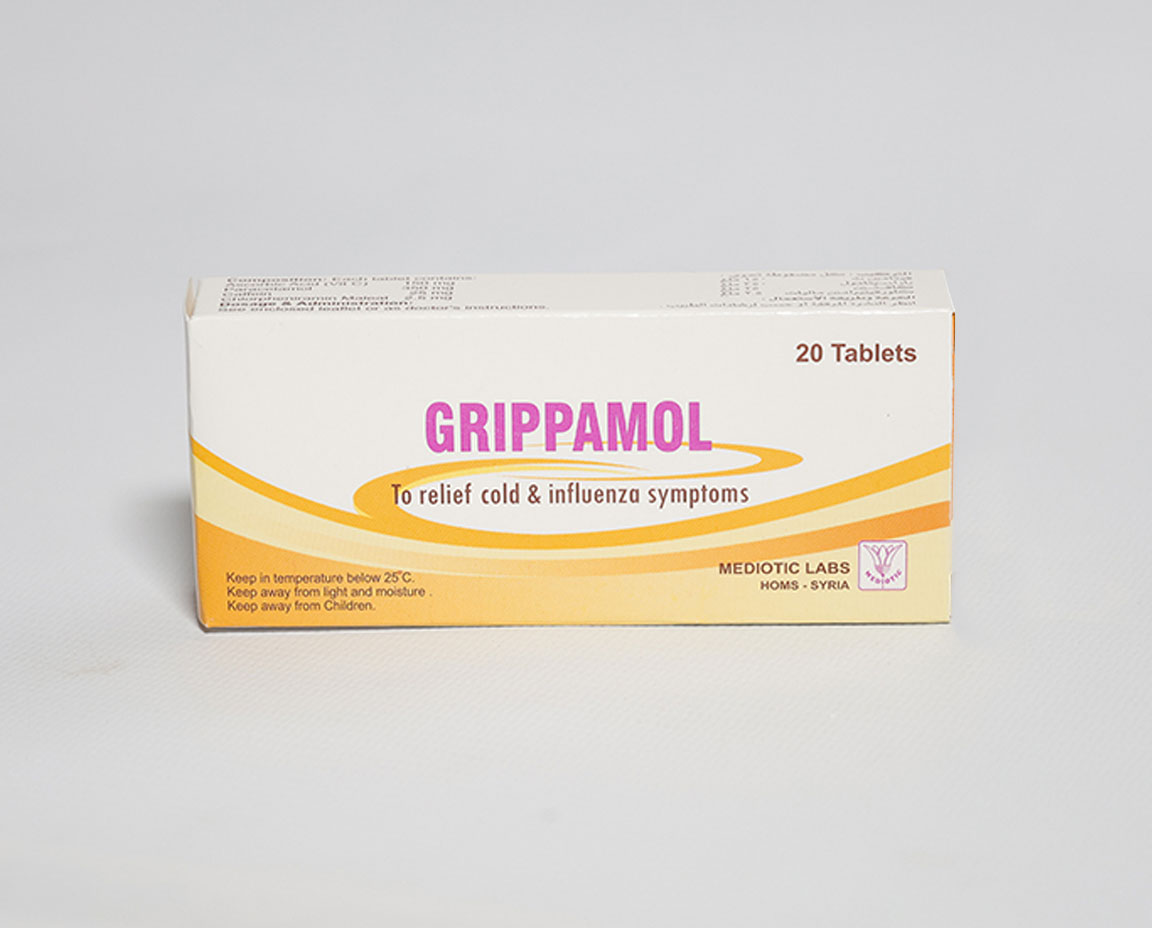
GRIPPAMOL

Composition: Tablets

Each tablet contains: Paracetamol 350 mg, Ascorbic acide (Vitamin C) 150 mg, Caffeine 25 mg, Chlorpheniramine maleate 2.5 mg.

Properties:

GRIPPAMOL exhibits a combined effect of 4 drugs.

– It has a decongestant action on the upper respiratory tract

(chlorpheniramine maleate) is an antihistamine for H1 central and peripheral receptors and an analgesic, antipyretic action (Paracetamol) therefore, it is suitable to relief the cold symptoms of upper respiratory tract.

-The combination of Vitamin C with caffeine (Centeral Nervous System stimulant) increases the muscular and mental activity.

– It is advisable to use an antibiotic in the case of a grippe associated with bacterial infection.

Indications:

GRIPPAMOL is indicated to treat the symptoms of nasal congestion and

obstruction, rhinorrhea, fever, headache, acute congestive or allergic rhinopharyngitis, rhinitis, sinusitis, pharyngitis and catarrh.

Contraindications:

– Patients allergic to any drug components.

– Severe hepatic failure.

Closed angle glaucoma.

– Patients with the risk of renal retention (urethra-prostatic problems). Children less than 5 years old.

Side effect:

Insomnia, gastrointestinal disturbances, dry mouth and frequently skin allergic reactions.

Drug interactions:

Do not take GRIPPAMOL with antihypertensive agents or CNS inhibitors. Warnings:

– Avoide driving a motor vehicle or operating heavy machinery.

– Avoide alcoholic beverages for the sedative effect of chlorpheniramine maleate might be increased.

Do not exceed the prescribed dose.

Dosage and Administration:

– Adults: treatment of acute rhinopharyngitis, rhinitis: one tablet 3 times daily. Treatment of acute grippe: 1-2 tablets 2-3 times daily.

– Children 10-15 years: 1-2 tablets daily, or as the doctor’s instructions.

Children 5-10 years: 2-1 tablet daily, or as the doctor’s instructions.

Storage:

– Keep in temperature below 25°C.

– Keep away from light and moisture.

– Keep away from Children.

Presentation: 2 blisters each one contains 10 tablets / catron box.